Apple’s long-running labor rights controversy surrounding its CEO Tim Cook has finally reached a dramatic conclusion in the United States, with the national labor board officially retracting all allegations against the executive. The case, which has lingered since 2023, stemmed from an internal email Cook sent in 2021, warning employees that leaking sensitive company information could end their careers at Apple. The memo also underscored that the company was actively pursuing those who disclosed trade secrets, a message that regulators initially said created a climate of fear and surveillance among employees.
The National Labor Relations Board (NLRB) originally claimed that Cook’s stern wording went beyond protecting trade secrets and instead infringed upon workers’ rights to communicate freely. At the time, the agency positioned the case as an important signal to other corporations that no individual or company is beyond accountability. 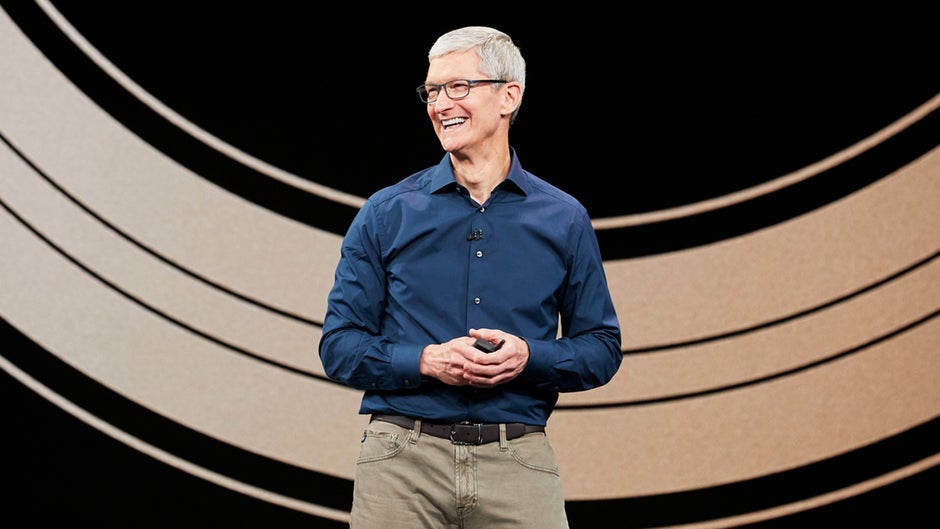
By withdrawing its claims, the NLRB has now effectively cleared Cook and Apple of wrongdoing, closing a chapter that had been closely followed by labor activists and the tech industry alike.
Not everyone sees the dismissal as a victory. Janneke Parrish, a former Apple employee who became a prominent activist after raising concerns about internal practices, criticized the decision as a step backward for worker protections. Parrish, who was terminated during the original wave of controversies, warned that the outcome might embolden large corporations to test the limits of labor laws, believing they can evade consequences. To her and many in the labor rights community, the ruling represents more than Apple’s exoneration – it reflects the systemic challenges employees face when confronting powerful global companies.
Even with the U.S. case resolved, Apple is still under scrutiny abroad. A recent investigation by the watchdog organization China Labor Watch has raised new allegations linked to the production of the upcoming iPhone 17 at Foxconn’s massive Zhengzhou facility. The report accuses Apple’s suppliers of forcing workers into exhausting overnight shifts and mandatory overtime, while also delaying wages for weeks. More troublingly, employees who resigned before their contracts ended allegedly forfeited all pending pay, effectively trapping them in their positions. The watchdog asserts that Apple representatives visited the plant and were aware of these practices, yet did not intervene.
Apple, for its part, has responded by emphasizing its commitment to ethical labor standards and pledging to investigate the claims thoroughly. The company highlighted its stated values of protecting workers’ welfare, though critics argue that Apple’s global supply chain makes enforcement inconsistent. Labor experts note that while Apple often publishes supplier responsibility reports, watchdog groups have repeatedly documented discrepancies between corporate policy and on-the-ground conditions in Asia.
As the dust settles in the United States, Apple now faces renewed pressure on the international stage. The contrasting outcomes – vindication at home, but allegations abroad – underscore the complexities of maintaining a global workforce. For employees and observers, the questions remain pressing: can multinational giants like Apple truly balance aggressive corporate secrecy, consumer expectations, and the ethical treatment of the workers who build their products?
2 comments
ngl feels like workers never win in these cases
same story every year, nothing changes