Apple has officially unveiled its new A19 Pro chipset, and the company is already boasting about performance gains of up to 250 percent compared to older generations. But as is often the case with Apple’s silicon strategy, not every iPhone model gets the same level of hardware. The iPhone Air receives a slightly cut-down version of the A19 Pro with a 5-core GPU, while the iPhone 17 Pro and iPhone 17 Pro Max pack the full 6-core graphics processor. 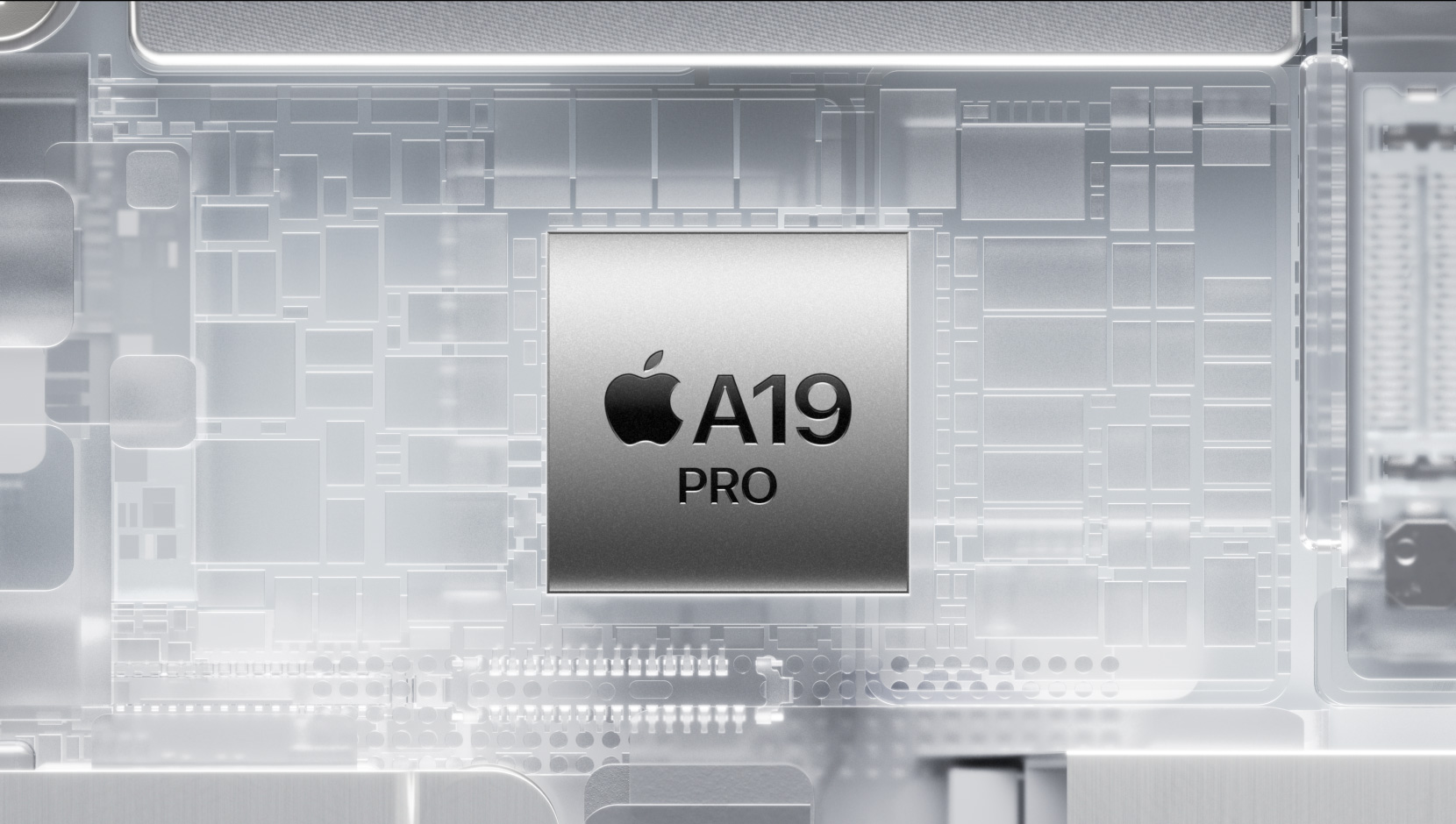
This deliberate binning means that performance differs depending on which model you purchase, even if the core CPU architecture is identical across the lineup.
Apple claims that buyers of the Pro versions will see the most dramatic leap forward, with GPU performance climbing as high as 250 percent over older devices. By comparison, the iPhone Air still delivers a hefty 220 percent graphics boost against the aging A15 Bionic inside the iPhone 13, but it falls just short of the top-tier numbers. When it comes to CPU performance, Apple is more consistent: the 6-core CPU inside both the Air and Pro models posts up to 50 percent faster speeds than the A15 Bionic, and around 20 percent faster compared to last year’s A17 Pro. This suggests that the real differentiator between Air and Pro this generation is the graphics engine, not raw CPU horsepower.
Looking at Apple’s own comparisons, the numbers tell an interesting story. Against the iPhone 13, the iPhone Air’s A19 Pro is up to 50 percent faster in CPU and 220 percent faster in GPU performance. Against the more modern iPhone 15 Pro, the same chip shows a smaller leap – 20 percent faster CPU and up to 50 percent faster GPU. The Pro models go further: the iPhone 17 Pro’s A19 Pro delivers up to 250 percent better graphics than the iPhone 13 and still manages a 30 percent edge over the iPhone 15 Pro in GPU tasks. Clearly, Apple wants its Pro devices to carry the performance crown.
However, there’s a notable omission in Apple’s presentation. The company avoided showing head-to-head results between the A19 Pro and last year’s A18 or A18 Pro. This is a familiar tactic: comparisons to older chips like the A15 or A17 create larger, more impressive percentage gains, while matching the A18 lineup would likely reveal much smaller year-over-year improvements. Still, it leaves buyers without an official benchmark against the most immediate predecessors, something enthusiasts and independent reviewers will no doubt test thoroughly once devices ship.
For everyday users, the key question remains whether such massive numbers translate into real-world benefits. Graphics improvements are striking, but unless you’re gaming at high frame rates or using GPU-heavy creative apps, the difference between 220 percent and 250 percent may be hard to notice. Commentators online have already pointed out that battery life and efficiency often matter more in daily use than raw peak performance. Some skeptics argue that for the average iPhone owner, last year’s processor already feels more than fast enough, making Apple’s binning strategy look like an incentive to upsell customers on pricier models rather than a necessity.
Even with those doubts, there’s no denying that Apple continues to push its silicon forward at a rapid pace. The A19 Pro makes the iPhone 17 Pro and iPhone 17 Pro Max some of the most powerful smartphones on the market, while the iPhone Air delivers near-Pro levels of CPU performance at a lower cost. Whether that 6-core GPU truly changes the mobile experience, or whether most buyers would prefer longer-lasting battery life instead, will become clear as the first benchmarks and real-world reviews start to surface in the weeks ahead.
5 comments
tbh my 15 Pro already feels instant, idk why I’d pay for a 17 just for 30% more gpu
ngl all this chip hype is pointless if the battery still sucks lol
So basically Apple cuts the GPU on the cheaper model to force ppl to pay more 🤔
lol they flex with big % vs old iPhones but skip A18 comparisons, sus
Would rather see 2x battery life than 2x benchmark numbers any day