Before Animal Crossing became one of Nintendo’s most beloved global franchises, its very existence outside Japan was considered nearly impossible. The idea of localizing Animal Forest – as the game was originally known in its 2001 Nintendo 64 debut – was met with skepticism, laughter, and even disbelief from Nintendo’s highest ranks. 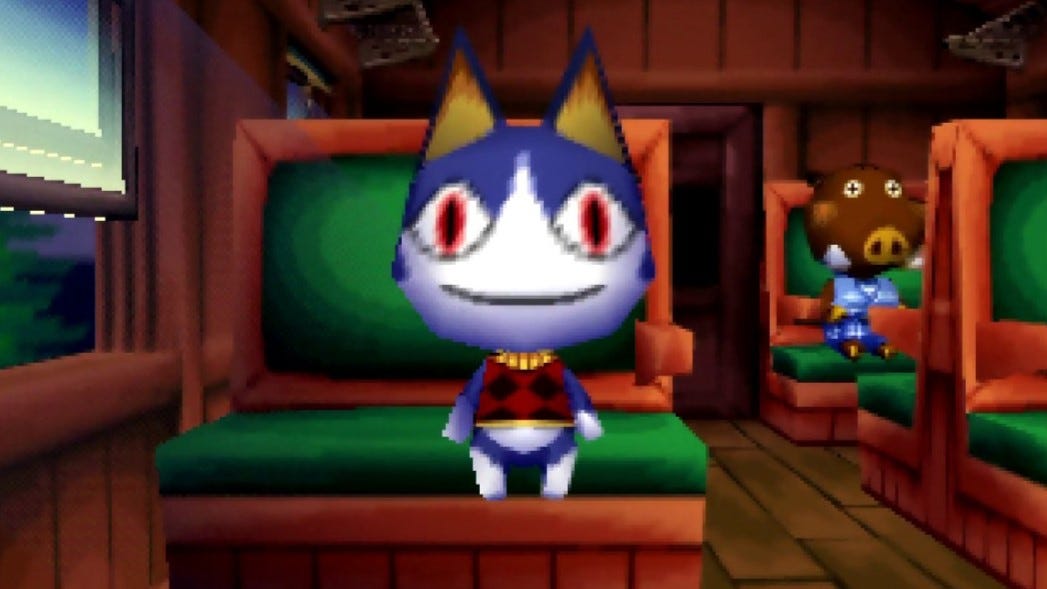
Former Nintendo president Satoru Iwata himself famously burst into laughter when told the project would move forward, convinced the task was far too complicated to succeed. Yet that daunting challenge eventually transformed into a success story that reshaped how Nintendo approached international audiences.
The problem was clear: Animal Forest was built on mountains of text and deeply rooted in Japanese traditions. Seasonal festivals, household objects, jokes, and even the smallest villager catchphrases reflected Japanese culture. For Western players unfamiliar with those traditions, many elements risked falling flat – or worse, making no sense at all. As Leslie Swann, Nintendo’s localization manager, explained, she and her team were warned repeatedly that this project was going to be unlike anything they had handled before. Renaming hundreds of characters, rewriting dialogue, rethinking holiday calendars, and adapting countless items for Western markets became their daily mission.
The project was nothing short of a marathon. Swann remembered gathering entire teams in rooms for marathon naming sessions: furniture sets one day, villagers and their quirky lines the next. Even after the creative brainstorming, every decision had to pass Nintendo’s rigorous legal clearances, since the company anticipated merchandise opportunities if the game took off. The process stretched into months of long nights, endless debates, and plenty of rejected ideas. One proposed title, Animal Acres, was a particular favorite of Swann’s, cleverly tied to the grid-based structure of towns. But like many other contenders, it was rejected before the now-iconic Animal Crossing name finally stuck.
By the time the expanded GameCube version was ready, localization had become not just translation, but a reinvention. Calendars filled with Japanese festivals gave way to globally recognized events. Everyday objects like rice cookers were weighed against more familiar Western alternatives. Villagers who once spouted Japanese proverbs now spoke in whimsical catchphrases designed for English-speaking audiences. Swann described it as a full-team effort, lucky only in that few other major projects were demanding their attention at the time. Without that flexibility, she admitted, the localization may have been impossible.
The stakes were high. Nintendo knew if this experiment succeeded, the series could grow beyond its domestic roots. If it failed, however, it would remain a niche oddity lost in translation. For Iwata, whose first reaction was laughter, the eventual success became a lesson in how much effort and creativity localization requires. What once looked absurd turned into proof that even the most Japan-centric titles could resonate globally with the right care.
The story also echoes similar doubts Nintendo had with other series, such as Fire Emblem, which was also considered too text-heavy and culture-bound to succeed abroad. Yet history shows those risks often paved the way for lasting franchises. Today, with millions of copies sold worldwide and a loyal fan base stretching across generations, Animal Crossing is a reminder of what happens when bold localization meets vision and persistence.
Players who first encountered the series during its GameCube debut recall entire households competing for turns to play, sharing the same save file in endless cycles of planting flowers, paying off mortgages, and befriending villagers. Later entries like City Folk and New Leaf each added their own spin, with customization and social elements that many still consider highlights. While New Horizons on the Switch brought unprecedented mainstream attention, some fans argue its polish came at the cost of the quirky, less sanitized charm that defined earlier games. In the end, the series’ journey from “impossible to localize” to a worldwide cultural touchstone illustrates Nintendo’s unique blend of caution, risk-taking, and ultimately, creative triumph.
And for those still nostalgic, Swann’s anecdotes remind us just how close Animal Crossing came to never leaving Japan at all. What began as a doubtful experiment, mocked with laughter by Nintendo’s own leadership, has instead grown into one of gaming’s most enduring and beloved franchises – proof that sometimes the biggest risks bring the warmest rewards.
1 comment
the og gamecube version still my fav, i’d love if they remade it one day