AMD is preparing a seismic leap in server computing with its upcoming EPYC Venice processors, built around the new SP7 socket. These chips, based on the Zen 6 architecture, are poised to push the boundaries of core counts, efficiency, and cooling requirements. 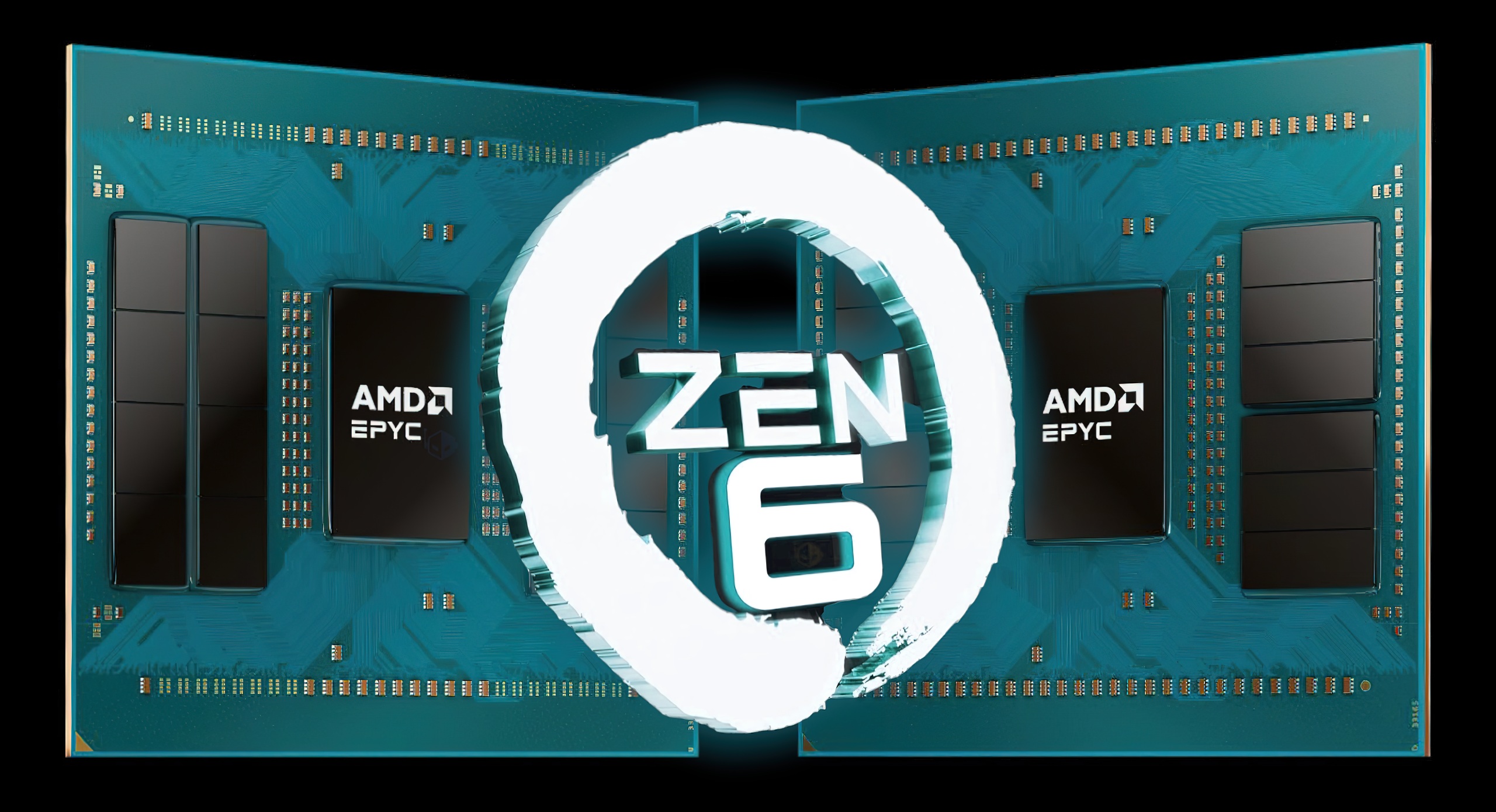
Early technical details presented at the OCP APAC Summit by Taiwan Microloops Corp shed light on what may be the most power-hungry yet performance-packed CPU platform AMD has ever attempted. The headline number is startling: up to 256 cores and power scaling that can reach a staggering 1400W.
For context, AMD’s current EPYC Turin lineup on SP5 maxes out at around 500W. Jumping to 700W at the low end and as high as 1400W represents not only a dramatic shift but also a signal of how performance-hungry next-generation workloads have become. To many observers, these numbers sound excessive, but there is nuance. With every EPYC generation, AMD has raised power limits yet delivered better performance per watt. If history repeats, Venice could once again be more efficient in practice despite its intimidating TDP range.
Cooling, unsurprisingly, becomes the decisive factor. Microloops introduced a redesigned cold plate capable of kW-class cooling, an engineering response to the thermal demands of SP7. Featuring a dual-port design (inlet and outlet), a rigid top stiffener, and six-point mounting, the plate resembles SP5 solutions but has been refined for much higher heat densities. These innovations matter: a 1400W CPU is not something that traditional air coolers or even conventional liquid coolers can handle.
The innovation race doesn’t stop there. At Hot Chips 2025, FABRIC8LABs proposed ECAM (Electrochemical Additive Manufacturing), a radical approach to cooler design. Unlike straight-channel cold plates that plateau in performance, ECAM allows intricate channel structures with up to 85% higher thermal efficiency. This could pave the way for AMD’s SP7 ecosystem to remain practical without ballooning operational costs. ECAM’s promise extends beyond CPUs, potentially revolutionizing cooling solutions for GPUs and AI accelerators, which are themselves climbing into multi-kilowatt territory.
The Venice lineup will not exist in isolation. AMD plans SP8 as a lighter-weight platform for entry-level deployments, while SP7 is tailored for bleeding-edge enterprise and hyperscale applications. In the competitive landscape, Venice will square off against Intel’s Clearwater Forest Xeon E-Core designs and Diamond Rapids Xeon P-Core CPUs. The arms race is not just about raw core counts but also about balancing performance, efficiency, and sustainability in an era where energy consumption is under scrutiny.
Industry watchers are already debating the implications. Some view the 1400W figure as symbolic of AMD’s relentless push to cement dominance over Intel, whose server share has eroded under the weight of EPYC’s efficiency gains. Others raise concerns over climate impact, since powering CPUs and GPUs that together consume several kilowatts per node still ties back to grids dominated by fossil fuels. Enthusiasts, meanwhile, joke about needing industrial-grade power supplies and nickname these chips with terms like “Fryzen” or “Grenadeon,” a mix of awe and sarcasm that reflects both admiration and anxiety.
One practical takeaway is that next-gen Threadripper derivatives could inherit some of this power philosophy. Enthusiast chips already cross the 1kW barrier under Precision Boost Overdrive, and Venice’s design philosophy hints that future workstation-class CPUs may demand equally aggressive cooling. What was once extreme overclocking territory is becoming mainstream engineering reality.
With Venice, AMD is rewriting the rules of scale-out performance. The move to SP7 underscores a future where raw compute capacity and novel cooling go hand in hand. While skeptics will argue about diminishing returns or accuse AMD of overhyping vaporware, the fact remains: the server market is evolving into a domain where kilowatt-class processors are not science fiction but an inevitable response to insatiable demand for performance in AI, data analytics, and cloud workloads.
For now, all eyes are on AMD’s official rollout in the coming year. If Venice delivers on its promise, it will not only deepen Intel’s challenges but also raise bigger questions about how far the industry can push power envelopes before efficiency, sustainability, and practicality demand a new paradigm.
2 comments
Will it still slurp less juice than a 14900KS running full tilt?? 🤔
ASRock better not mess this up again, lol their boards are sketchy af