AMD has responded to the recent bombshell announcement of the Intel-NVIDIA partnership with a tone of calm confidence, emphasizing that the company remains committed to delivering disruptive innovation for the PC and mobile markets. 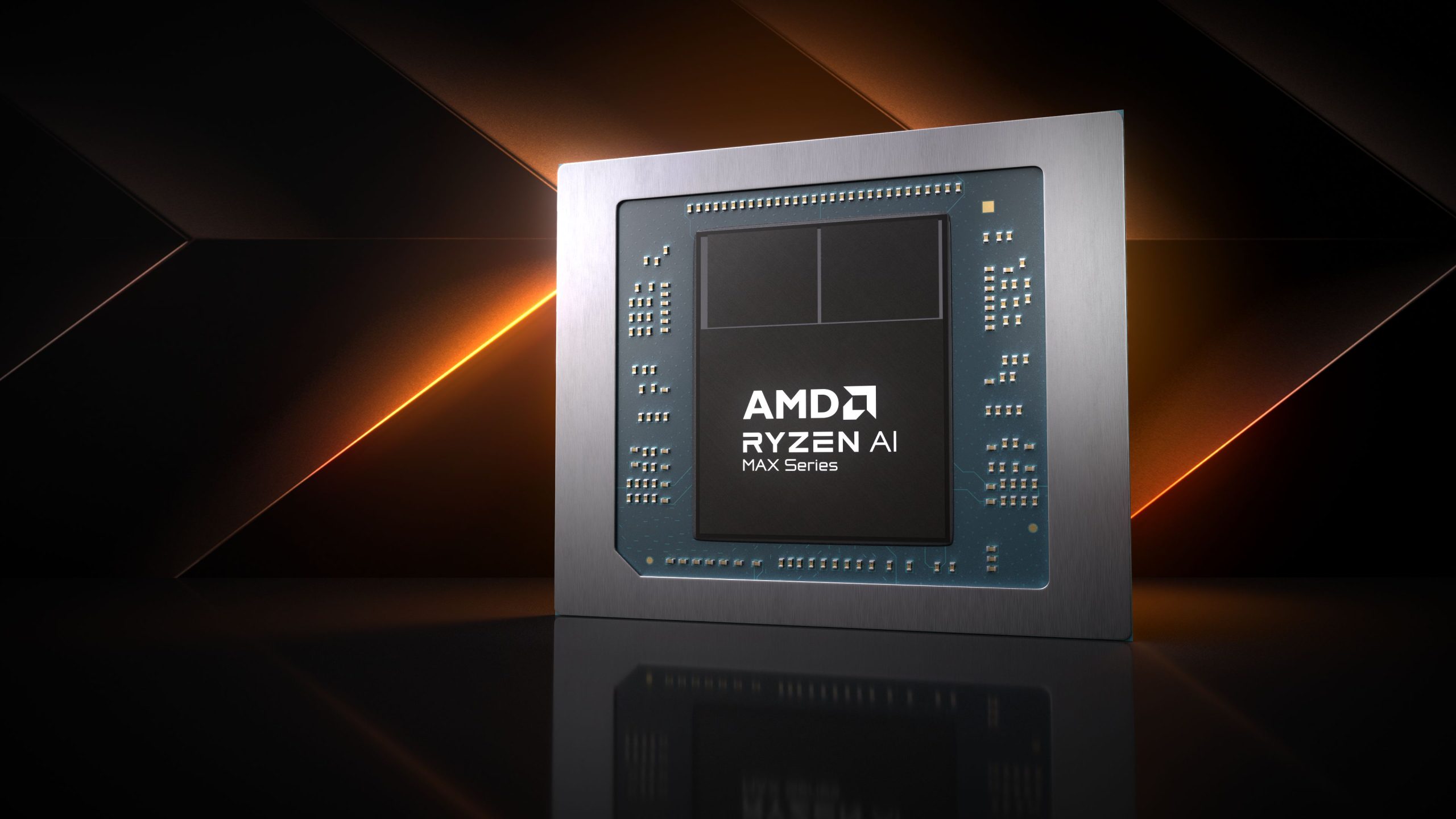
While the alliance between Intel and NVIDIA has shaken up the semiconductor landscape – promising to merge Intel’s x86 expertise with NVIDIA’s next-generation RTX 50 GPU chiplets into a single SoC – AMD insists it is not only prepared for this challenge but sees it as an opportunity to highlight its own strengths.
The Intel-NVIDIA collaboration has been framed as a potential game-changer, with projections that their joint chip could power up to 150 million laptops. Such numbers suggest NVIDIA intends to establish a dominant position in the notebook market, creating a formidable competitor to AMD’s existing APU ecosystem. Yet, despite the hype, AMD’s executive Jason Banta publicly reaffirmed the company’s confidence in its roadmap, pointing out that AMD has consistently set new standards in both power efficiency and performance for years.
Central to this confidence is AMD’s Strix Halo lineup, which has become something of a benchmark for mobile APUs. These chips have proven to be category-defining, particularly for laptops and compact systems where balancing raw power with energy efficiency is critical. With integrated XDNA AI engines, AMD has also positioned itself as a serious leader in on-device AI performance, a rapidly growing demand across notebooks, mini-PCs, and handheld devices. This focus on real-world workloads and AI integration ensures AMD’s chips are more than just about traditional CPU and GPU horsepower; they are shaping the modern computing experience itself.
Adoption rates support this confidence: OEMs from laptop integrators to handheld device makers have embraced AMD’s Ryzen AI platform. The broad ecosystem built around AMD SoCs demonstrates that the company has already secured strong partnerships and a loyal market base, even before the Intel-NVIDIA hardware hits store shelves. Rather than scramble to react, AMD appears set to double down on innovation.
Looking ahead, AMD’s roadmap includes Medusa Point APUs set to debut in 2026, followed by Gator Range in 2027, both anchored in the upcoming Zen 6 architecture. These next-gen products aim to further expand the capabilities of AMD’s APU lineup, offering both higher efficiency and more advanced AI capabilities. Meanwhile, the competition’s timeline remains unclear: Intel and NVIDIA have yet to announce when their x86-RTX hybrid will be commercially available, meaning AMD may have several product cycles to reinforce its market position before the rival chip even ships.
Ultimately, while Intel and NVIDIA’s deal underscores a new phase of competition, AMD’s message is clear: it will not be derailed. By leveraging its proven strengths in mobile computing, AI, and upcoming architectures, the company believes it can continue to disrupt the market. For consumers, this intensifying rivalry promises an exciting few years ahead, with faster, more efficient, and AI-ready systems becoming the norm rather than the exception.
2 comments
intel gonna drag nvidia down, weakest link as always lol
finally some real comp, consumers win in the end 🍿