After a messy week of patch notes, hot takes, and misunderstandings, AMD has stepped in with a clear message for owners of older Radeon cards: RDNA 1 (Radeon RX 5000) and RDNA 2 (Radeon RX 6000) aren’t being left behind. 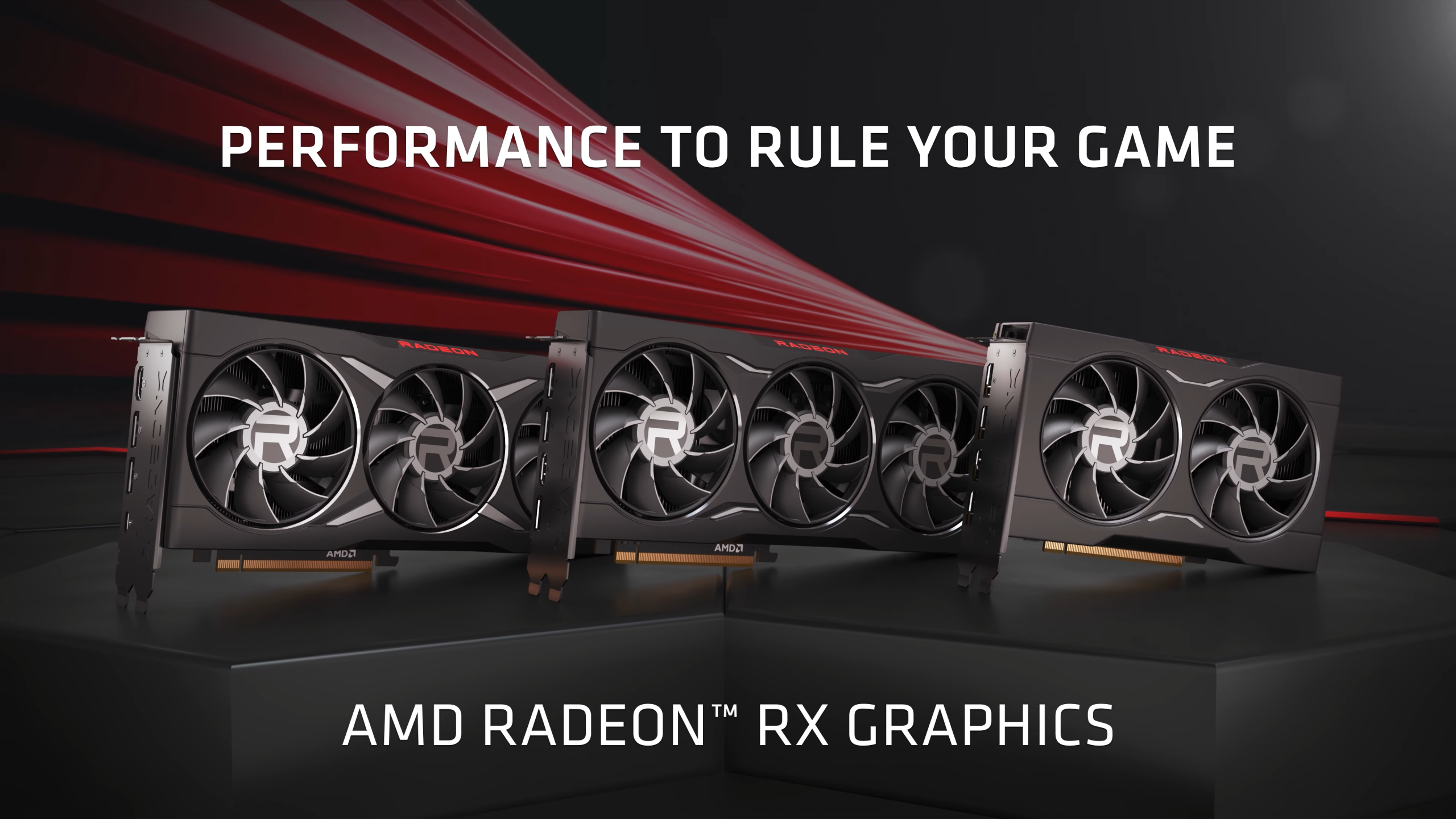
They’re just moving to a dedicated, stable driver branch that continues to receive game support, optimizations, and critical fixes.
How We Got Here
The confusion began with the release of AMD Software: Adrenalin Edition 25.10.2. In the changelog, AMD noted that RDNA 1 and RDNA 2 would shift to a separate branch – language some readers equated with end-of-life. That message landed alongside a couple of distractions: a briefly noted removal of USB-C charging support on some RX 7900 models that was subsequently reverted, and a driver package that tipped past the 1 GB mark. Against that noise, the line about a new branch for older GPUs looked ominous.
In the days that followed, AMD sent clarifications to press and community alike, but phrases like “as market needs dictate” didn’t exactly calm things down. Today’s fuller statement does. AMD says RX 5000 and RX 6000 owners will keep receiving game support for new releases, stability and performance optimizations, and security and bug fixes. The difference is architectural: those updates arrive via a dedicated, long-tuned branch rather than the same mainline code used for the newest RDNA 3 and RDNA 4 cards.
What a Dedicated Driver Branch Really Means
If you follow software development outside of GPUs, this move will feel familiar. Think of it like an LTS (long-term support) track: fewer rapid feature changes, more emphasis on predictability. AMD’s engineers can sprint on new features – FSR iterations, capture/stream tweaks, cutting-edge DX/Vulkan niceties – on the RDNA 3/4 path, without constantly re-plumbing code for architectures that shipped in 2019–2021. Meanwhile, RDNA 1/2 users get a driver tree that’s had years of tuning for popular titles, with fewer regressions and fewer “oops, broke your favorite game this week” moments.
In practical terms, here’s the expectation AMD is setting: when big games launch, RX 5000 and RX 6000 owners should still see timely day-one (or near day-one) support and per-title optimizations where they matter. When security issues appear, fixes flow. When a stability edge case is identified, it gets patched. What you may not see as often are brand-new feature rollouts that require deep architectural hooks – those will focus on RDNA 3 and RDNA 4. That split is the point of separate branches.
Why Some Gamers Still Feel Skeptical
Let’s address the elephant in the comments section. A chunk of the community reads this as PR damage control after backlash: “You’re just renaming old drivers.” Others say the entire saga was overblown – media chased clicks, creators chased thumbnails, and a routine maintenance-mode note spiraled into drama. Both reactions are understandable. AMD did itself no favors with fuzzy phrasing and a changelog that bundled multiple contentious items in one drop.
Here’s the sober take. A dedicated branch is not an end-of-support notice; but it is a recognition that architectures age. The metric that matters now isn’t semantics – it’s cadence. If RX 5000/6000 owners keep receiving optimizations for new releases and the branch lands regular bug/security updates, AMD’s approach will feel like exactly what was promised: stability without abandonment. If those updates slow to a trickle, the “maintenance mode” label will read like a euphemism. The proof will arrive with each patch cycle.
What This Means for You, Right Now
- RX 5000 & RX 6000 owners: Stay on the new dedicated branch when prompted. Expect continued per-game tuning, plus stability and security fixes. Don’t expect every flashy new feature targeted at RDNA 3/4.
- RX 7000 & RX 9000 owners: You’re on the fast-moving track. You’ll see new features first, alongside the usual round of game profiles and fixes.
- Everyone: Read release notes closely. If a game you care about drops, scan the driver highlights and resolved/known issues before updating.
About That USB-C & The Big Installer
The briefly documented removal of USB-C charging support on certain RX 7900 cards was walked back – another example of how quickly release notes can change. As for the 1 GB-plus package size, that’s the cost of supporting multiple architectures, toolchains, runtime components, and bundled features in one installer. It’s not pretty, but it’s not unusual in 2025’s PC landscape.
The Bottom Line
AMD’s clarified message is simple: RDNA 1 and RDNA 2 stay supported. The older families get a quieter, sturdier branch; the newer families get the bleeding edge. That’s a defensible strategy as long as “supported” translates into real updates when new games hit Steam, and real fixes when issues crop up. For players still rocking RX 5700 XT or RX 6800-class hardware, this is the outcome you wanted: stability without being shuffled off to a museum.
At the time AMD issued its explanation, Adrenalin 25.10.2 was the relevant release. Whether you’re on that or a subsequent package when you read this, the guidance stands: pick the branch meant for your GPU, keep an eye on the notes, and judge by results. If the dedicated RDNA 1/2 track keeps landing optimizations for the titles that matter, the controversy will fade into a footnote. If it doesn’t, you’ll know soon enough – and so will AMD.
For now, chalk this up as good news with homework attached: enjoy the stability, and keep watching the changelogs.