The Coming Ad Invasion: How Apple, Samsung, and Google Are Turning Smartphones Into Billboards
For years, smartphones symbolized freedom – sleek, powerful tools that placed the world in our hands. But recently, the winds have shifted. The very companies that made us fall in love with these devices – Apple, Samsung, and Google – now seem intent on dismantling what made them great in the first place. The culprit? Advertisements. Not the kind you can scroll past or skip after five seconds, but intrusive, persistent ads woven into the fabric of your phone’s experience.
Apple, long celebrated for its focus on user experience, has quietly begun walking down this treacherous path. A few subtle notifications and recommendations for Apple TV or Arcade seemed harmless at first. But beneath that polished exterior, the company is laying the groundwork for something much more insidious: monetizing your attention on a device you already paid a thousand dollars for. Reports of Apple Maps exploring paid placements for businesses may sound trivial now, but anyone who has watched YouTube deteriorate under the weight of ads knows where this road leads.
And then there’s Nothing – the young, rebellious brand that once promised to restore simplicity and honesty to smartphones. Its new Lock Glimpse feature, which displays content on the lock screen, has drawn widespread backlash. Officially, the company insists it’s not advertising. But let’s be real – when a company admits it’s experimenting with new monetization strategies, we all know what that means. It’s only a matter of time before a lock screen becomes a glowing billboard for products you never asked to see.
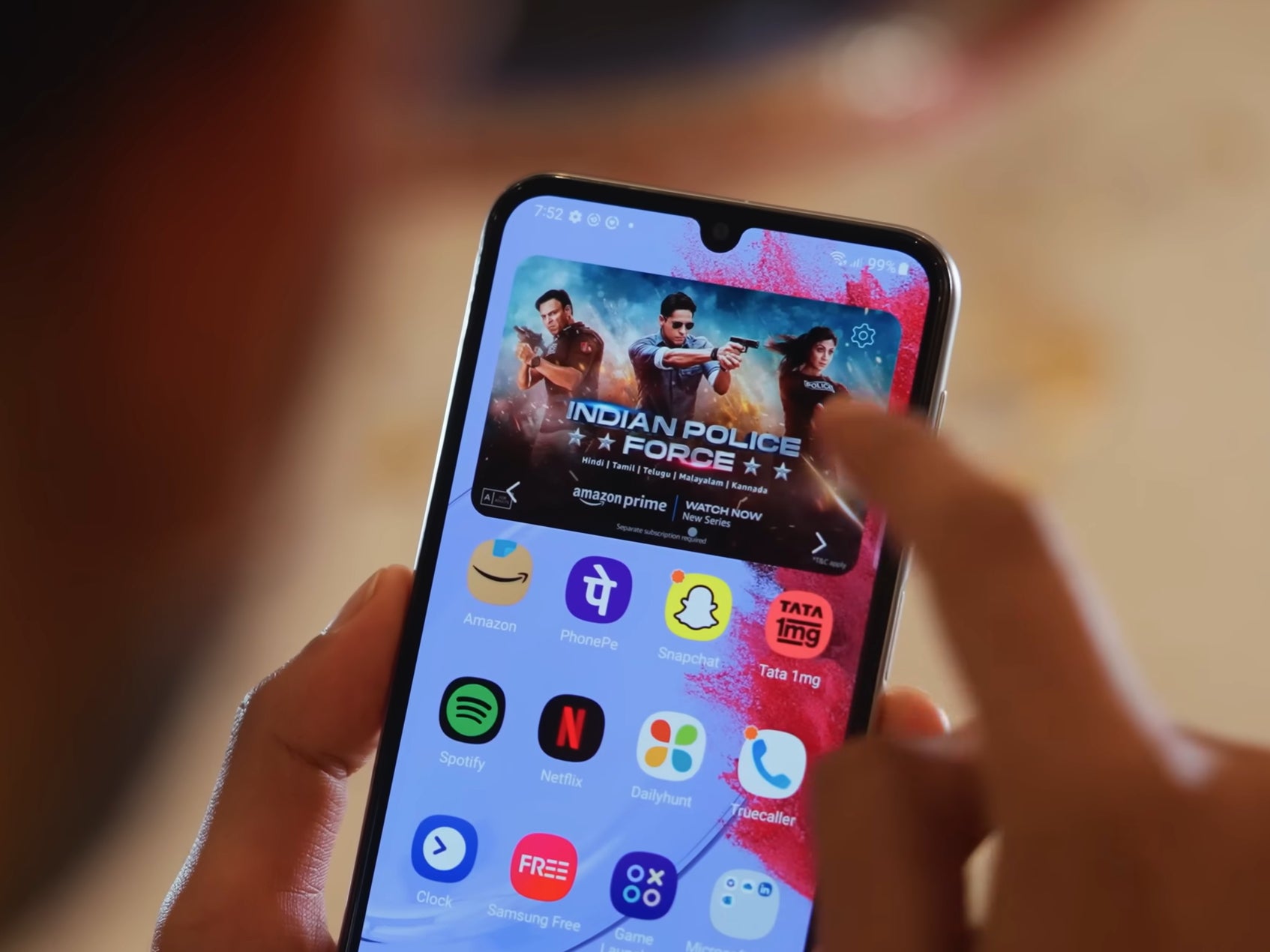
Samsung, on the other hand, has already crossed that line – especially in emerging markets. Users of budget Galaxy phones in certain regions report relentless ad bombardment, from home screen widgets to push notifications. The Galaxy M34, for instance, doesn’t just show ads – it updates them constantly, even when the screen locks and unlocks. In some cases, phones automatically download apps without consent, blurring the line between marketing and malware. Imagine paying for a phone and still feeling like a walking data target. That’s not innovation – that’s exploitation.
Apple isn’t innocent either. The company recently promoted its own F1 movie directly on users’ devices, an unsettling sign that even premium buyers are no longer safe from corporate self-promotion. It’s not hard to imagine where this could lead: what if future iPhones required you to watch a short ad before unlocking Face ID? Or if Android phones gave you a discount in exchange for agreeing to a daily dose of “sponsored recommendations”? Sounds dystopian, right? Give it ten years.
This creeping ad invasion follows a familiar formula. First, a product launches with clean design and great value. Then, the company introduces a premium tier. Over time, the free tier gets degraded – more ads, fewer features, constant nudges to upgrade. Before long, even the paid versions get fragmented into multiple levels. Remember Netflix? It started cheap and ad-free; now, users are paying triple for what used to be standard. The same could easily happen to your phone’s operating system or cloud services.
And let’s not pretend this is where it ends. If smartphone makers normalize ads, software companies will follow. Imagine ChatGPT offering “sponsored answers” or Android Auto suggesting restaurants that paid for placement. The line between technology and marketing will blur completely, and we’ll accept it because we’ve been conditioned to. Every notification will be a potential ad, every home screen widget a new opportunity for ‘monetization.’
The saddest part is how predictable it all feels. Consumers once mocked budget Chinese phones for their ad-riddled interfaces – now those same tactics are creeping into flagship devices worth over a thousand dollars. Greed is no longer disguised as innovation; it’s openly marketed as a ‘feature.’ Apple, Samsung, and Google are not struggling startups desperate for revenue. These are trillion-dollar corporations with record profits. They don’t need ads. They simply want more – more time, more clicks, more of your attention turned into data and dollars.
And yet, we’ll probably accept it. Because the cycle always ends the same way: outrage, resignation, normalization. Just as Netflix users complained and stayed, smartphone users will likely grumble and swipe away the ads – until it all feels normal. Maybe that’s the scariest part. Not that our phones are getting worse, but that we’re learning to live with it.
The smartphone revolution began as an empowering story about connection and creativity. Now, it’s turning into a tale of surveillance, manipulation, and monetization. The devices that once liberated us are slowly becoming corporate mouthpieces – and unless we push back, the screen you’re reading this on may soon be just another ad platform dressed as a phone.
1 comment
Apple putting ads in premium phones? Bro they got trillions in cash, that’s just greed lol