Type Stranger Things into Google right now and the search engine suddenly stops behaving like the sensible tool you use for work. Instead, it behaves like it has slipped through a crack in Hawkins, Indiana. 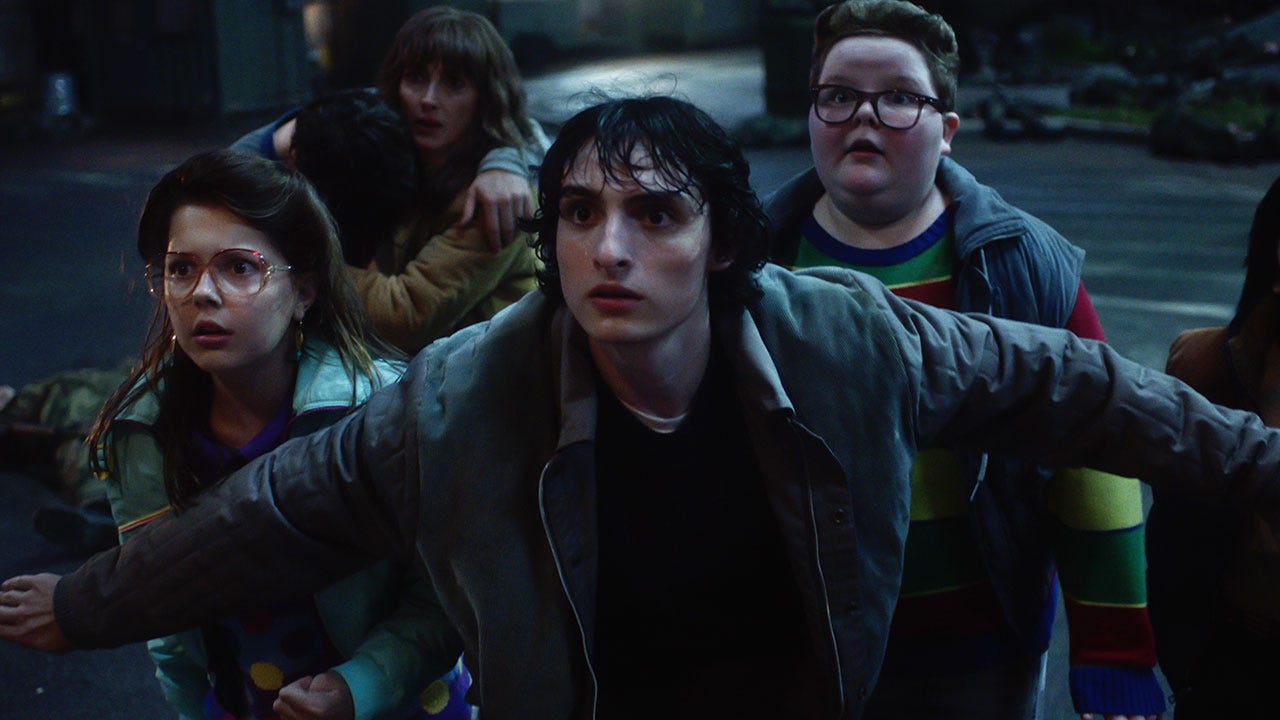
Just as the Netflix series races toward its long-awaited conclusion, Google has quietly turned its results page into a tiny interactive tribute, reminding everyone how deeply the show has seeped into online culture.
Here is how it works. After you search for Stranger Things, a small Dungeons & Dragons style polyhedral die appears at the bottom of the screen. It is a direct wink to the tabletop game that has framed the series since its very first episode. Click the die and it clatters to a roll of one, the unluckiest throw you can get at any gaming table. A heartbeat later, red lightning spiderwebs across your display, the interface flickers, and the entire list of results flips vertically. In an instant, your perfectly ordinary search page has been dragged into the Upside Down.
The effect is pure fan service, but it is executed with the kind of polish only a company the size of Google can pull off. The animation works on desktop and mobile, the interaction is simple enough that anyone can discover it, and there is just enough theatrical flair to make you want to show a friend. Plenty of fans actually stumbled on it by accident while rewatching earlier seasons ahead of the new one, then heading to Google to check cast lists or remind themselves of plot points. For them, the later wave of headlines explaining the trick felt almost comically late to the party.
At the same time, the Easter egg underlines just how far Stranger Things has come since it premiered back in 2016. What started as a nostalgic mash-up of Spielberg, Stephen King and small-town horror is now big enough that a search engine reshaping itself into the Upside Down feels natural, almost inevitable. Tech platforms, brands and even cities have learned that aligning themselves with the series guarantees attention, especially as the story barrels toward its last act.
That final chapter, Season 5, is being framed as nothing less than an all-out war for Hawkins. The latest trailer hints that the kids and their now-grown allies may be forced to venture properly into the Upside Down, not just poke at its edges. The previous season ended with the real world literally cracking open, so there is no gentle reset this time. Co-creator Ross Duffer has teased that the new episodes open in full crisis mode. Instead of easing viewers in with scenes of school corridors and mall food courts before the monsters arrive, the story hits the ground already on fire.
His brother and fellow showrunner Matt Duffer has also suggested that life in Hawkins is now under a kind of eerie occupation. Ordinary routines have been replaced by roadblocks, security checkpoints and surveillance cameras watching every move. The characters are still teenagers and young adults, but there is no such thing as normal teenage life left to fall back on. That sense of permanent emergency is exactly what makes the Google trick feel so fitting: even a harmless search query cannot escape the shadow of the Upside Down.
Netflix is leaning hard into the sense of occasion by stretching the final season across three separate drops. The first four episodes arrived over the Thanksgiving window on November 26, perfectly timed for long weekend binges. Three more episodes are scheduled for Christmas Day, turning December 25 into a return trip to Hawkins for millions of households. The series finale then lands on New Year’s Eve, available to stream on Netflix and, in a rare move for a streaming show, to watch on cinema screens nationwide the very same day. It is being treated less like a regular TV ending and more like a blockbuster farewell event.
Not every fan, however, is able to enjoy the ride without reservations. In recent months, discussions around the show have collided with real-world politics, particularly over public statements and social media activity by cast members such as Noah Schnapp and Brett Gelman regarding Israel and Gaza. Some viewers see their comments as aligning too comfortably with the Israeli government and use words like genocide to describe what is happening in the region, while others strongly reject that framing. Those arguments spill straight into fandom spaces, including under posts celebrating the Google Easter egg. For a portion of the audience, the playful digital nod to the Upside Down feels jarring when placed alongside news footage from the real world.
That tension is now a permanent part of being a fan of almost anything at scale. The bigger a show becomes, the harder it is for it to remain sealed off from politics, global crises and the public personas of its stars. The Google Easter egg captures this strange moment perfectly: a search page literally turned upside down for a fictional apocalypse, in a time when many people feel like the real world is upside down enough already. Whether you roll the die with pure excitement or with a mix of nostalgia and unease, it is undeniable proof that Stranger Things has become more than a series. It is a shared reference point for how we talk about the internet, about pop culture, and about the uneasy line between escaping from reality and staring straight at it.
1 comment
Tried it on my work laptop and the whole screen just YEETED into the Upside Down, almost had a heart attack in the middle of a meeting 💀