PC builders have barely recovered from the last wave of GPU and SSD price spikes, and now another blow may be landing: AMD is reportedly preparing to raise prices on both its latest Ryzen 9000 CPUs and several older processors. 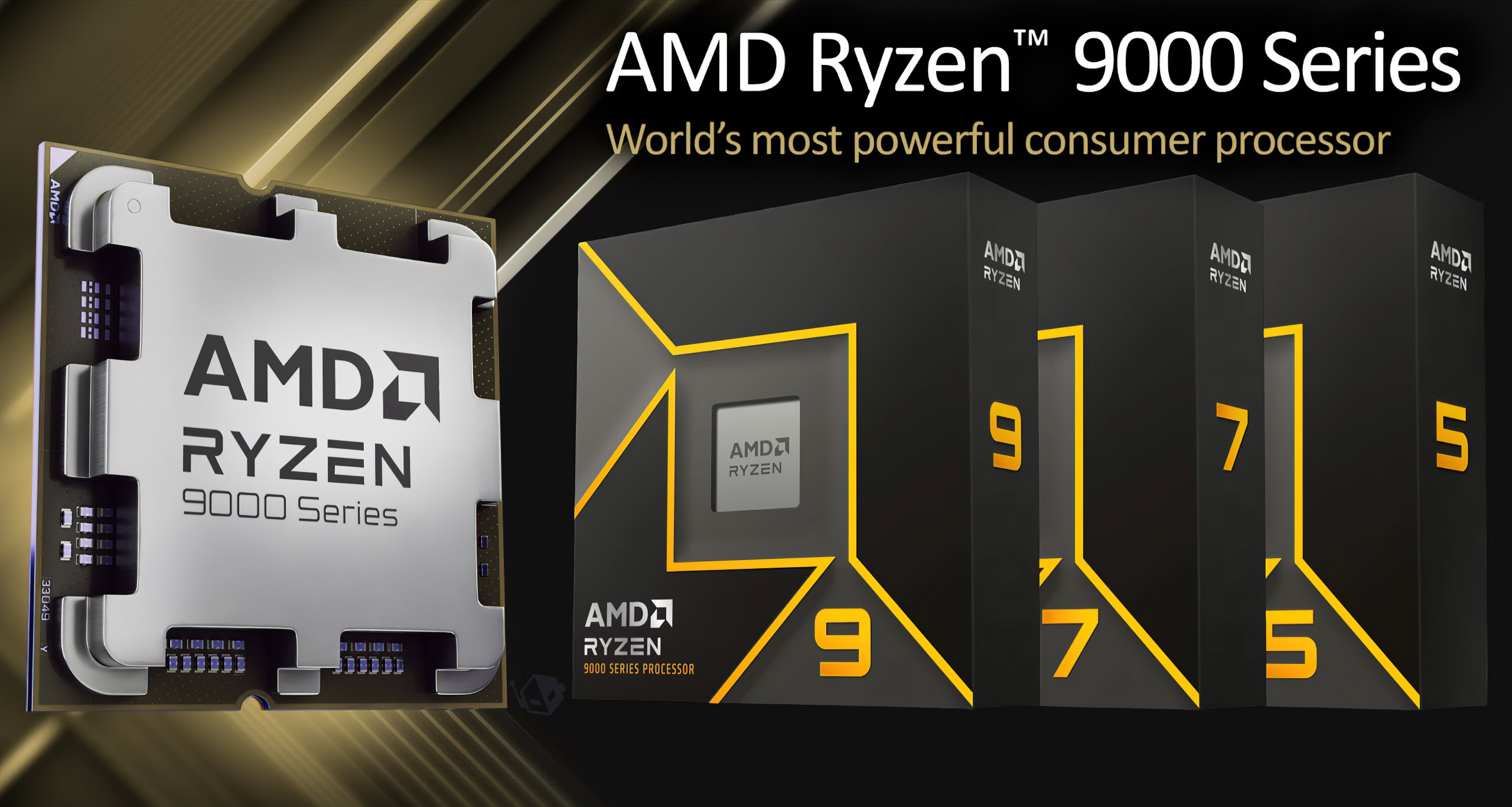
If the information from industry sources is accurate, the days of relatively affordable Zen 5 chips could be numbered.
According to a report circulated by Overclock3D, AMD has informed its board partners and retail allies that a new round of price increases is coming across multiple product lines. We already knew about a roughly 10% hike on Radeon graphics cards – including the new Radeon RX 9000 series based on the RDNA 4 architecture – driven largely by soaring DRAM costs such as GDDR6. Now, the same document trail suggests that Ryzen desktop processors are being swept into the same pricing storm.
The frustrating part for many enthusiasts is that CPUs themselves do not carry onboard DRAM or NAND chips in the way modern graphics cards do, so a direct link to memory pricing is harder to justify. Instead, analysts point to a different bottleneck: wafer supply. As the AI boom accelerates, hyperscalers are ordering ever more advanced chips for data centers, competing directly with consumer products for limited 5 nm and 4 nm capacity at foundries like TSMC. In practice, that can mean AI accelerators and data-center silicon get priority, while consumer Ryzen and Radeon shipments must either pay more for the same wafers or accept tighter allocations.
Behind the scenes, memory vendors have already signaled that they are chasing long-term profitability rather than short-term volume, deliberately managing output to keep DRAM and NAND prices elevated. Combine that with foundries that know demand is red-hot and you get a perfect environment for across-the-board component hikes – even on parts, like CPUs, that are not directly tied to GDDR6.
Overclock3D’s sources claim that AMD has given partners a very specific window: the new CPU prices are expected to take effect at midnight UK time, leaving a narrow opportunity for buyers to grab current stock at today’s lower levels. The reported increases will not only touch the fresh Ryzen 9000 family, based on the Zen 5 architecture, but also a range of previous-generation chips that have been popular for price-conscious gaming rigs.
That stings because Ryzen 9000 has, until now, been positioned as a performance-per-dollar bright spot in a gloomy PC hardware market. Flagship gaming chips such as the Ryzen 7 9800X3D have already been spotted at aggressive in-store promos – around $399 at US retailers like Microcenter – making them an easy recommendation for anyone building a high-refresh 1440p or 4K gaming system. If the rumored hike lands, those “hero” deals may vanish overnight, turning what looked like a rare win for gamers into yet another story of moving goalposts.
Unsurprisingly, the mood in enthusiast circles is souring fast. Some long-time AMD fans joke that it might be time to “punish” the red team and switch to upcoming Intel platforms like Arrow Lake instead. Others worry that once one major player successfully pushes prices upward, the other will quietly follow, leaving no genuinely affordable high-end platform at all. There is also a lingering sense of déjà vu: builders still remember stock dry-ups on popular CPUs ahead of new launches, which fed the perception that pricing and availability were being massaged to make next-gen parts look more attractive.
The backlash is not just about a single percentage figure on a spec sheet; it is about fatigue. Over the last few years, gamers have watched GPU MSRPs balloon, DRAM and SSD prices whip-saw, and “mid-range” builds creep closer to what used to be high-end budgets. For late adopters who waited patiently for Zen 5 and RDNA 4 to deliver sane pricing, a last-minute increase feels like the industry is laughing in their face.
In fairness, AMD is far from the only company trapped in the economics of the AI gold rush. Every major chip designer is wrestling with the same wafer constraints and the same pressure from investors to protect margins. But optics matter. AMD has spent years cultivating an image as the gamer-friendly underdog, the company that undercut Intel on CPUs and Nvidia on GPUs. A move that pushes Ryzen and Radeon out of reach for many mainstream builders cuts directly against that narrative.
If the reported midnight switch-over goes ahead, the short-term advice is brutally simple: if you were already planning a Ryzen 9000 or discounted older-gen build and can still find stock at current prices, delay may cost you real money. Longer term, though, the situation raises bigger questions about how sustainable enthusiast PC building is in an era where AI, not gaming, decides which chips get made and how much they cost.