Samsung’s Galaxy Z TriFold is not just another bendy phone; it is the device where a decade of experiments with foldables finally collide in one ambitious, three-panel slab of glass and metal. Instead of a single book-like fold, the TriFold wraps around two titanium hinges so it can compress into a surprisingly compact bar and then unfold into an almost tablet-like canvas. Some early concept fans imagined exotic tri-fold layouts with extra screen notches on the sides so you could always keep the main display and primary camera facing whatever you are looking at, but Samsung chose a cleaner triple-panel design that favors rigidity and simpler ergonomics over flashy cutouts. 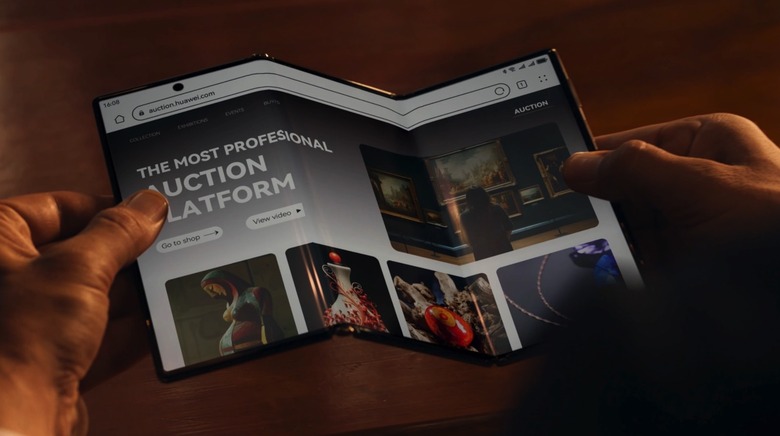
It is a bold answer to a question many enthusiasts have been asking for years: how far can foldable design really go before it stops being practical?
The journey of each unit starts with the hinge block, built from titanium and split into two Armor FlexHinges. These components are machined with tight tolerances, then assembled by robots that repeat the same movements with more consistency than any human could. Once the frame and hinges are in place, Samsung lays down the ultra-thin flexible display and uses 3D laser scanning to check for microscopic imperfections, from tiny bubbles in the adhesive to minuscule misalignments that might later turn into creases or light leaks.
Of course, the biggest fear people still have about foldables is durability. To address that, Samsung makes the Z TriFold run a 200,000-cycle folding test, roughly equal to one hundred opens and closes every day for five years. The test rig bends and unbends the device at different angles and speeds, mimicking real habits from nervous fidgeting to heavy multitasking. Inside the lab, the phone also goes through a high-speed CT scan so engineers can examine the flexible printed circuit board and other moving parts in motion, checking that there are no stress points or gaps that could become failures after months of use.
Optics get their own moment on the line. Each camera module is aligned and then pushed through a sharpness and color accuracy test so that photos stay crisp whether you are using the TriFold folded like a classic phone or fully open as a mini camera rig. After that, a so-called real-world scenario test runs through network stability, battery behavior, display brightness shifts and thermal changes, bombarding the phone with changing conditions that resemble airports, subways and hot summer sidewalks.
Water remains the sworn enemy of moving parts, so Samsung finishes with IPX8 water-resistance trials. Jets of water hit the TriFold from different directions while it is folded, half-folded and fully open, stressing seals around the hinges and the flexible screen edges. It is not designed for diving sessions, but surviving accidental drops in a sink or getting caught in heavy rain is now table stakes for a premium foldable.
Not everyone is ready to be impressed. Some power users argue that a triple fold is overkill when a regular bar phone plus a good camera will do, or point to rivals like Huawei’s Mate XT Ultimate as delivering a cleaner look. Others still worry about fragile screens, visible creases and camera hardware that feels too familiar for the price. Yet whether you love the idea or roll your eyes at it, the painstaking assembly and brutal testing behind the Galaxy Z TriFold show one thing very clearly: Samsung is betting that the future of the smartphone is not flat, and it is prepared to work hard to convince skeptics that this complex machine can be trusted as an everyday companion.