Netflix quietly cripples casting to modern TVs, leaving only old Chromecasts untouched
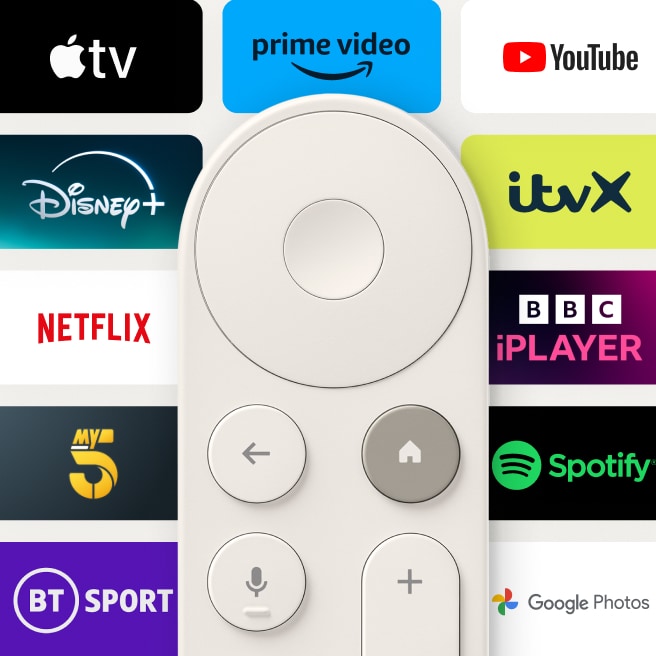
Netflix has silently rolled out a change that many subscribers only noticed when their usual movie night setup suddenly stopped working. Casting from a phone or tablet to the TV now fails on most modern streaming devices with a remote control, such as Google TV streamer boxes and newer Chromecast models with remotes. In a twist that feels almost absurd, the only devices still happily accepting casts are the older Chromecast dongles that never shipped with a remote at all.
On paper, nothing else has changed. You still see the familiar cast icon in the Netflix app on your phone, but when you try to connect to a Google TV streamer or a Chromecast with Google TV, you are blocked. Switch to an old puck-style Chromecast without a remote and everything works like it always did. The pattern is too precise to be a bug: if the streaming device has its own remote and full app interface, Netflix casting from mobile is effectively disabled; if it is the classic receiver-only Chromecast, casting is allowed.
What actually changed for Netflix casting?
Until now, many people used their phone as the brains of the operation. You open Netflix on your Android or iOS device, tap the cast icon, and the content plays on the TV, while the phone serves as a remote and second screen. This workflow was especially popular with dongles plugged into hotel TVs, secondary rooms in the house, or older screens without a smart interface. After the recent change, that casting flow is interrupted on most new TV streamers. Netflix would obviously prefer that you open the native Netflix app on the Google TV or other streamer and sign in directly there.
Functionally, this means your TV or streaming stick can no longer behave like a simple receiver for a Netflix stream initiated on your phone. It is forced to become a full-fledged client device in its own right, which comes with one crucial consequence: it now counts as a separate device on your Netflix account.
The likely motive: tighter device limits and pricier plans
Netflix has not provided a detailed technical explanation, beyond the vague statement that the change is meant to “improve the customer experience”. For a lot of subscribers, that claim lands as unintentional comedy. A far more believable explanation lines up neatly with Netflix’s existing business strategy around account sharing and device limits. Today, plans are structured around how many devices can watch at the same time: a basic tier usually allows one device, standard allows two, and premium offers four concurrent streams.
Previously, casting gave users a bit of flexibility. You might watch Netflix on your TV via casting, but as far as the platform was concerned, the active stream was still tied to your phone. The TV or Chromecast was essentially an output, not a separate subscriber device. With casting disabled on newer streamers, the only way to watch on that screen is to install the Netflix app and add the TV itself as a device on your account, consuming one of your limited slots.
What makes this move especially frustrating is that casting never truly let people cheat the system. When you cast from your phone to a TV, you are still limited to a single Netflix stream at that moment. You cannot watch something different on your phone while the TV is casting; the phone is just a controller. In practice, Netflix has not closed a loophole here; it has just added friction and pushed more households toward higher, more expensive tiers if they want the same flexibility they enjoyed before.
Everyday impact: from living rooms to travel setups
For some users, navigating Netflix with a remote on a Google TV streamer is perfectly fine and may even feel more straightforward. But for many others, casting is the smoother experience: typing search queries on a phone keyboard, using profiles and settings already configured on mobile, then simply throwing the video to any screen in the house. That flow is now broken on most modern devices with remotes, even though people are paying the same monthly fee.
The change also hits frequent travelers and multi-room households particularly hard. A compact Chromecast with Google TV was an ideal companion for plugging into hotel TVs or guest rooms and quickly casting from a phone. Now you are forced to log into Netflix on each TV or streamer individually and manage those devices under tight account limits. Because the new restriction applies across all tiers, from the cheapest plan to the premium one, users naturally read it as an anti-consumer decision rather than a genuine usability improvement.
When restrictions fuel the Jack Sparrow effect
Whenever streaming platforms add new limits or remove convenient features, there is a predictable side effect: more people publicly flirt with the idea of piracy. Social feeds reacting to this Netflix change are already full of pirate flags, memes about “sailing the seven seas”, and jokes about going back to Jack Sparrow style movie nights. Many of these posts are obviously tongue-in-cheek, but the sentiment is revealing. If paying customers begin to feel nickel-and-dimed and disrespected, they are more likely to cancel subscriptions or look elsewhere, whether that means competing platforms or outright unauthorized sources.
This is the part Netflix seems to underestimate. Casting is not just a technical option buried in a menu; for some users, it is the way they watch Netflix. Taking that away on modern hardware, while leaving it alive only on aging dongles, sends a clear message about priorities: control and monetization first, convenience second.
A growing trust problem for Netflix
Seen in isolation, disabling casting to devices with remotes might look like a small tweak. But for long-time subscribers, it lands on top of password-sharing crackdowns, frequent price hikes, shrinking catalogs in certain regions, and a steady flow of small annoyances. Each new limitation chips away at the goodwill that once made Netflix feel like a friendly alternative to old-school cable.
If the company genuinely cares about improving the customer experience, there are more honest ways to do it: clearly explain what is changing and why, provide transparent device management tools, and avoid altering core behaviors without warning. Instead, Netflix has quietly made casting worse on Chromecast with Google TV and other modern streamers while insisting it is somehow better for viewers. For a lot of people, that disconnect may be the final nudge to rethink whether the red N still deserves a permanent place on their TV screen.