Samsung is facing an unusually public internal tug of war between two of its most important businesses as the global memory market swings back into boom territory. On one side sits the Device Solutions (DS) division, the semiconductor powerhouse that manufactures DRAM and NAND. On the other is the Mobile Experience (MX) division, which designs and sells Galaxy smartphones and tablets. As memory prices surge, DS is reportedly refusing to give MX the long, comfortable supply commitments it once enjoyed, even though both units operate under the same Samsung umbrella. 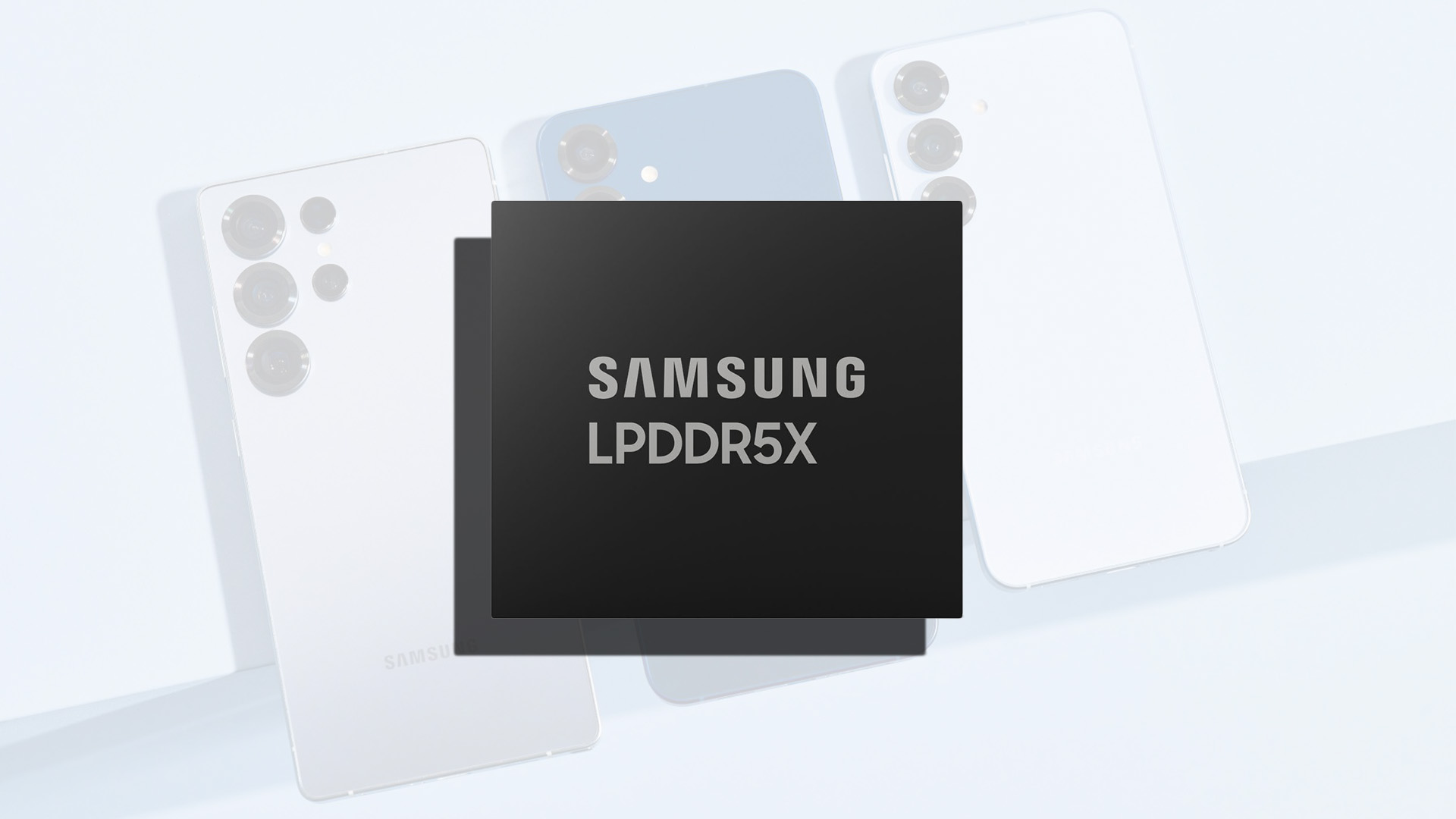
The result is a tense internal standoff that could reshape pricing for upcoming flagship phones such as the Galaxy S26.
Soaring DRAM prices change the rules of the game
After years of oversupply and discounting, DRAM has entered a sharp upcycle. Industry reports say the contract price of a 12 GB LPDDR5X package has risen from around 33 dollars at the beginning of the year to roughly 70 dollars today, more than doubling in just a few months. For consumers that might sound like a line item on a spreadsheet, but for a phone maker it is a major shock to the bill of materials. Modern flagship phones rely on fast, power efficient memory to handle high resolution displays, on device artificial intelligence workloads, and advanced camera pipelines. When the cost of that memory spikes, margins can evaporate unless someone absorbs the hit.
DS prioritizes profitability over family discounts
In the past, Samsung’s MX division could rely on a relatively predictable, long term supply agreement with DS, often stretching beyond a year. That kind of stability allowed smartphone product teams to lock in component budgets early and plan aggressive launch prices. According to Korean industry sources, that era is on pause. Instead of signing a contract that guarantees DRAM volumes for more than twelve months, DS is said to be insisting on renegotiating terms roughly every three months. MX must now return to the table each quarter to secure memory at current market rates, just like an external customer. In other words, DS is treating its in house mobile sibling less like family and more like a strategic client in a seller’s market.
High level intervention and a fragile truce
The standoff reportedly escalated enough that senior Samsung executives had to step in and mediate between the two divisions. Even with that top level involvement, the compromise reached so far is limited. MX is understood to have secured guaranteed DRAM supply only for the fourth quarter, essentially covering it until the end of the year. Beyond that point, everything is up for renegotiation. For the smartphone team, that introduces real uncertainty right when long lead items for the Galaxy S26 series must be finalized. Phone design cycles run years ahead of launch, and a flagship line depends on stable assumptions for core components such as memory and storage. Quarterly pricing talks inject volatility into that planning process and make it harder to commit to aggressive launch pricing.
The logic behind DS playing hardball
From the DS perspective, the firm is staring at what could be one of the most profitable windows in its history. Analysts expect Samsung’s operating profit to potentially reach around 69 billion dollars in 2026 as DRAM and NAND prices climb and yield rates on cutting edge 2 nm gate all around process technology improve. Memory shortages and tight leading edge capacity give DS leverage to push for richer margins from cloud providers, data center operators, and rival smartphone manufacturers that all need high performance memory. Samsung also wants to turn its foundry business into a consistently profitable operation by around 2027, a goal that requires disciplined allocation of wafer capacity to the highest value contracts. Saying no to a discounted internal deal with MX, even if politically awkward, can be seen as a deliberate move to maximize earnings during this favorable cycle.
What it could mean for the Galaxy S26 price tag
For everyday buyers, the most immediate question is simple: will the Galaxy S26 series cost more when it arrives, currently expected around February 2026? The risk is real. If MX has to pay closer to spot market rates for LPDDR5X and other memory configurations, the cost of each unit rises. The mobile division can respond in several ways. It might nudge base prices upward, reduce how aggressively it discounts soon after launch, or adjust the default memory tiers so that models with more RAM are pushed into higher price brackets. Even small component increases add up across a flagship design that already includes premium displays, advanced camera systems, larger batteries, and dedicated chips for on device intelligence. In a competitive landscape where buyers compare spec sheets line by line, choosing how much memory to offer at each price point becomes a delicate balancing act.
Short term pain, long term discounts
There is, however, an important nuance. Historically, Samsung’s top tier Galaxy phones tend to arrive with ambitious launch pricing and then receive noticeable discounts or promotional bundles within a few months in many markets. Carrier subsidies, trade in offers, and seasonal sales can significantly lower the effective price paid by mainstream consumers. That pattern is unlikely to disappear, even if component costs climb. The group that is most exposed to any DRAM driven increase is the early adopter crowd, the people who buy a Galaxy S26 Ultra in the first weeks of release at full price. Later buyers may still enjoy deals that offset a portion of the higher memory bill. In other words, the cost shock might be unevenly distributed over time, hitting launch enthusiasts hardest while leaving bargain hunters relatively insulated.
A signal to the wider smartphone industry
Beyond Samsung’s own lineup, this episode highlights a broader point about modern chip economics. Vertical integration is often marketed as a guarantee of cost advantages, but in practice internal suppliers like DS still have to justify their capital spending and profitability targets. When the market turns hot, even sister divisions can find themselves on the other side of a tough negotiation. Rival phone makers that lack their own memory fabs may face even steeper terms, especially if DS prioritizes the most lucrative, scale heavy contracts. For now, all eyes will be on how Samsung positions the Galaxy S26 family. Its eventual pricing will reveal how much of the memory supercycle the company passes on to consumers and how much it is willing to absorb in its quest to protect both its smartphone market share and its semiconductor profit engine.
1 comment
Early adopters always getting punished, pay full price and then 2 months later it is on sale, here we go again