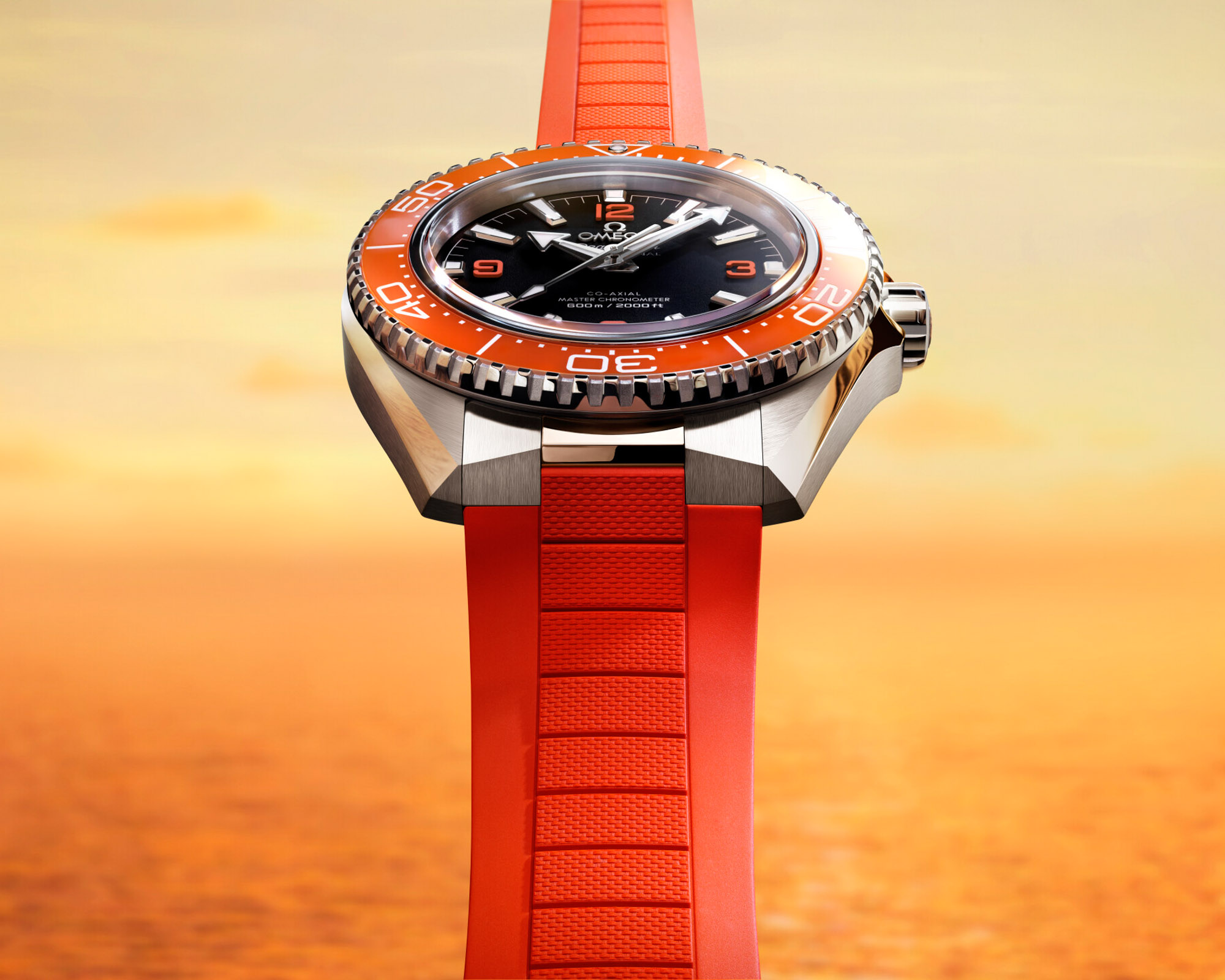
The Fourth-Generation Omega Seamaster Planet Ocean: A Bold Reinvention for a Divided Audience
For its 20th anniversary, the Omega Seamaster Planet Ocean has undergone something the Swiss watch industry rarely dares to attempt: a complete reinvention from case architecture to wrist presence. In an era when many brands disguise minor cosmetic tweaks as headline-grabbing innovation, Omega has unexpectedly taken a risk that feels almost rebellious. The fourth-generation Planet Ocean isn’t simply an iteration of the beloved diver; it’s a reimagining – one that simultaneously nods to the past, borrows from modern design languages in surprising ways, and pushes the collection into more angular, contemporary territory. And as with any bold redesign, reactions are split right down the middle.
The Planet Ocean lineage began in 2005 as the brawnier sibling of the Diver 300M, a watch that became an icon thanks in part to its cinematic ties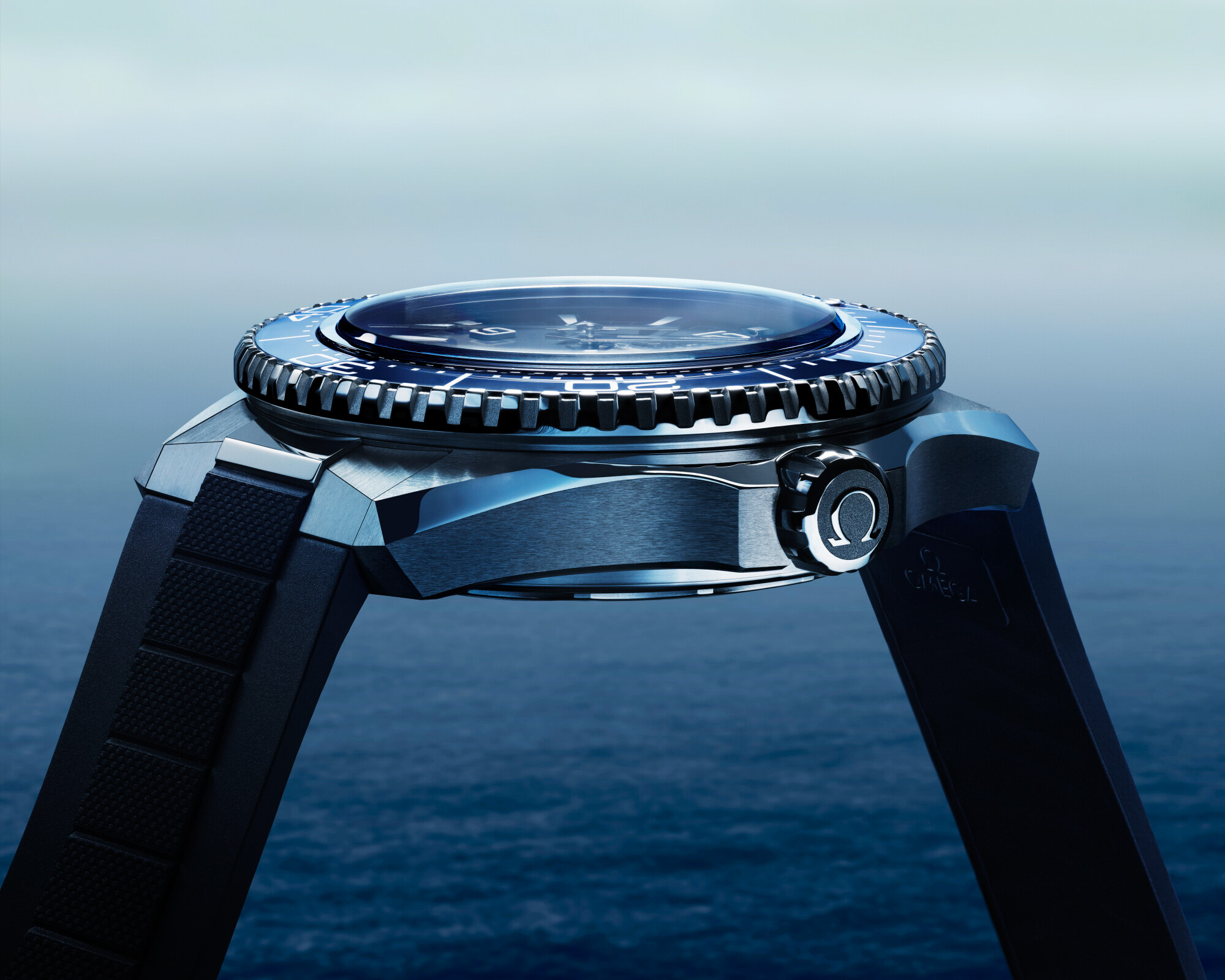
. The original PO carved out its own following – bigger, more muscular, more saturated with technical bravado. Subsequent updates in 2011 and 2016 refined the identity but stayed within Omega’s design comfort zone: lyre lugs, curvy silhouettes, sculpted bezels, and the proud helium escape valve that many considered unnecessary but distinctly Omega. Over the years, the PO developed a reputation as a diver with both legitimacy and swagger. But the 2024 redesign is something else entirely: a timestamp marking a shift in Omega’s design priorities.
The new case – a sharp departure from two decades of fluidly sculpted lines – looks like Omega spent a week studying Grand Seiko’s modern sports catalog, then decided to try its own interpretation. Gone are the signature bombé lugs, the gently twisting flanks, the familiar sense of visual weight balanced by organic curvature. Instead, the fourth-generation PO adopts a geometric stiffness that some collectors see as contemporary, others as jarringly derivative. The facets are more pronounced than anything previously offered in the Planet Ocean family, and the entire profile carries a bolder, almost industrial intentionality.
The dimensions reinforce the shift. 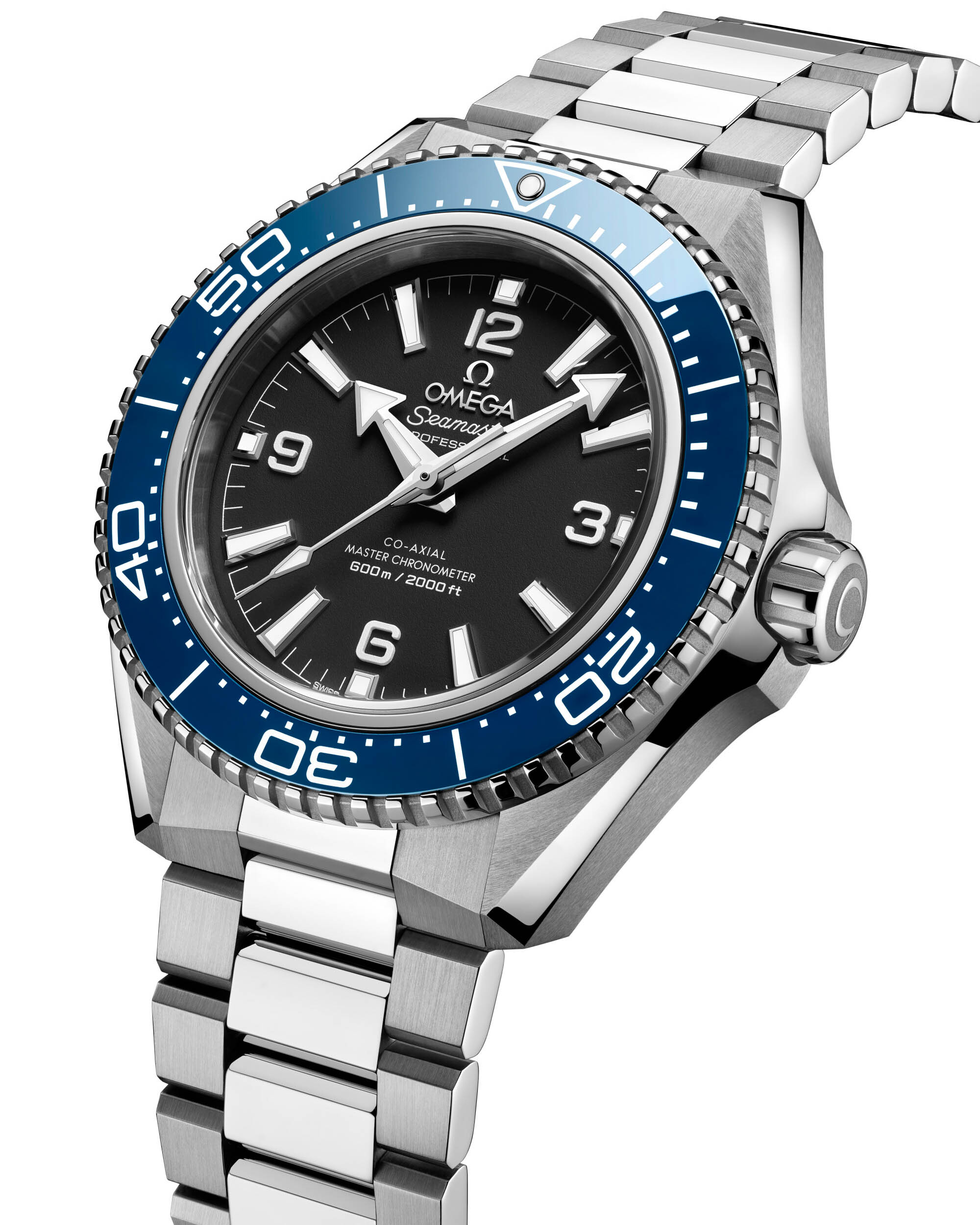
The new case measures 42mm wide and 13.79mm thick – noticeably thinner and more wearable than the outgoing 43.5mm, 16.1mm slab that many loved but few could genuinely pull off daily. Omega has shortened the lug-to-lug as well, creating a more compact footprint that should land well on more wrists, even if the new shape alters the familiar ergonomics. The bezel has been flattened and given stronger grooves for easier handling, while the ceramic insert comes in classic blue, black, or the signature Planet Ocean orange. Critically, Omega has removed the helium escape valve entirely, ending a quirky tradition and sparking both celebration and mourning among long-time fans.
Interestingly, despite the aggressive rework of the case, the dial remains largely familiar. Omega wisely preserved the iconic broad-arrow handset and trapezoidal markers. But two dial decisions have become conversation flashpoints. First: the date window is gone – a surprising move for a watch historically positioned as both a diver and a daily-wear tool. Some enthusiasts argue the cleaner dial symmetry is worth the sacrifice; others dismiss the change as function surrendered to fashion. Second: the Arabic numerals received a typographic overhaul, designed to visually echo the sharper case geometry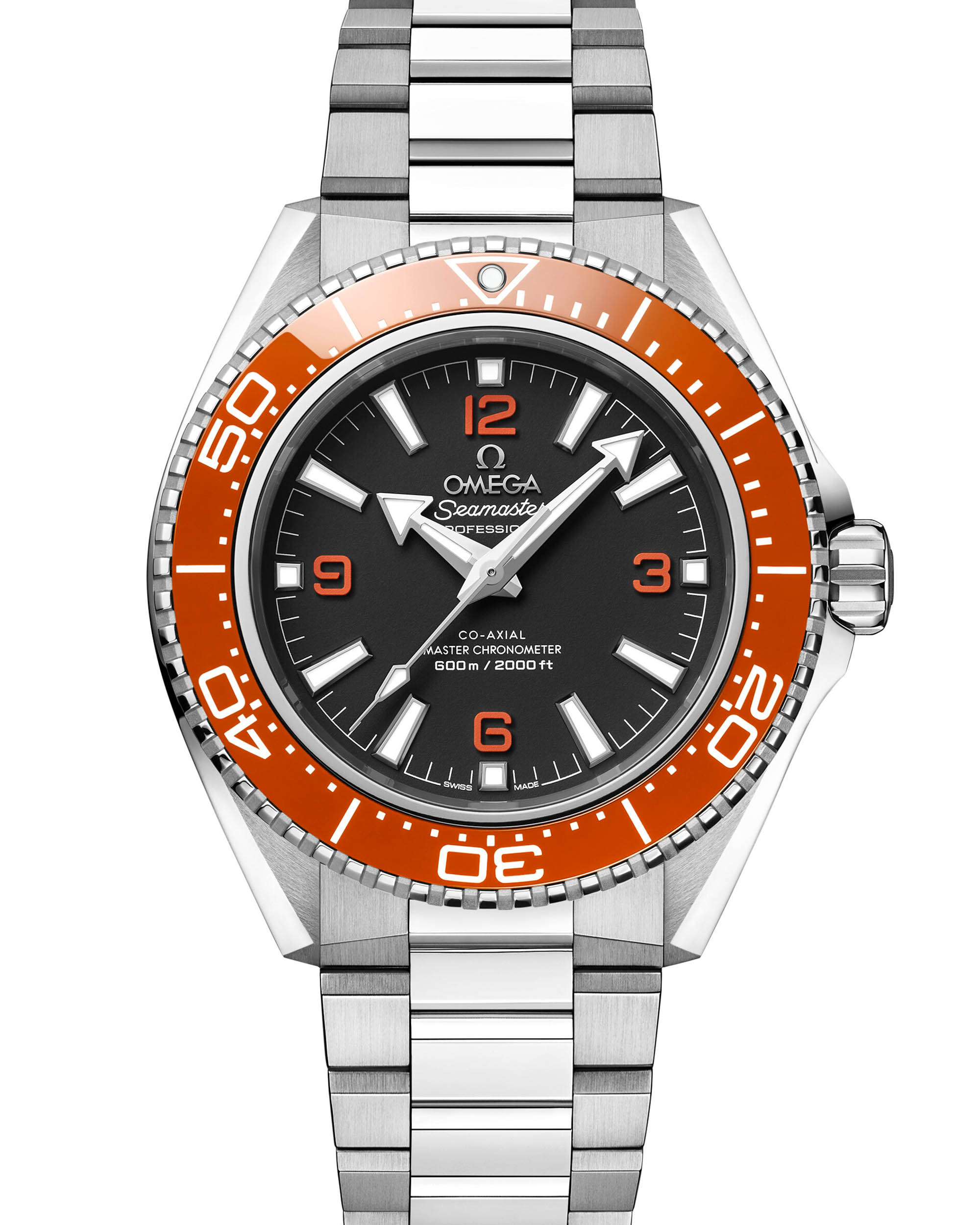
. Their color changes with the bezel option: orange for orange, white for blue, rhodium for black. The effect is subtle but modern, and it ties the dial to the case more cohesively.
Yet no component has sparked more outrage – or disappointment – than the caseback. Omega swapped its traditional engraved casebacks for a laser-etched titanium Naiad Lock design, aligned but undeniably flatter and less artistic. For many collectors, the engraved hippocampus was a hallmark of Omega’s craftsmanship – an anchor to brand heritage. The new variant feels, to some eyes, like cost-cutting disguised as modernization. Especially for a diver still boasting a serious 600m rating, the etched caseback feels like an aesthetic downgrade on a watch climbing toward $10,000 USD.
Inside, Omega opted for reliability rather than novelty. The watch continues to use the METAS-certified caliber 8912, the same movement powering the Ultra Deep and Ploprof. It’s a rugged, technically advanced engine with a silicon balance spring, 60-hour reserve thanks to twin barrels, a co-axial escapement, and the beloved independently adjustable hour hand – a feature that frequent travelers adore and consider indispensable. But it’s not new, and some expected an updated movement to accompany such a dramatic redesign.
The bracelet and strap options also reflect Omega’s new design ethos. The steel bracelet has been slimmed and reshaped to match the case angles, but the inclusion of polished center links has baffled many who consider the PO a tool diver first. Meanwhile, the new rubber straps – with steel end links that mimic integration – look modern but lack quick-release functionality. In 2024, this omission borders on shocking. Nearly every major brand, and countless microbrands, now include some variation of a tool-free swapping system. Omega’s stubborn adherence to traditional spring bars feels like a refusal to evolve where it matters most to modern buyers.
Despite the noise, the watch isn’t devoid of improvements worth celebrating. The reduced thickness dramatically enhances wearability. Crown guards now exist to protect the screw-down crown. The bezel grip is more practical. The symmetry of the dateless dial appeals to purists. Even critics admit that ergonomically, this may be the most comfortable PO yet. And while the new aesthetic feels polarizing in photos and renders, several collectors have already said they expect the watch to look significantly better in person – a recurring truth with many modern Omega releases.
Still, the broader reaction among enthusiasts reveals a deep divide. Some long-time Planet Ocean fans feel the collection has lost its identity – its sculpted charm flattened, its engraved artistry replaced, its DNA traded for something more generically “modern.” Others see the redesign as a necessary pivot, embracing trends in sharp, architectural casework that younger collectors appreciate. 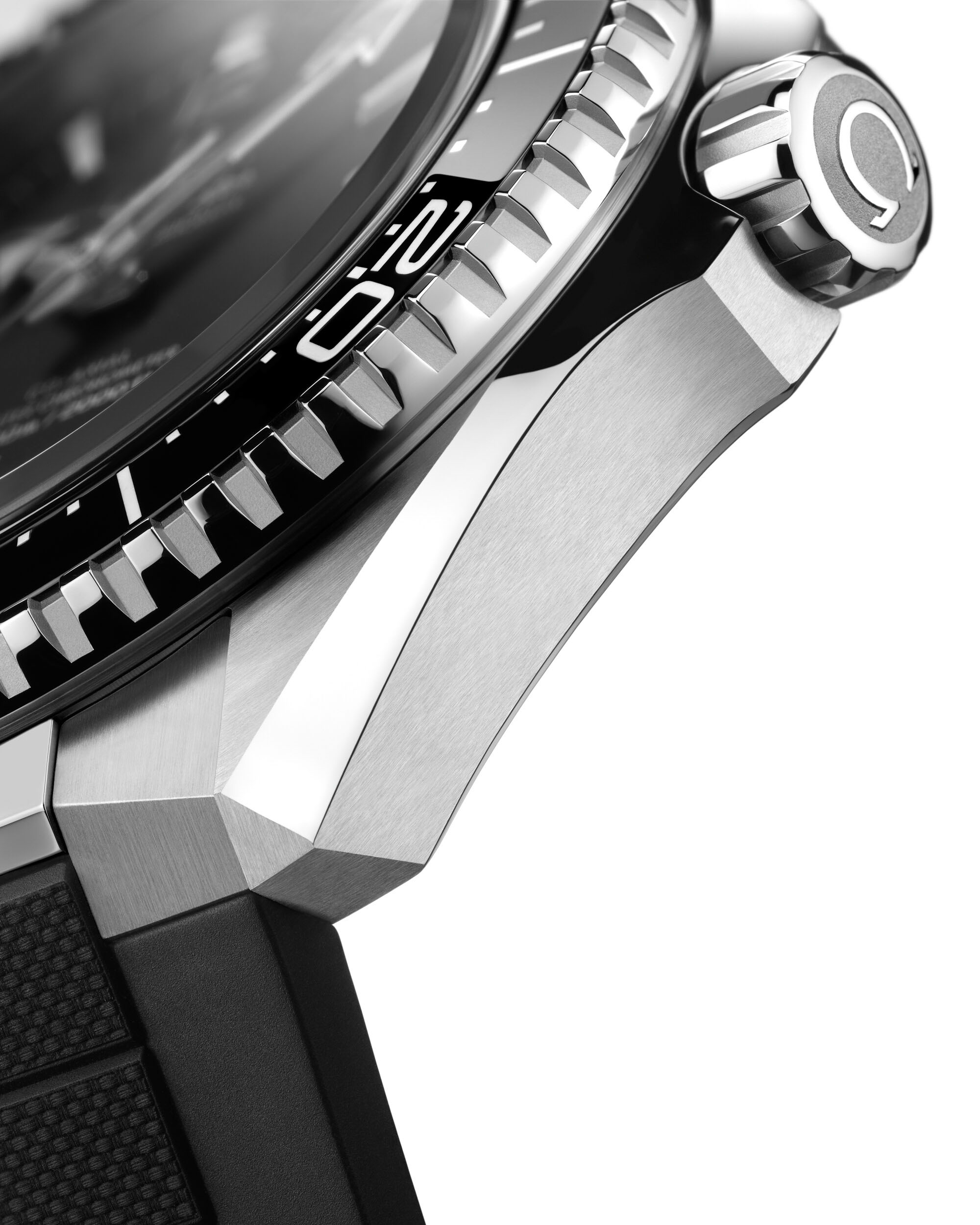
The frustration around pricing only amplifies opinions: with models ranging from $8,600 to $9,500 USD depending on strap or bracelet, buyers are increasingly vocal about value perceptions in a market where luxury watch inflation has outpaced enthusiasm.
And yet, the Planet Ocean’s story is far from complete. Omega still sells previous-generation POs, at least for now. The Ultra Deep remains untouched – and for many, remains the superior expression of modern Omega dive engineering. This fourth-generation release may be only the first step in a larger overhaul that eventually includes a new GMT, new chronographs, or perhaps even a return of the date window. What we’re seeing today is the foundation of a new chapter, not the final word.
Whether this redesign is remembered as a bold triumph or a misguided experiment will depend on time, wrist presence, and how the market responds once collectors see and try these watches in person. Omega has undeniably moved the Planet Ocean somewhere new. The question is not whether the change is big enough – it’s whether it’s the right direction.
3 comments
9k for a diver? nah I’ll just buy an older PO and service it. new prices getting crazy fr
weirdly… I kinda like the new case. the old one was too chunky for me. ditching the HE valve was a good move imo
man that caseback is just sad lol… omega used to engrave beautiful stuff, now it looks like they printed it with a 20$ laser 🤦♂️