LPDDR6 RAM, the long-anticipated next-generation mobile memory standard, appears set to debut under far more restrictive conditions than industry watchers initially hoped. 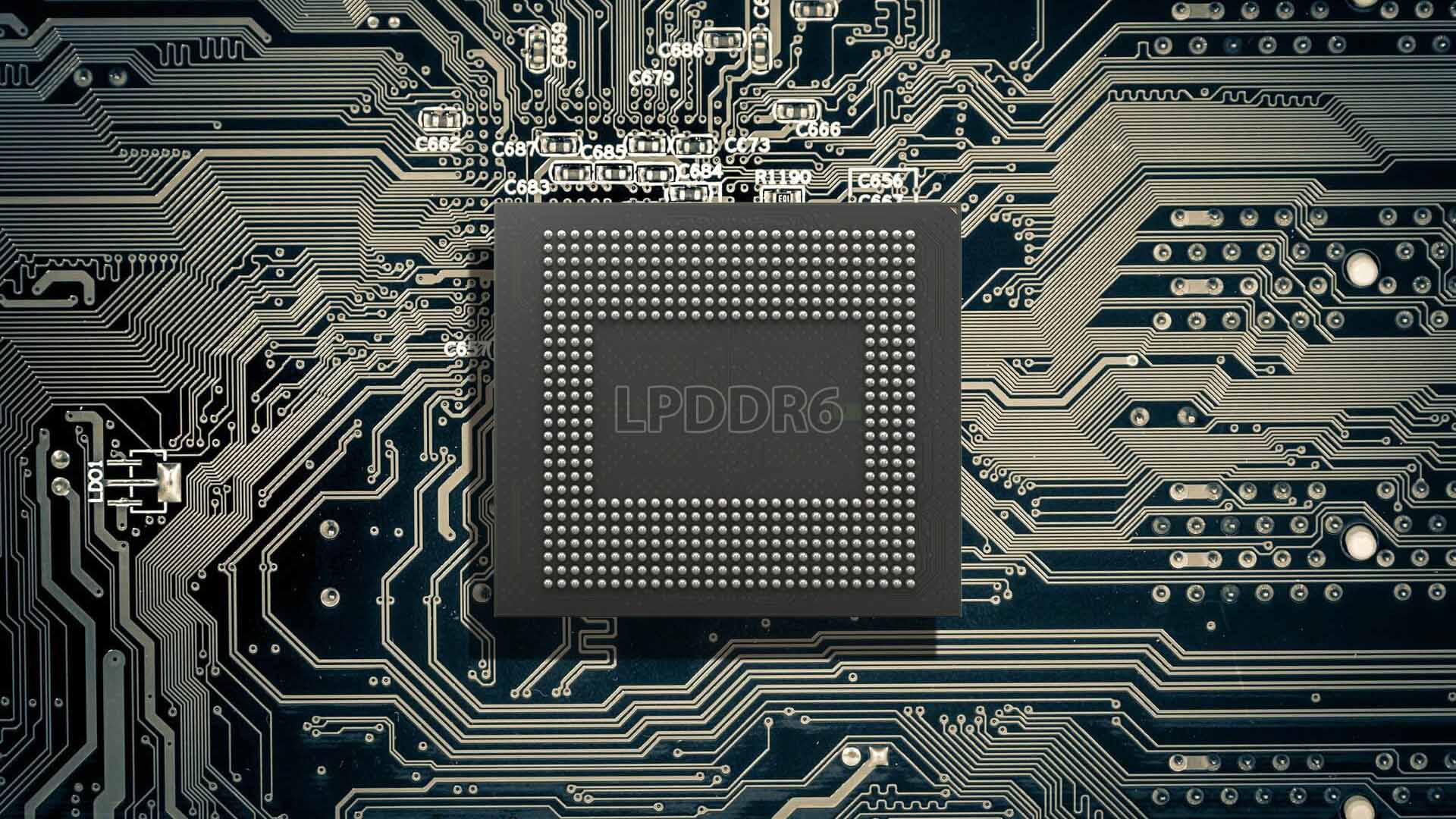
According to emerging reports from supply-chain observers, the skyrocketing cost of next-gen DRAM – paired with already aggressive wafer pricing for cutting-edge nodes – means that LPDDR6 will remain largely locked to the most elite tiers of Qualcomm’s and MediaTek’s 2026 flagship chips: the Snapdragon 8 Elite Gen 6 and Dimensity 9600.
While LPDDR6 was expected to trickle down to upper-midrange chipsets within a year of launch, a new wave of pricing forecasts suggests that manufacturers will need to tightly ration which products receive the expensive memory standard. What was once seen as a routine generational step now looks more like a luxury reserved for premium smartphone lines, especially as DRAM suppliers raise quotes ahead of large-scale production.
The rumor, originating from the well-known Weibo leaker Digital Chat Station, indicates that only the true ‘Pro-level’ silicon – such as the Snapdragon 8 Elite Gen 6 and its rumored ‘Pro’ variant – will ship with LPDDR6 next year. MediaTek’s Dimensity 9600 is expected to follow the same restrictive pattern. This aligns with early engineering samples showing expanded memory bandwidth requirements, higher clocks, and more robust GPU pipelines that can fully exploit the standard’s speed advantages.
Interestingly, the report also notes that several Chinese DRAM manufacturers are gearing up to mass-produce LPDDR6 in 2025. In theory, additional suppliers should soften pricing pressure. In practice, however, analysts warn that initial yields for a brand-new memory generation are rarely stable, and Qualcomm and MediaTek may still face steep contracts until production efficiency improves globally.
Adding complexity to the situation is the broader cost landscape of next-generation chip fabrication. Both Qualcomm and MediaTek are reportedly committed to TSMC’s advanced 2nm nodes for their flagship processors. These wafers, according to recent estimates, may cost upward of $30,000 each, representing one of the most dramatic jumps in semiconductor pricing in recent years. With wafer expenses already ballooning, adding ultra-premium DRAM on top of the BOM (bill of materials) threatens to push device prices to uncomfortable territory.
The rumor mill also hints that Qualcomm and MediaTek will adopt TSMC’s N2P architecture, a refined variant of the base 2nm N2 process. Although the performance improvement is modest – roughly 5% – both companies appear willing to absorb the extra costs in pursuit of even a slight competitive lead over Apple’s A20 and A20 Pro chips, which are expected to remain on the initial N2 node.
For consumers, the ripple effects are easy to predict. Smartphones powered by these upcoming flagships may become noticeably more expensive, not because of design flourishes or marketing tricks, but simply due to harsh economic realities of semiconductor production. Manufacturers will eventually face a difficult choice: either pass the cost onto buyers or pressure chipmakers to lower margins – neither of which is an appealing scenario.
There is, however, a glimmer of relief. Analysts expect DRAM pricing to begin normalizing around 2027. If that timeline holds, devices running the future Snapdragon 8 Elite Gen 7 or Dimensity 9700 could bring LPDDR6 benefits to a broader market at more reasonable prices. Until then, the next memory leap looks poised to remain the preserve of only the most premium – and most expensive – smartphones.
1 comment
bro these phone prices gonna be wild lol