If you have been wondering whether it is finally time to retire your Pixel 8, Google just handed you one more reason to keep it in your pocket a little longer. The company is quietly preparing a backward expansion of Pixel Studio, its playful generative AI image app, and the move does not only bring a headline feature to older hardware. 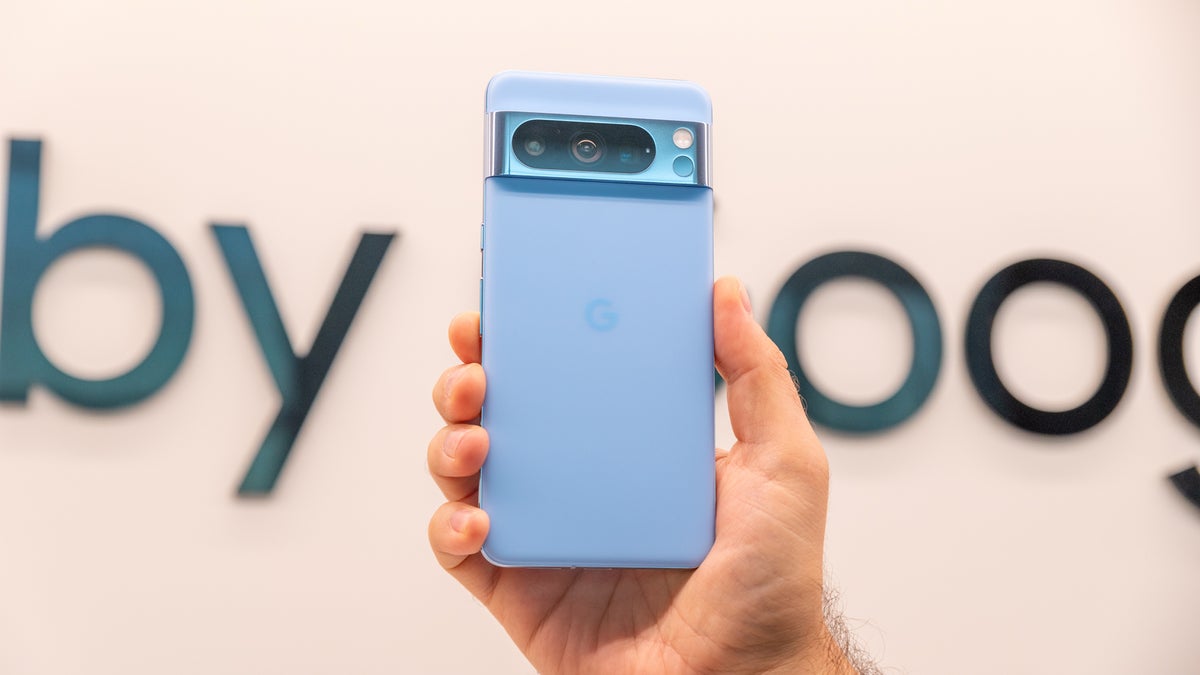
Hidden in updated support pages is mention of a brand new ‘animate image’ option that turns ordinary pictures into looping animations, giving Pixel 8 owners a creative toy that, until now, looked reserved for the newest Pixel 9 and Pixel 10 lineup.
Pixel Studio is Google's casual take on AI assisted image making. Instead of wrestling with complicated timelines or layers, you simply open the app, start from a blank canvas or a photo you already shot, and describe what you want in a few words. The system responds with generated artwork, backgrounds, stickers, or surreal mashups that fit your prompt. Up to this point, Google treated that experience as a reward for people who bought the latest generation of Pixel phones, which made 2023's flagship Pixel 8 feel strangely left out of the so called AI era, even though its hardware is still perfectly capable.
That is why a quiet tweak to the official documentation caught the attention of sharp eyed fans. Where the support text previously mentioned that Pixel Studio was available on Pixel 9 and later, it now spells out Pixel 8 and later instead. It is a single line change, but one that completely rewrites the story for owners of last year's phone. Suddenly, the Pixel 8 is not just the older sibling of the new Pixels; it is part of the same creative platform, scheduled to receive the same fun toys people have been using to flood their group chats with absurd AI generated images.
The updated documentation goes further and describes a tool that is not even live yet: an option called animate image. The flow it outlines is refreshingly simple. You open a creation inside Pixel Studio, tap the animate image button that appears alongside the usual edit controls, and then decide how you want that picture to move. You can type out your own idea, describing, for example, how a character should wave, how text should bounce, or how a background should pulse, or you can tap one of Google's suggested prompts if you are feeling lazy or just need a quick bit of motion for a meme.
Once you confirm your choice, Pixel Studio takes over and builds a short looping animation based on your prompt. At that point, you can lean into the chaos. The app lets you stack on captions, doodles, or stickers so that a throwaway snapshot becomes a reaction loop, a visual punchline, or a tiny story. When the results feel right, you can export the animation as a WebP file or an old school GIF, both of which are easy to share in chats, socials, or even drop into presentations. The whole design is tuned for speed and fun rather than precision, which is exactly what most people want when they are making something to send to friends at midnight.
Underneath all the fun is a serious shift in how Google is treating older phones. The smartphone industry has spent years training users to accept a pattern of forced obsolescence, where the software tricks you see in adverts only ever appear on the newest and most expensive hardware. AI features in particular are often used as an excuse to lock experiences to the very latest chip, with marketing language hinting that anything older is simply not smart enough. By extending Pixel Studio, and especially an eye catching feature like animate image, to the Pixel 8, Google is quietly breaking that pattern and proving that still modern hardware does not need to be abandoned after a single year.
That decision also highlights a growing gap between Google and Apple. On the iPhone side, Apple Intelligence and its own image playground are restricted to the freshest high end models such as the iPhone 15 Pro family and the new 16 series. If your device falls outside that narrow list, you are out of luck. In contrast, if Google truly pushes Pixel Studio and animate image to the standard Pixel 8, it will be backing up its AI marketing with support for a much broader slice of its user base. For people choosing between platforms, the idea that a year old Pixel can still pick up headline creative features while other ecosystems leave older phones behind is not a small point.
For everyday users, the target audience is obvious. This is made for people who like to turn jokes into pictures, who live in group chats, and who get more joy from sending the perfect sarcastic reaction than from pixel peeping camera samples. Pixel Studio already fills the gap for highly specific images that you would never find ready made, like a tennis playing vampire landlord or a birthday cake made of retro phones. Adding animate image means those weird creations do not have to stay frozen; they can wink, shake, zoom, or shimmer, which instantly makes them more shareable and more personal.
Of course, this is still Google, and the rollout looks messy in a very Google way. Right now, the support site is ahead of reality. Pixel 8 owners who search the Play Store often cannot see Pixel Studio or the promised new tools yet, creating a strange limbo where the feature is official on paper but still missing from their actual devices. On top of that, Pixel Studio and the related Pixel Screenshots experience are only available in a limited number of markets, reportedly eight countries for now. Even after the Pixel 8 update goes live, plenty of people will still be waiting on the sidelines for their region to be included.
Based on how the app behaves on newer devices, though, Pixel 8 owners should know what to expect once the switch flips. Pixel Studio is not here to replace professional software like Photoshop, nor is it meant for delicate commercial work. It is deliberately fast, loose, and a little chaotic, tuned for internet speed creativity rather than pixel perfect editing. Type a decent prompt, let the AI spit out something suitably strange, tweak it, animate it, and you have a new in joke or reaction loop in less time than it takes to open a laptop. For a lot of people that matters far more than whether the app can handle a complex multilayer composite.
When you put everything together, this backward expansion says a lot about how valuable the Pixel 8 still is. Users already have plenty of reasons to keep it, from the cameras and compact size to long term software support, battery improvements, and lower street prices compared to newer flagships. Pixel Studio and the upcoming animate image feature are not the only reasons to hang onto the device, but they do make it feel more alive, more current, and more fun in everyday use. If Google keeps treating its recent flagships this way, Pixel owners may finally start to feel that their phones grow more capable with time instead of slowly being nudged toward the recycle bin.