After almost a decade of waking us up, setting timers and answering random trivia questions, Google Assistant is finally being pushed off the main stage. 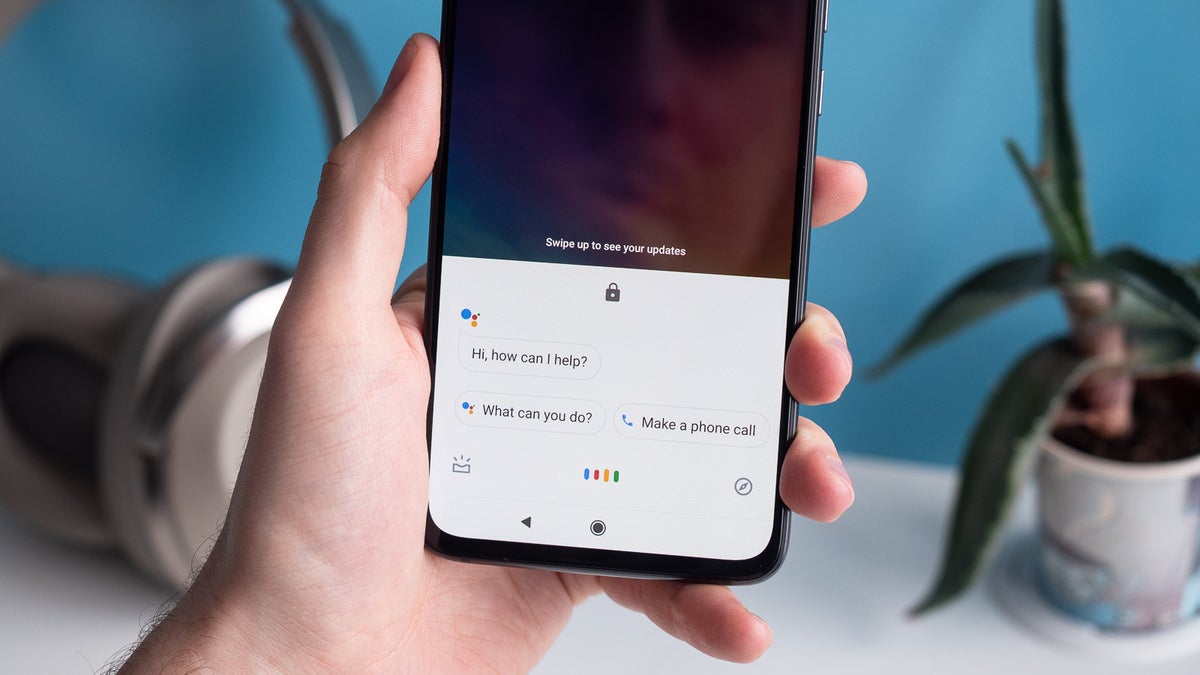
Google has now attached a clear end-of-life timeline to its once flagship voice helper, and the farewell tour is shorter than many Android fans expected. Support for the classic Assistant experience will be wound down and, after March 2026, it will effectively disappear from most places you use it today, with its everyday jobs across phones, cars, watches and smart speakers handed over to Google's new AI brain, Gemini.
For anyone who has lived in the Android ecosystem since the mid 2010s, that is a major turning point. Launched in May 2016, Google Assistant quickly became woven into almost every Google product you could touch. It arrived first on phones, then spread to Wear OS smartwatches, Nest smart speakers and displays, Android Auto in the car, and a long list of third party gadgets. The routine was simple and addictive: say the wake phrase "Hey Google" and the Assistant would pop up to set an alarm, send a message, turn on the living room lights, start a playlist or fetch a quick fact from the web. For years it defined how people spoke to their devices.
However, that original vision was built around fairly rigid voice commands. Google Assistant was brilliant at matching specific phrases to predefined actions, but that strength slowly became a limitation. The world has moved toward assistants that behave more like conversational partners and less like slightly smarter voice remotes. Modern AI helpers can keep track of context across several questions, tolerate messy or half finished prompts, and generate genuinely new content instead of just handing you a list of links or flipping a virtual switch.
Google has no intention of watching this new era of AI assistants pass it by. To keep pace with rivals such as Apple's Siri, Amazon's Alexa and a growing wave of assistants powered by large language models, the company is betting heavily on Gemini. Originally launched as Google Bard in 2023, Gemini was quickly elevated to top priority status inside the company. Within roughly a year, Google started offering it as an alternative to the legacy Assistant on many Android phones, letting users decide whether they wanted the familiar, command driven Assistant or the newer, AI first Gemini interface.
That era of choice is now on a countdown. Documentation for Android Auto spells out the future in unusually direct language: after March 2026, Google Assistant will no longer be available, and Gemini will become the only assistant on most supported mobile devices. Similar support material emphasizes that Gemini is not just an add on but a full replacement. It is designed to understand the same everyday requests as Assistant while also accepting more natural speech, following up on previous questions and tapping into the creative power of generative AI. At the same time, Google is keen to talk about controls for privacy, the protection of minors and the list of territories and languages where Gemini is officially supported.
The shift has not happened overnight. Brick by brick, Google has been dismantling parts of the old Assistant experience. Early in 2024, the company began quietly deprecating some of the niche but beloved features that once appeared in launch keynotes. Voice control for photo frames and ambient mode on smart displays, for example, was removed, along with several other small capabilities that power users had grown attached to. Google's explanation has been that these controls will either live elsewhere in the interface or be handled more flexibly by Gemini, which is being woven deeper into the Google app and the core Android experience.
In everyday use, the contrast between the two assistants becomes obvious as soon as you ask for something slightly complex. Imagine using a Pixel 10 to plan a weekend trip. With Gemini enabled, you can open the assistant, describe in a few rough sentences how long you are traveling, the budget you have in mind, the cities you want to visit and the kind of traveler you are. Within seconds, Gemini can sketch a day by day itinerary, suggest neighborhoods that match your style, propose restaurants and sights, and even give packing advice tailored to the time of year. Ask the classic Google Assistant to "plan a three day trip" and you are still very likely to hear a flat response such as "Here is what I found on the web" followed by a list of blue links you have to open and read yourself.
This richer and more generative style of help is exactly why Google feels confident pushing Gemini to the center of its ecosystem. Beyond travel planning, Gemini can summarize long emails or documents, rewrite text in a different tone, brainstorm ideas for projects, and help with tasks that were simply outside the scope of the old Assistant's fixed command set. Crucially, it can carry context through a conversation. If you ask it to shorten a draft message and then immediately add "now make it sound more friendly", Gemini understands that you are still talking about the same text, without you having to repeat or paste it again.
That does not mean the transition is painless. Gemini is still a work in progress, and many early adopters have run into rough edges, especially in homes packed with Google hardware. On Google Home devices, users have reported that Gemini sometimes struggles with very simple tasks that the classic Assistant usually nailed, such as turning particular lights on or off, recognizing the correct room, or understanding the name of a routine. The result can feel strangely backwards: the assistant that is marketed as an upgrade occasionally fails at the basics that made its predecessor feel reliable.
Part of the problem is baked into how Gemini works. Where Google Assistant relied heavily on constrained commands and carefully designed "intents", Gemini is constantly trying to interpret open ended natural language. That is the same power that lets it compose an itinerary or rewrite your email, but it also introduces new failure modes when your smart home setup is complex or your phrasing is ambiguous. Google says that reliability will improve as Gemini is tuned on real world usage, but longtime Assistant fans are understandably nervous about losing a tool that, for all its limitations, was comfortingly predictable in day to day life.
There are also bigger questions around data and trust. A generative AI like Gemini depends on vast amounts of information to perform well, and many people want clear, simple explanations of what happens to their voice queries, smart home activity and personal content. Google's support pages stress that you can manage your history, limit how data is used to train models and apply extra protections for children and teenagers, yet the optics of replacing a comparatively simple assistant with a more opaque AI system mean the company will have to earn that trust again.
For the moment, Google Assistant is still hanging on. You can continue to say "Hey Google" on your phone, your Pixel 10, your watch or your smart display, and most of the familiar behaviors will still work. But the direction of travel is crystal clear. As March 2026 approaches, more Assistant features are likely to be trimmed away, while Gemini gains deeper hooks into Android, Wear OS, Android Auto and the smart home stack. If you rely heavily on voice controls today, the smartest move is to start experimenting with Gemini, learning what it does better, where it still falls short and how it fits into your routines. One era of voice control is ending, and a new one that is more powerful, more conversational and occasionally more frustrating has already begun.
2 comments
I still get ‘something went wrong’ when I ask Gemini to open Spotify, how is this an upgrade?
RIP Hey Google, you were kinda dumb but also kinda reliable 😅