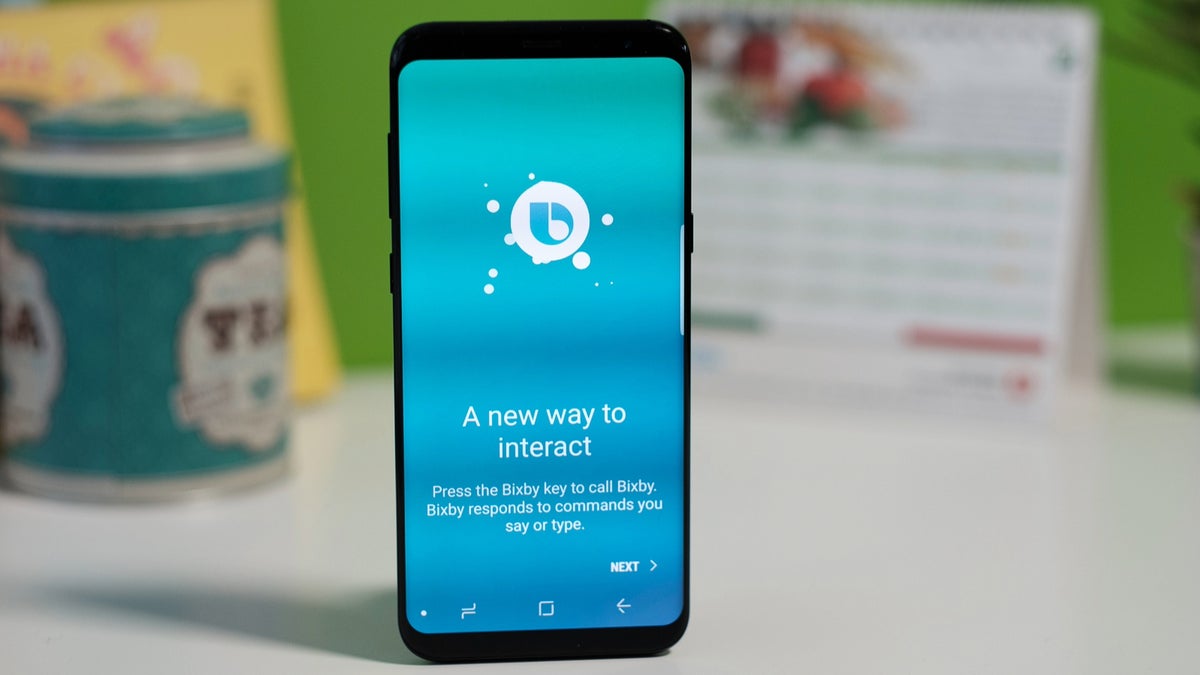
Samsung Galaxy S26 Could Turn Bixby Into a True AI Hub With Perplexity And Gemini
The Galaxy S26 family is shaping up to be much more than another yearly hardware refresh. If current reports are accurate, Samsung is preparing a bold AI strategy shift that could completely change how its phones handle everyday tasks, web searches, and creative work. Instead of quietly leaning on Google Gemini in the background, the Galaxy S26 lineup may give you something far more interesting: a choice of brains for your phone, with Bixby acting as the smart traffic controller between multiple AI partners, including Perplexity.
For years, Bixby has lived in the shadow of Google Assistant, and more recently Gemini, even on Samsung’s own flagships. It was there, pinned to the power button on older phones and buried in settings on newer ones, but rarely central to the experience. The Galaxy S26 generation could finally change that. Rumors now point to a major Bixby relaunch where Samsung’s assistant gets a fresh look, a deeper role in One UI, and a powerful new engine behind it courtesy of Perplexity.
From Single AI To A Multi-Assistant Galaxy
Samsung is no stranger to partnerships. It already works closely with Google on Android, Wear OS, and a long list of services. With recent Galaxy flagships, Samsung even pushed Gemini to the front of the stage by shipping features that arrived on Galaxy devices before they appeared on Google’s own Pixel line. That tight relationship made it easy to assume Samsung would simply standardize on Gemini as its AI backbone and call it a day.
Instead, the company appears to be moving in a very different direction. Multiple leaks now suggest that Samsung wants Galaxy S26 owners to decide which AI they prefer for different types of tasks. Rather than a one size fits all solution, you could toggle between Gemini, Perplexity, or Samsung’s in-house Gauss models for specific scenarios. That would make the S26 one of the first mainstream phones to treat AI more like a customizable feature than a baked in, unchangeable service.
At the center of that shift is Bixby. The assistant that many users ignored could be reborn as the front door to several AIs living behind the scenes. Think of Bixby as the conductor of a crowded orchestra pit, deciding when to hand your request to the right specialist rather than trying to play every instrument alone.
Perplexity’s Role: The Deep Thinker Behind Bixby
Perplexity has been described as an answer engine rather than a classic search engine. While Gemini and other models can handle broad tasks, Perplexity is particularly good at turning messy questions into clean, sourced, and up to date responses, often with a strong focus on web results. That strength makes it a natural fit for the kind of heavy lifting Bixby has struggled with in the past.
According to the latest reports, Samsung plans to integrate Perplexity directly into Bixby on the Galaxy S26 series. The idea is fairly straightforward: everyday, low risk commands remain Bixby’s responsibility, while Perplexity wakes up when you ask for something that requires deeper research or more complex reasoning. Setting alarms, starting a timer, controlling smart home devices, or switching display modes would still be handled by Bixby on device or via Samsung’s own cloud. But questions like comparing phones, planning a weekend trip, or summarizing long documents could be routed to Perplexity in the background.
In practical terms, that would mean you talk to one assistant, yet benefit from two different AI engines without needing to think about which one you are calling. Much like Apple’s plan to blend Apple Intelligence on device with ChatGPT support for certain queries, Samsung appears ready to let Bixby decide when Perplexity is the right tool for the job.
How It Might Work On The Galaxy S26
The rumored One UI 8.5 software that should debut with the Galaxy S26, Galaxy S26 Plus, and Galaxy S26 Ultra is expected to act as the foundation for this multi-assistant world. Inside Bixby’s settings, you could see options allowing you to pick your preferred AI provider for categories such as web answers, writing assistance, translation, summarization, and maybe even image generation. Users who like Perplexity’s concise, citation-friendly responses might set it as their main engine, while others who trust Gemini’s broader toolset and tight integration with Google services could stick with the familiar option.
Imagine this scenario: you hold down the side button on your Galaxy S26 Ultra and ask Bixby to find you a compact flagship phone comparison, summarize the main differences, and then draft an email based on those findings. Bixby might rely on Perplexity to gather and structure the information, then pass the result through Samsung or Gemini tools to generate the email in your preferred style. All of this would happen behind a single interface instead of forcing you to juggle separate apps or chatbots.
The S26 generation could also bring smarter on device behavior. Samsung’s own Gauss models may handle tasks that are sensitive or that work better locally, such as offline summarization, live call assistance, or image tweaks inside the Gallery app. That layered approach would give Samsung more control over privacy and performance while still benefiting from the raw power of large cloud models like Perplexity and Gemini.
What Happens To Samsung’s Partnership With Google?
Whenever Samsung appears to lean toward another partner, people immediately wonder whether it is drifting away from Google. Realistically, that seems unlikely. Android, the Play Store, Google services, and even core AI frameworks are deeply intertwined with Samsung’s products. The two companies have weathered strategic shifts before, from assistant battles to smartwatch platforms, and usually end up even more aligned afterward.
Gemini remains a crucial piece of Samsung’s AI story. The latest generation of Gemini is extremely capable at multimodal tasks, document analysis, code generation, and tight integration with Google’s own apps. It would be strange for Samsung to throw all of that away. A far more plausible scenario is that Gemini keeps powering many features inside One UI, including those that rely on Gmail, Maps, or YouTube, while Perplexity becomes the go to tool for fast, precise, web-linked answers.
In other words, the Galaxy S26 series might not replace Gemini with Perplexity but instead give each of them its own lane. Perplexity could shine as the research specialist, Gemini as the full stack productivity and creativity engine, and Bixby as the familiar voice that knows when to call which friend.
Can Samsung Make Bixby Matter Again?
If there is one big narrative twist in all of this, it is Bixby’s potential comeback. For many Galaxy owners, Bixby has been either a punchline or an unused icon sitting next to Google Assistant. With the S26 generation, Samsung appears determined to reposition Bixby as the main AI surface across phones, tablets, foldables, and maybe even TVs and appliances.
Giving Bixby smarter, Perplexity-backed answers could be a huge step forward. But equally important will be how Samsung presents the experience. Clear explanations about which AI is doing what, sensible privacy controls, and simple toggles could turn Bixby from a forgotten extra into something users rely on daily. If Samsung pulls it off, Bixby might evolve from a standalone assistant into an orchestrator for an entire ecosystem of AIs, including those not built in house.
This move also lines up neatly with reports that Samsung is investing heavily in Perplexity itself. By backing a rising AI player financially and technically, Samsung gains leverage and flexibility that it would not have if it depended on a single giant partner. That could pay off in better pricing, faster innovation, and more tailored features for Galaxy owners over the next few years.
Why A Multi-AI Strategy Makes Sense
The AI race is moving incredibly fast, and no single company has all the answers. Betting everything on one model or one provider is risky, especially for a manufacturer that ships hundreds of millions of devices. By embracing a mix of Gemini, Perplexity, and Gauss, Samsung effectively hedges its bets. If one model surges ahead in quality or reliability, Samsung can lean into it; if another stumbles, the ecosystem does not collapse.
For users, the upside is simple: choice. Some people prefer Perplexity’s structured, web-centric style. Others feel more comfortable with Google’s long history and productivity integration. A few might want as much on device processing as possible. The Galaxy S26, if these plans come together, could be one of the first phones that truly respects those preferences instead of forcing everyone into a single AI mold.
Looking Ahead To The Galaxy S26 Lineup
While final details will only be confirmed when Samsung hosts its next Unpacked event, the direction is already clear enough to be exciting. The base Galaxy S26, the larger Galaxy S26 Plus, and the feature-packed Galaxy S26 Ultra are expected to ship not just with faster chips and upgraded cameras, but with this new Bixby plus Perplexity plus Gemini triangle baked into One UI from day one.
Earlier reports have also hinted at improvements such as faster charging for the Galaxy S26 Ultra and a list of smaller quality-of-life upgrades across the whole lineup. None of those hardware tweaks, however, may matter as much as how deeply AI is woven into the daily experience. If Bixby’s reboot lives up to the rumors, Galaxy S26 owners could find themselves using voice and text commands far more often simply because the assistant finally feels capable, flexible, and worth trusting.
The Bottom Line
Nothing is official until Samsung steps on stage, but all signs currently point toward a major AI makeover for the Galaxy S26 generation. Bixby is poised to return as the primary interface, Perplexity looks ready to power its more demanding thinking and research tasks, and Gemini will likely continue to anchor Google-linked features. Rather than picking a single winner, Samsung seems ready to build a phone that lets multiple AIs coexist, compete, and complement one another.
If that vision becomes reality, your next Galaxy might not just be faster or brighter; it could feel genuinely smarter, with an assistant that finally knows when to ask for help from the right AI brain behind the scenes.