Bethesda did not just bring The Elder Scrolls IV: Oblivion back in 2025, it tried to prove a point about how games can be launched in the attention economy. Oblivion Remastered arrived on April 22 as a genuine surprise release, dropping on digital storefronts the same day it was formally revealed. 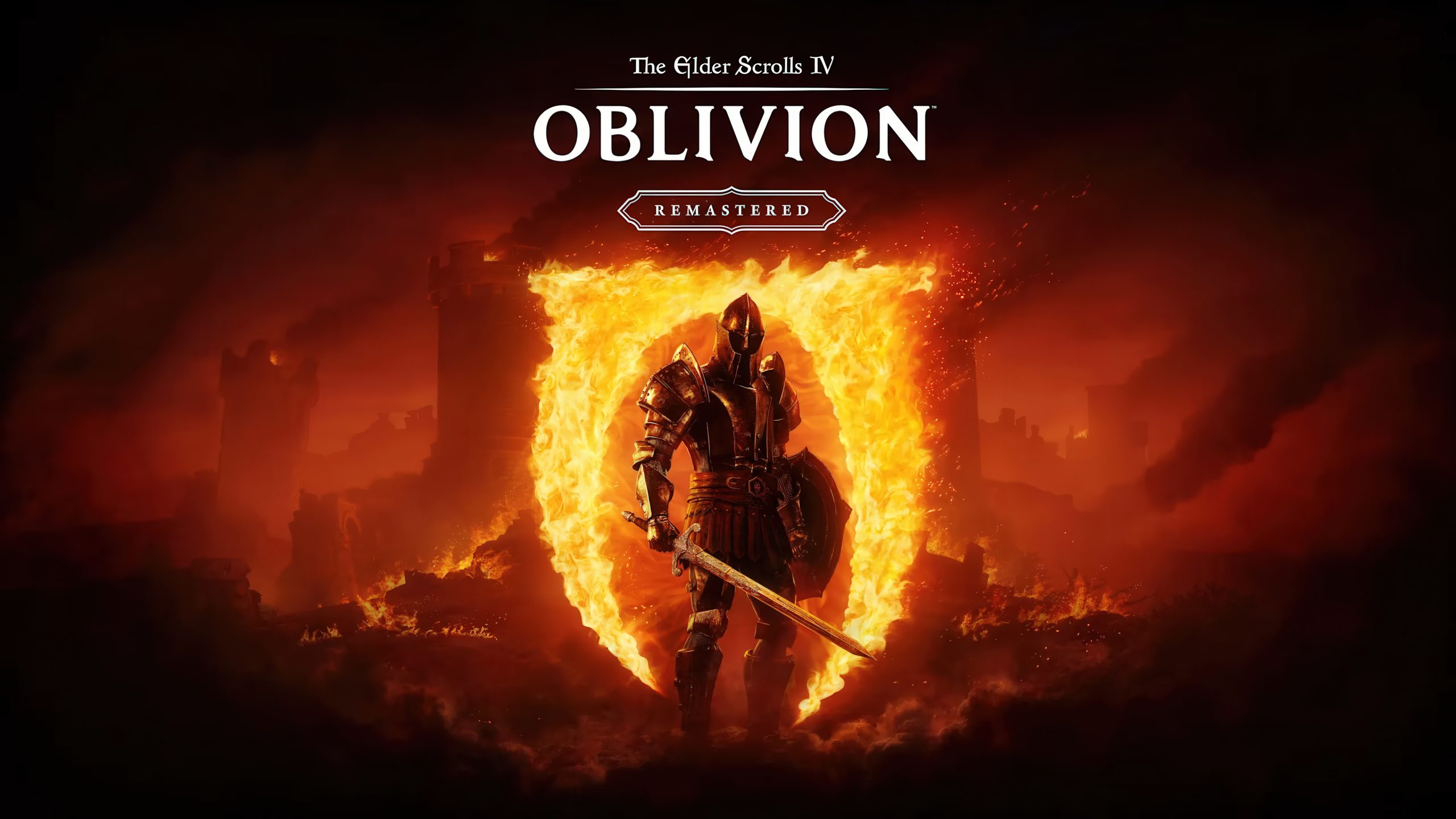
No teaser countdowns, no six month trailer drip, just a sudden announcement and instant availability. For one day, the conversation across social feeds and forums really did seem to revolve around the return of Cyrodiil.
This kind of launch, often called a shadowdrop, flips the traditional marketing playbook. Instead of spending months trying to keep player interest warm, the publisher banks on shock value and word of mouth to do the heavy lifting. In an era where almost every game leaks early and hype cycles feel exhausting, the idea of a big role playing classic suddenly appearing in your library has a real appeal.
Speaking at the Golden Joystick Awards, Bethesda Game Studios director Tom Mustaine, who oversaw Oblivion Remastered as Director of External Projects while Virtuos handled the Unreal Engine 5 port, made it clear that the surprise launch was not a one off experiment. He pointed back to Tango Gameworks rhythm action hit Hi Fi Rush as the first big proof that the strategy can work on Xbox, and described the Oblivion release as another example of how owning the conversation for a single day can be more valuable than months of noisy marketing beats.
Mustaine noted that players now live in a feed driven world where even the biggest trailers are forgotten within hours. From his point of view, being able to say that a game is available the moment it is revealed cuts through that clutter. Instead of dangling a promise that might be years away, the studio delivers an immediate payoff. It is a way of respecting players limited attention while still creating a sense of event.
Of course, there is an important caveat that some fans have been quick to highlight: a surprise launch only matters if people still genuinely care about the games you make. In community discussions around the Oblivion shadowdrop, many players admitted that while the stunt was fun, Bethesda no longer commands the untouchable hype it enjoyed in the Skyrim era. The studio has been quieter on the single player front, and some players dismiss remasters handled by external partners as low risk plays that lean on old glory instead of building it anew.
That skepticism feeds directly into the broader conversation about Bethesda boss Todd Howard and his long stated fascination with the idea of a true mega shadowdrop. He has joked more than once about wanting The Elder Scrolls VI to simply appear when it is finally ready, skipping the usual cycle of teaser logos, cinematic trailers and multi year speculation. On paper, the idea of waking up one day and finding a brand new Elder Scrolls on store shelves is the ultimate fantasy reveal.
In reality, it is much harder to picture Microsoft agreeing to quietly slide out a sequel to one of the best selling games of all time. A project on the scale of The Elder Scrolls VI represents not just years of studio work but a pillar release for Game Pass, Xbox hardware and PC. Those games traditionally come with global ad campaigns, platform bundles and long lead partnerships attached. The financial pressure to message that kind of launch far in advance is enormous.
A more believable middle ground is the formula Bethesda used with Fallout 4 back in the day, and which Mustaine alluded to as a possible template. The studio unveiled Fallout 4 at a summer showcase and then shipped it just a few months later in November, compressing the hype window without completely sacrificing marketing. In the current landscape, that approach could easily be combined with selective surprise beats, such as dropping a playable demo or a spin off project without warning while the core game follows a more traditional reveal path.
That is where the persistent rumors around remasters of Fallout 3 and Fallout New Vegas become interesting. Compared to a mainline new entry, updated versions of those classics are far better suited to the shadowdrop model. They trade on nostalgia, do not need years of messaging to explain their concept, and can quietly fill gaps between larger releases. In a post Fallout television boom, a suddenly available remaster of the Capital Wasteland or the Mojave would likely generate a loud, if short lived, spike of attention.
Even then, Bethesda cannot count on shock alone. Players are more technically savvy than ever, and there is little patience for remasters that amount to basic resolution bumps. With Oblivion Remastered, Virtuos and Bethesda leaned on Unreal Engine 5 to justify the re release, refreshing lighting and environments to better fit modern screens. Future surprise projects would need to show a similar level of care to avoid the feeling that old games are being repackaged just because surprise marketing is cheaper.
There is also a cultural question sitting under all of this: does briefly trending for a day actually rebuild long term trust. In the online debates around Oblivion, you can feel a split. Some fans love the low drama of learning about a game and downloading it in the same moment. Others point out that you cannot shadowdrop your way out of creative stagnation. If a studio leans too heavily on remasters and re releases, no amount of clever timing will hide that lack of new ideas.
In that sense, Bethesda experimenting with shadowdrops is neither a magic bullet nor a mistake. It is a tool. Used sparingly on the right projects, it can create memorable moments, reward loyal fans and keep legacy series like The Elder Scrolls and Fallout visible without inflating expectations. Used as a crutch, it risks becoming another marketing trick that players roll their eyes at the next time a surprise trailer tries to declare that a publisher has owned the day.
For now, Oblivion Remastered stands as a case study. The game appeared, conversations flared up, sales presumably spiked, and the internet moved on. What matters next is less whether Bethesda can pull off more shadowdrops, and more what kinds of games it chooses to drop. If the studio pairs genuinely exciting projects with its newfound love of surprise, then the day it owns might feel a lot more meaningful than a brief trending topic.
1 comment
If they ever shadowdrop Fallout 3 or New Vegas remasters and they are actually well done, people will go nuts. But if it is a lazy upscale, the internet will drag them in record time