Nintendo Switch 2 owners are discovering that the jump to the new console is not just about sharper visuals and bigger games – it is also about a new, more demanding kind of storage. The handheld-hybrid’s 256 GB of internal memory fills up quickly once you start downloading sprawling RPGs and chunky day-one patches, and unlike the original Switch, you cannot simply move over the MicroSD card you already own. The Switch 2 leans on the faster MicroSD Express standard, and a global crunch in flash storage means those cards could soon be harder to find and noticeably more expensive.
From Classic MicroSD to MicroSD Express: A Hidden Generation Gap
The first Nintendo Switch made life simple: almost any decent MicroSD card did the job, letting players bump storage to 512 GB or even 1 TB without worrying about speed standards or compatibility quirks. 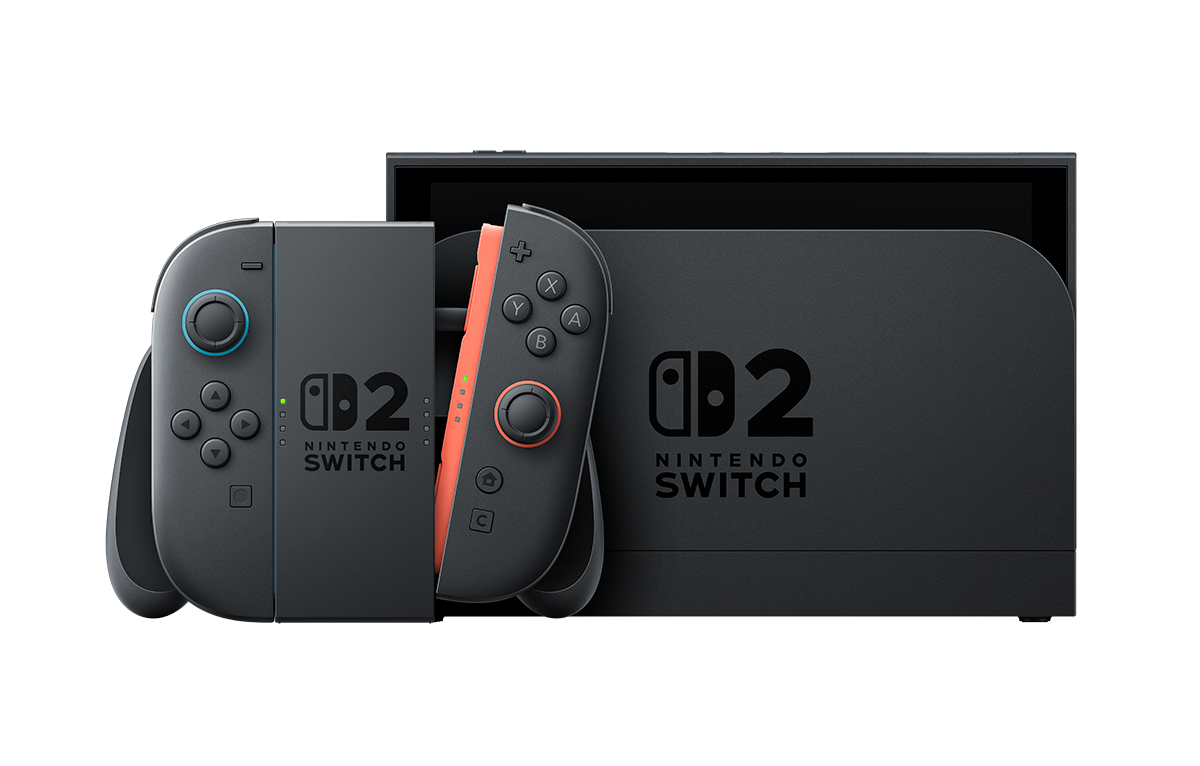
That generation of cards used familiar interfaces and was manufactured in huge volumes, keeping prices relatively low.
The Nintendo Switch 2 quietly raised the bar. To keep up with larger assets, higher resolution textures, and more demanding open-world titles, Nintendo moved to MicroSD Express expansion. These cards use a faster interface designed to deliver much higher transfer rates than conventional MicroSD, which in theory should mean shorter loading times and fewer compromises for digital-only players. The downside is that MicroSD Express is a newer niche, tied to the same underlying flash memory and production lines as ordinary MicroSD. When one segment of that market tightens, the ripple is felt everywhere.
AI Is Gobbling Up Storage – And Gamers Are Feeling It
So why would a shortage of standard MicroSD cards impact the more advanced MicroSD Express models? The core issue is that they are all drawing from the same pool of NAND flash chips and overlapping manufacturing capacity. According to an interview with Japanese outlet IT Media, highlighted in English by Tom’s Hardware, retailers are already sounding the alarm. One shop owner explained that high-capacity cards in particular are being devoured by AI-related workloads and data infrastructure, leaving little stock for everyday buyers.
In other words, it is not just console owners shopping for extra gigabytes. AI firms and data centers are hoovering up HDDs, SSDs, and removable flash cards for training datasets, edge devices, and test rigs. When deep-pocketed enterprise customers are willing to pay more, suppliers naturally shift inventory their way. That shift squeezes retail shelves, especially for the larger capacities that Nintendo Switch 2 players tend to prefer for big digital libraries.
Retailers describe a vicious cycle: the moment new stock arrives, prices are already higher, yet serious buyers snap it up immediately anyway. Low inventory plus reliable demand keeps pushing prices up, and every new batch sells out again, reinforcing the spiral.
MicroSD Express Was Already Hard to Find
Even before AI companies became the villains of every storage story, MicroSD Express cards were not exactly overflowing in stores. When the Nintendo Switch 2 was first revealed, early adopters noticed that compatible cards were limited to a handful of brands and capacities in select markets. Some players preordered the console only to discover that getting an officially compatible expansion card on day one meant trawling through obscure listings or paying a premium.
Now layer the AI storage hunger on top of that fragile supply. As gaming site Nintendo Life has noted, you have two huge trends converging: a broader consumer shift to removable flash storage, and an industrial wave of AI systems consuming storage at scale. When both want the same types of high-density flash, a shortage feels less like a possibility and more like a scheduled event – especially for a specialized format like MicroSD Express.
What This Means for Nintendo Switch 2 Players
For anyone eyeing a Nintendo Switch 2, the practical consequences are straightforward. Expect compatible storage to stay volatile in both price and availability. That is particularly true around big shopping periods such as Black Friday or end-of-year sales, when more people pick up new hardware and immediately go hunting for expansion cards. A console bundled with a couple of digital blockbusters can chew through 256 GB much faster than many casual players anticipate.
It also increases the risk of scalping and grey-market resellers. When an item is both technically niche and suddenly in demand, opportunistic sellers are quick to list inflated MicroSD Express cards alongside genuine stock. Shoppers will need to pay closer attention to card specifications and ratings, rather than grabbing the cheapest product with a familiar logo.
Smart Ways to Navigate the Storage Squeeze
There are a few strategies that can soften the blow while the market sorts itself out. Sticking to reputable brands and sellers reduces the risk of fake or underperforming cards being marketed as MicroSD Express. Checking read and write speeds, as well as explicit support for the MicroSD Express standard, matters more than ever when you are paying a premium.
Players who pace their digital purchases might also hold a tighter rotation of installed games, uninstalling titles they are not actively playing instead of hoarding everything at once. Cloud saves and account-based ownership mean you can usually redownload later, even if the process is less convenient than leaving everything installed. It is not ideal, but it can delay the moment when upgrading to a larger, pricier MicroSD Express card becomes unavoidable.
How Long Could the Shortage Last?
History suggests that storage shortages eventually ease as manufacturers ramp up production, open new fabs, or shift product mixes. The catch is that these adjustments take time and often lag behind demand surges like the current AI boom. In the near term, Nintendo Switch 2 owners should expect a period where prices are jumpy and top-capacity cards in particular feel scarce.
For now, the Nintendo Switch 2 is launching into a world where cutting-edge gaming hardware is competing directly with cutting-edge AI for the same fundamental resource: fast, high-density flash storage. Until the supply chain catches up, MicroSD Express cards are likely to feel like another premium accessory in an already expensive hobby, rather than a cheap afterthought tucked next to the checkout line.
1 comment
kinda wild that i can’t just reuse my old microsd, nintendo really said pay up