Android and iOS quietly crossed a line this week. For the first time, Google’s Quick Share can talk directly to Apple’s AirDrop, letting some Android phones beam photos, videos, and files straight to nearby iPhones without awkward workarounds or third-party apps. Right now the party is small and exclusive – it only works on Google’s new Pixel 10 series – but other manufacturers are already lining up at the door.
One of the loudest voices is Nothing. 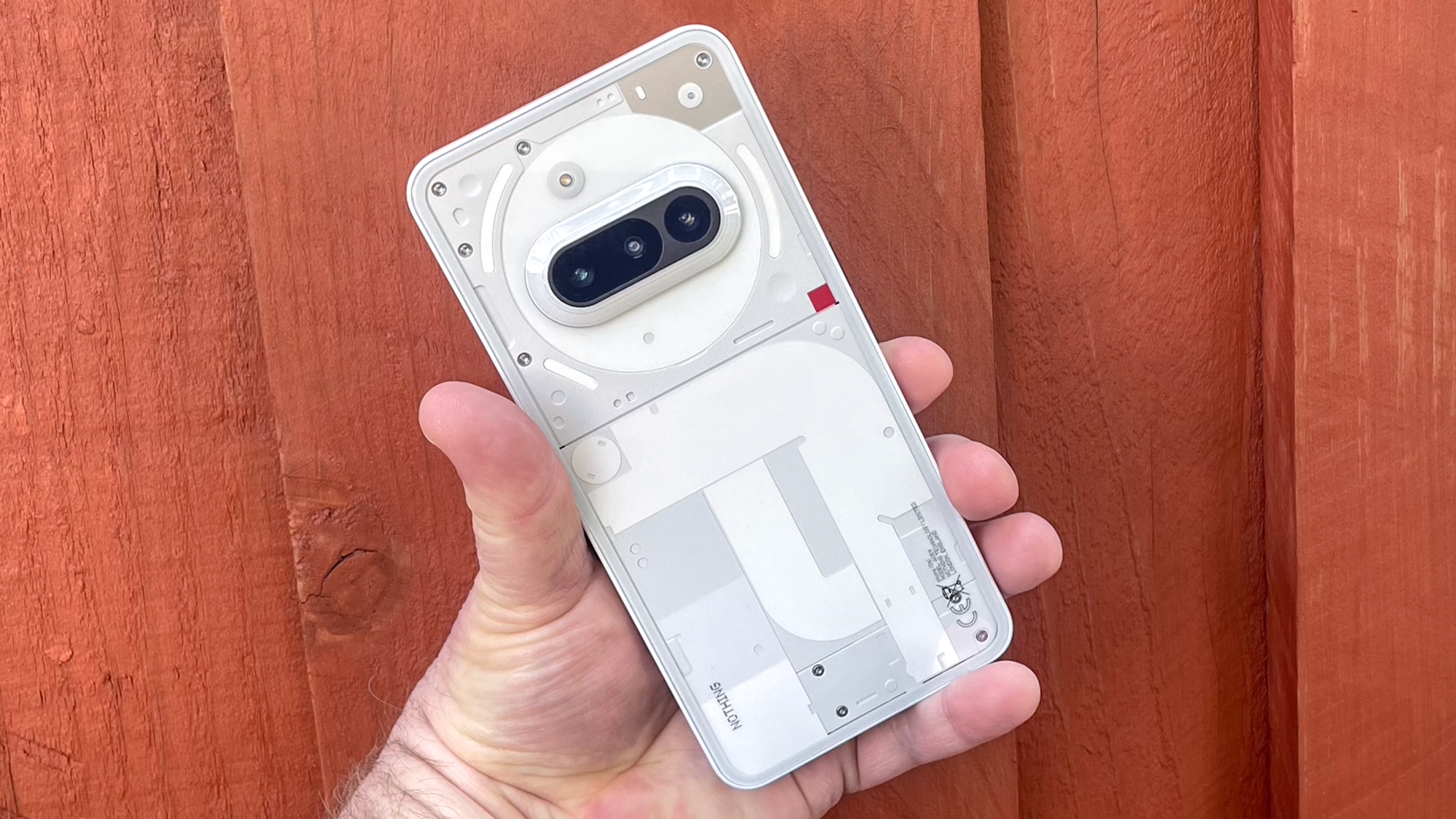
Company founder and CEO Carl Pei has already said that his team is exploring how to plug Nothing phones into this new cross-platform sharing standard as soon as they realistically can. For a brand that has built its identity around stripping away clutter and walls in tech, joining a truly universal file-sharing system is almost a no-brainer.
Nothing wants your files to fly freely
Pei’s reaction to the news was simple but telling: this is the kind of progress the industry needs to see. Coming from someone who has spent years criticizing closed ecosystems, it is more than a throwaway line. If Nothing can adopt the same interoperability that now links Quick Share and AirDrop, owners of a Nothing Phone could pass files to iPhones just as easily as Pixel 10 users can today.
Practically, that would mean fewer “can you just send it on WhatsApp” moments. Imagine recording a 4K video at a concert on a Nothing handset and tossing it straight to a friend’s iPhone in seconds, even with flaky mobile data and no Wi-Fi around. That is the kind of everyday convenience Apple has kept largely locked inside its own ecosystem for more than a decade, and Android users have been forced to recreate using chat apps, cloud links, or USB cables.
Why Apple suddenly opened the door
The twist in this story is that Google did not pull off any clever hack to slip inside AirDrop. Instead, Apple was pushed toward new interoperable wireless standards, largely thanks to regulatory pressure from the European Union. Once those standards were in place, Quick Share could speak the same language as AirDrop and the wall around iOS suddenly developed a very real doorway.
In other words, this is not a secret handshake between Apple and Google – Google has even confirmed it never consulted Apple before flicking the switch. It is the direct result of regulators forcing big platforms to play nicer with their rivals, at least in a few key areas that matter to ordinary people. For users, the technical details fade into the background; what they see is that an Android phone can finally share a file with an iPhone in a way that feels fast, local, and built in.
Will Apple try to slam that door shut?
This is where the optimism crashes into reality. Apple has never been shy about defending its walled garden, and some long-time Apple watchers already suspect the company will look for a way to quietly kill or cripple this new compatibility. Veteran iPhone fans know the pattern: anything that feels too open or too friendly to the outside world can suddenly disappear in the next software update, replaced with something just proprietary enough to keep regulators at bay while restoring Apple’s control.
That fear is echoing across comment sections already. Many users are convinced Apple will tolerate this only long enough to tick a regulatory box, then shut it down the moment the spotlight moves on. From their perspective, it would be classic Apple: briefly tease real openness, then retreat to the comfort of an ecosystem where everything flows smoothly – as long as you never leave it. Others point out that Apple has a real incentive not to look like the villain that deliberately made sharing worse again, especially while regulators are watching so closely.
The genie is out of the bottle
Even if Apple does try to roll things back, it will be hard to put this genie back into the bottle. Once people get a taste of friction-free sharing between Android and iOS, they are not going to happily return to emailing themselves photos or relying on clunky messaging compression just to get a video across the room. And as more Android brands like Nothing push for support, Apple will not just be fighting Google – it will be fighting a whole industry pointing at a better, more user-friendly status quo.
There is also a reputational risk. Apple has spent years talking about how much it cares about user experience. Killing a feature that lets mixed iPhone–Android households share files effortlessly would send the opposite message, especially now that the rest of the world can see it working on Pixel 10. For a company already under intense regulatory scrutiny, deliberately making things worse for users would be a bold move, and one that could backfire both legally and in the court of public opinion.
For now, we are in a rare and strangely hopeful moment. A feature that once felt impossible – seamless, native file sharing between Android and iOS – suddenly exists, even if only on a narrow slice of devices. Nothing’s eagerness to jump in shows how badly the Android side wants this to become normal, not an exception. And if enough users start to expect it, even Apple may find that slamming the door shut is more painful than learning to live with it being open.
2 comments
As a Pixel user in an iPhone household this is HUGE, im so tired of sending 4K vids through Telegram compression 😭
Regulators did more for my group chat workflow than any so called AI feature this year, not even kidding