“Never Settle” has always been OnePlus’ rallying cry, but right now many of its most loyal users feel like they are settling for a phone that cannot even tell them if it is about to rain. After installing OxygenOS 16 on devices such as the OnePlus 15, OnePlus 13 and the latest OnePlus watches, countless owners have discovered that the built-in weather app has simply stopped doing its job. 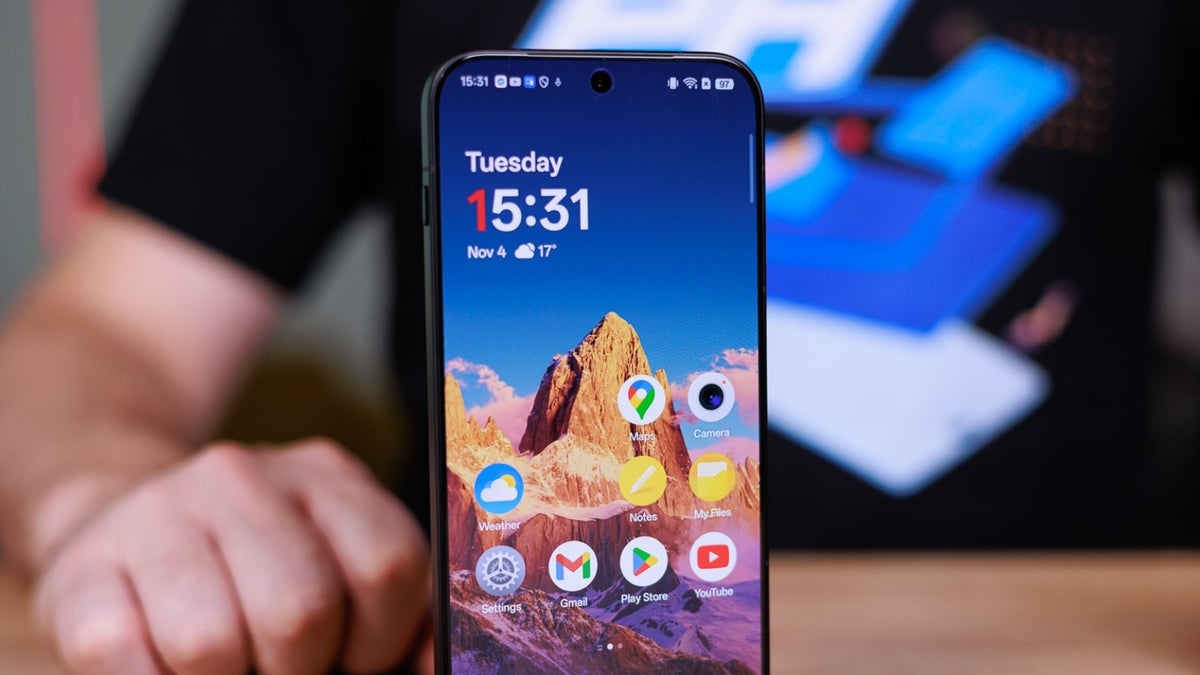
For a core system tool that sits on the home screen of millions of phones, that is no small glitch.
The problem appears shortly after updating to OxygenOS 16. Users open the weather app or glance at their widget and find empty data, stuck temperatures or endless loading indicators where live forecasts should be. The issue is being reported from different regions around the world, and crucially, across multiple models, which strongly hints at a system-level bug rather than a local outage or a single faulty batch of devices.
Which OnePlus devices are affected?
Reports on forums, Reddit threads and the official OnePlus Community highlight a consistent pattern. Owners of the OnePlus 15, OnePlus 13 and several recent OnePlus flagships running OxygenOS 16 say the weather service has gone down at roughly the same time. On top of that, OnePlus Watch 3 users and some earlier smartwatches tied into the same ecosystem are seeing similar behaviour, with complications and tiles refusing to refresh conditions or forecasts.
Because the issue lines up so closely with the OxygenOS 16 rollout, many users suspect that the new firmware has introduced a regression that affects how the weather application talks to OnePlus’ backend servers. Whether you are checking the forecast on your phone’s widget, in the full app, or on your wrist, the result is the same: a basic function that previously worked without drama is suddenly unreliable or completely unavailable.
Silence from OnePlus, noise from the community
Frustrated owners have already reached out to OnePlus support channels. According to user testimonies, customer service representatives acknowledge the complaints and say that the problem has been escalated to the software team, but there has been no official public statement, timeline or changelog entry addressing the bug so far. The lack of communication has inspired a wave of memes and jokes, with some users quipping that OnePlus can push bleeding-edge performance tweaks but cannot keep the weather running.
Criticism goes beyond simple mockery. For many people, the weather app is one of the most frequently opened tools on a smartphone, crucial for planning commutes, workouts, travel and even work shifts. When a company of OnePlus’ size ships an update that appears to break such a fundamental feature across its flagship line, users understandably question how thoroughly the software was tested before release.
Why a “simple” weather app can fail
On the surface, a weather app looks trivial: show temperature, chance of rain and a short forecast. Under the hood, however, it is a chain of moving parts. The app needs permission to access location data, must format network requests correctly, authenticate with remote servers, parse responses, store them locally and update widgets and watch faces on a schedule. OxygenOS itself controls many of these layers.
If any link in that chain breaks after a major update, the entire service can fall apart. A change in how OxygenOS 16 handles background network tasks, location access, time zones, certificates or power management could easily cause the weather client to miscommunicate with OnePlus’ servers. One small mismatch in an API call might be enough for the server to reject the request, leaving users with frozen or missing forecasts on every device that shares the same codebase.
Possible causes and what users can do right now
Based on how widely the bug is being reported, the most plausible scenario is that OxygenOS 16 introduces a software bug in the system-level weather component or its interface with the cloud service. Because the problem spans phones and watches, it is unlikely to be restricted to a single hardware model, and more likely tied to a shared software library or configuration.
Unfortunately, there is not much an individual user can do to repair a core system app. Clearing the weather app’s cache and data, toggling location permissions, rebooting the device or switching between Wi-Fi and mobile data are all harmless steps and sometimes help with minor glitches, but in this case most reports suggest they do not permanently fix the issue. Rolling back a full system update is rarely practical or officially supported, so for now the realistic options are to wait for a patch and to use alternatives in the meantime.
Workarounds: alternative weather apps and reports
While OnePlus engineers work behind the scenes, users do not have to live completely forecast-free. Installing a third-party weather app from the Play Store is currently the most straightforward workaround. There are plenty of respected options that can provide detailed hourly forecasts, radar maps and alerts, and their widgets can temporarily take the place of the stock OnePlus weather tile on your home screen.
On OnePlus Watch 3 and other wearables, choices are more limited, but you can still rely on your phone’s notifications or check conditions directly from your preferred weather app before heading out. It is not as seamless as glancing at your wrist, yet it keeps you informed until the native integration recovers. For users who depend heavily on accurate forecasts for work or travel, having a secondary app installed has always been a smart backup strategy, and this incident underlines why.
How OnePlus should respond
From a brand perspective, this is not a catastrophic failure, but it is a highly visible embarrassment. A broken weather app does not corrupt your photos or compromise your data, yet it chips away at user trust because it touches a daily habit. The most constructive path forward for OnePlus would be a quick, transparent acknowledgment of the bug, followed by either a server-side fix or a small hotfix update that restores normal behaviour.
Equally important is what happens next. This incident should prompt tighter regression testing around core system apps such as weather, clock, dialer and messages whenever a major OxygenOS build is prepared. Flagship hardware specs and impressive charging speeds mean little if everyday tools fail unexpectedly after an update. For a company that positions itself as a user-first enthusiast brand, turning this misstep into a lesson could ultimately strengthen the platform.
What this means for OnePlus users going forward
For now, OnePlus owners dealing with dead forecasts can take some comfort in the fact that problems of this kind are usually resolved relatively quickly once they surface at scale. Issues that affect multiple models across global markets tend to be high priority inside any software team. In the meantime, logging the bug through the OnePlus Community app or other official feedback channels helps ensure that engineers see just how widespread the problem is.
The OxygenOS 16 weather fiasco is a reminder of how dependent modern smartphones are on invisible connections and background services. When one of those invisible links breaks, even something as simple as checking tomorrow’s temperature can fall apart. Whether OnePlus chooses to quietly patch the issue or publicly address it head-on, users will be watching closely – clouds and all.
2 comments
At least my phone cant spoil the forecast anymore, every day is mystery mode now 😂
Honestly this is kinda embarrassing. You can tune gaming fps but forget to test the weather app? priorities lol