Smartphones are no longer the most exciting battleground in consumer tech. The next big fight is slowly sliding onto our faces in the form of AI smart glasses, and according to fresh rumors Samsung is gearing up for a two phase offensive that stretches into 2027. These leaks sit in the same universe as Apples long discussed but still unseen AI glasses and Metas very real Ray Ban lineup, which is already on people’s faces today. 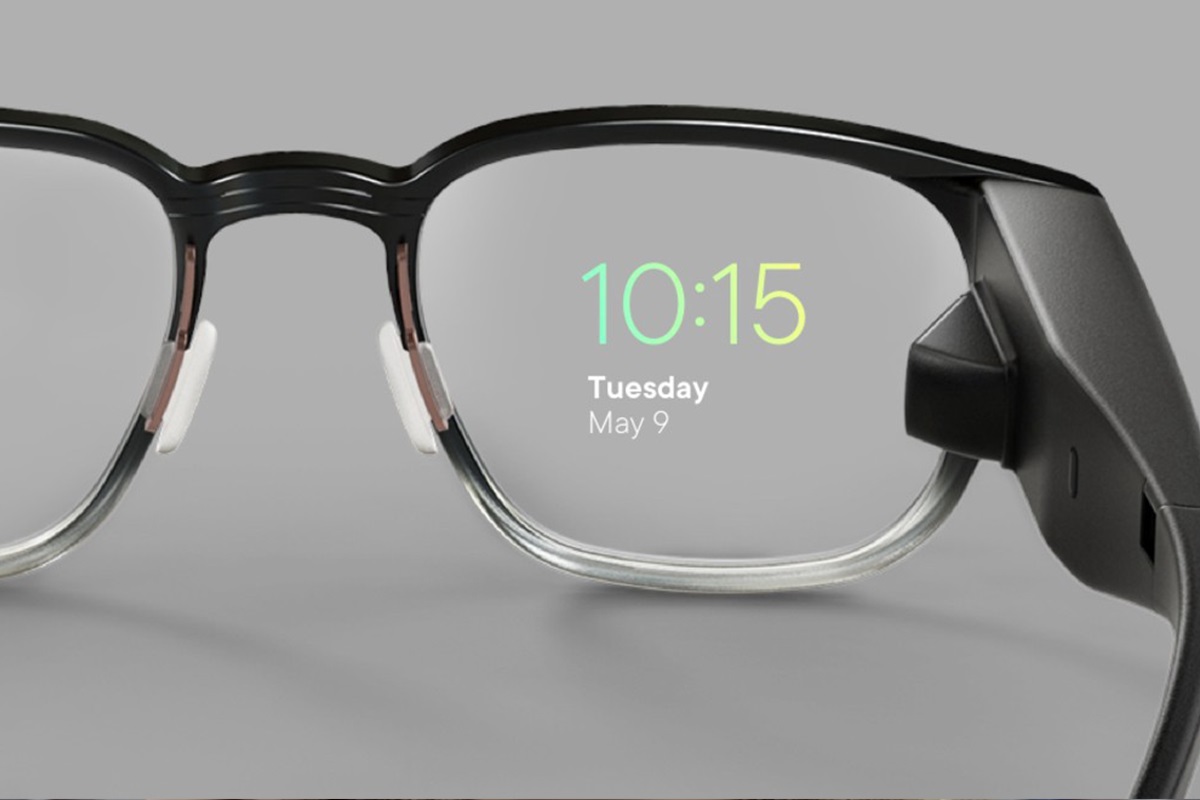
The result is a slightly confusing narrative where some claim Samsung is simply copying Apple, even though neither company has actually shipped mainstream smart glasses yet.
Rumor scorecard: how plausible is Samsung’s plan?
Before diving into model names and features, it is worth placing a big rumor label on all of this. The information comes through a Korean rumor aggregation blog, which has a track record of picking up supply chain chatter but not every post turns into a finished product. Looking at the fragments that are currently circulating, the scenario feels plausible but far from guaranteed, landing around the midpoint of the scale.
- Overall assessment: roughly 50 percent plausible. There is smoke, but we cannot swear there is a fire yet.
- Source quality: about 2 out of 5. The blog is known in enthusiast circles, yet we are still talking about secondary reporting, not official roadmaps.
- Corroboration: another 2 out of 5. There are hints from component suppliers, but not the kind of multi angle confirmation that usually precedes a locked in product.
- Technical feasibility: around 3 out of 5. Everything described is achievable with current silicon, optics and batteries, but pushing this into a light, stylish frame is non trivial.
- Timeline confidence: around 3 out of 5. 2026 to 2027 sounds reasonable, yet delays are almost a tradition in mixed reality hardware.
Samsung’s two stage AI smart glasses strategy
The most interesting part of the leak is the idea that Samsung will not jump straight into full augmented reality, but instead follow a staggered approach. The first model, reportedly carrying the codename SM O200P, is tipped for 2026. Think of it as AI first glasses rather than AR first: the design is said to include auto dimming lenses for comfort in bright sunlight, but no dedicated AR display. In other words, you get the familiar glasses silhouette, plus microphones, connectivity and on device intelligence, but your field of view is not covered with constantly floating widgets.
This 2026 version would lean heavily on voice control. You talk to an onboard assistant to handle tasks like summarising notifications, generating replies, pulling quick answers from the cloud, or quietly recording photos and short clips. The aim is to take what people already do with their phones and earbuds and let them do it more discreetly, without raising a slab of glass every few minutes. It is a pragmatic entry point: technically simpler than true AR, yet still enough to test how comfortable users actually are with wearing cameras and microphones on their faces all day.
The second model, pencilled in for 2027, is where Samsung allegedly turns up the ambition. This version would integrate a dedicated AR display comparable in spirit to Metas Ray Ban Display, layering digital content on top of the real world. Rumor suggests support for AI assisted photography and video recording, listening to music, and making calls, with the display big and sharp enough to frame shots, view messages, and see simple apps in your line of sight. If Samsung ships both models, the first feels like a warm up lap and the second like a serious shot at the AR mainstream.
Apple pivots from Vision Pro Air to lighter AI glasses
Apples name inevitably enters the conversation, but the reality is more nuanced than the simple claim that Samsung is following Cupertino. Apple has already launched the Vision Pro, a three thousand four hundred and ninety nine dollar mixed reality headset that is powerful yet bulky and expensive. A cheaper follow up, often referred to as Vision Pro Air, was widely rumored as the next step. Those plans, however, reportedly slammed into a wall when Samsung cancelled work on a glass based micro display project known as G VR, which had been expected to help Apple build a more affordable headset.
According to current whispers, Apple has shifted part of its focus from that lighter headset to a pair of AI smart glasses targeted for around 2026. These would include integrated cameras, microphones and speakers, acting as a more ambient extension of the iPhone and the company’s in house AI assistant. Expect features like hands free notifications, live translation and real time guidance, all driven by a newer generation of Siri that actually understands context. Crucially, like Samsungs first wave glasses, these early Apple frames are not expected to feature a full AR display. Instead, they would occupy the same category as AI enabled, non display smart glasses, a category Meta has already defined.
Meta’s Ray Ban Display shows the future right now
While Samsung and Apple are sketching their plans on whiteboards and in lab prototypes, Meta already has actual products in the wild. The current Ray Ban smart glasses are a surprisingly polished mix of lifestyle object and tech gadget, offering up to eight hours of mixed use, around two hours of intensive live AI usage, ultra high definition 3K video recording and an evolving noise cancellation system called conversation focus. They also look like real sunglasses, which matters more than spec sheets when you want people to wear something in public.
Meta has now raised the stakes again with the Ray Ban Display glasses. These add an integrated display large enough to read messages, glance at directions, watch short clips or see live translations floating in your view. At forty two pixels per degree, the optical clarity beats the resolution of Metas own consumer VR headsets, and a custom light engine plus waveguide system can hit up to five thousand nits of brightness, making the image usable both indoors and outdoors. A separate Meta Neural Band serves as a control interface, using electromyography to read nerve signals in your hand so you can navigate apps with subtle gestures instead of dramatic waving. All of this currently ships at a starting price of seven hundred and ninety nine dollars.
Who is really leading whom?
This is where the reader confusion starts to make sense. On paper, the story that Samsung is simply chasing Apple makes for an easy headline, but it ignores the fact that Apple has yet to ship consumer smart glasses, while Meta is already on its second display equipped model. In practice, Samsung and Apple both appear to be reacting to the same pressure: Meta is turning AI glasses into a real, purchasable product line, and neither smartphone giant wants to be left explaining to investors why they missed the next platform shift.
The leaked timelines suggest that any fully featured AR competitor from Samsung or Apple would not appear until 2027 at the earliest. That essentially hands Meta a two year uncontested runway to refine both its hardware and the underlying AI experience, tuning battery life, camera quality and on device models based on real world usage rather than lab assumptions. For Samsung and Apple, that means they are not just copying each other, they are racing against a company that has already accepted the risk of putting cameras and neural interfaces into everyday fashion items.
Technical and human reality checks
Even if every rumor here turns out to be accurate, the road from prototype to a device you actually enjoy wearing all day is rough. Smart glasses have to balance weight, heat, battery life and fashion in a way that phones never did. Adding a bright AR display multiplies those problems: optics become thicker, power draw spikes, and image quality can suffer in a compact frame. On top of that sit the human questions. People are already uneasy about being filmed by strangers phones. Glasses with silent cameras, neural bands and persistent AI raise privacy and etiquette concerns that no spec sheet can fully solve.
There is also the very real chance that timelines slide. Component yields, software integration and regulatory scrutiny are all moving targets, especially when you are dealing with devices that continuously capture real world data. A 2026 non display Samsung model and 2027 AR model are entirely possible, but so is a scenario where only one ships, or where features arrive in a more limited form than early leaks suggest. The same uncertainty hangs over Apples plans. In other words, treat the dates as placeholders, not pre orders.
A glimpse of life beyond the phone screen
Still, taken together, these rumors sketch a clear direction. Whether Samsung, Apple or Meta ends up with the most popular product, it is obvious that big tech wants to move everyday computing from the rectangle in your pocket to lightweight frames on your face. The first generation will likely feel experimental, a mix of brilliant moments and awkward social encounters. Yet if even half of the promised features land, your future reality could involve glancing at floating directions, holding a conversation that is translated in real time or quietly asking an AI to remember the name of the person walking toward you, all without ever unlocking a phone. That is the world Samsung’s rumored SM O200P, Apples AI glasses and Metas Ray Ban Display are quietly competing to define.