For years Samsung’s Galaxy Ultra line has been defined by raw power and showpiece displays. Huge batteries, punchy panels, big camera bumps and a long spec sheet have been the key selling points. Now the rumored Galaxy S26 Ultra is shaping up to do something much more interesting than simply adding a few extra nits of brightness or another marginal camera tweak. Samsung is reportedly working on a hardware level privacy feature called Flex Magic Pixel, and if it lands as described, it could be the coolest and most practical upgrade the company has delivered in a very long time.
Modern flagships have entered a strange stage of maturity. Displays already hit eye searing levels of brightness, refresh rates are silky smooth, and touch response is more than fast enough for gaming. 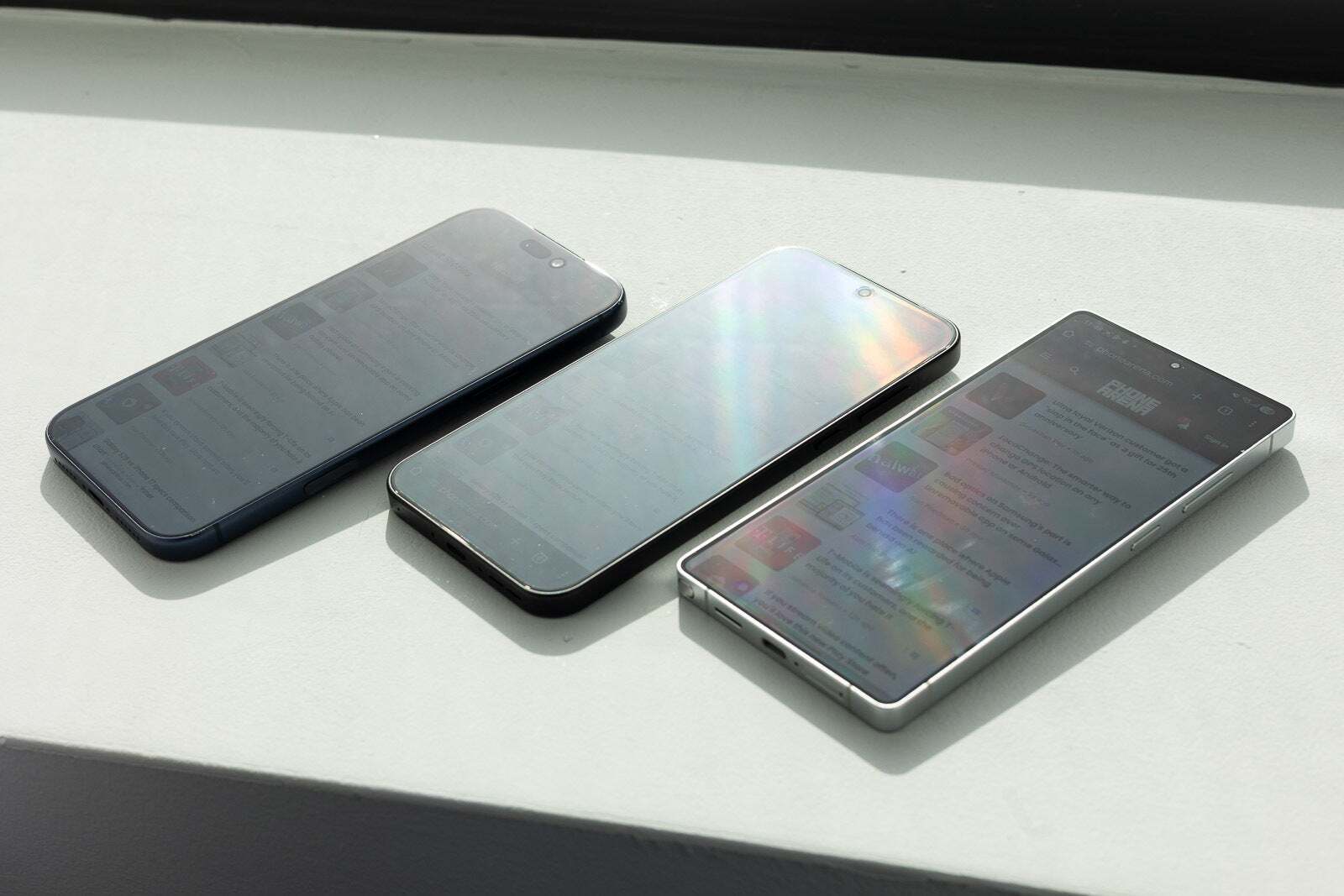
Most users will never notice the difference between 2,500 and 3,000 nits outdoors, and yet that is still where a lot of marketing energy goes. The spec race looks impressive in a presentation slide, but day to day life rarely feels radically different from one generation to the next. A feature like Flex Magic Pixel, however, promises a shift that is genuinely visible and immediately useful every time you use your phone in public.
What Flex Magic Pixel is trying to solve
The core idea behind Flex Magic Pixel is simple but powerful. Instead of relying on a stick on film to hide your screen from curious eyes, Samsung is said to be building a privacy layer directly into the display stack of the Galaxy S26 Ultra. At the tap of a toggle, the viewing angles narrow so that content remains clear to you when you look straight on, but rapidly fades or becomes unreadable when someone tries to peek from the side. This is not just a software blur effect; it is expected to be a panel level change that alters how light is emitted and distributed.
If that sounds familiar, it is because privacy screen protectors have offered a version of this idea for years. Those accessories use special filters to limit viewing angles, which is handy for frequent fliers, office workers and commuters. Yet they come with heavy compromises. They cost extra, they can mute colors and reduce sharpness, and they permanently dim the display. Once you stick one on, you have to live with the trade offs all the time, even when you simply want your display to look its best while watching a movie at home.
Why a built in privacy display is a big deal
Flex Magic Pixel promises to sidestep all of those compromises by tying the privacy effect to a quick setting rather than a sheet of plastic. On the Galaxy S26 Ultra, you could keep the display in its normal, bright, vibrant mode most of the day. Then, as soon as you sit down on a train, bus or airplane, a single tap could flip the screen into privacy mode, instantly cutting side visibility. When you get off, another tap returns the screen to its regular ultra wide viewing angles, with no residue, no bubbles and no worn out protector to replace.
Think about how many everyday situations this touches. You check your banking app in a queue, review confidential work documents in a cafe, draft personal messages on public transport, or scroll through photos you would rather not share with an entire carriage. Shoulder surfing is a very real issue in busy cities, but most people simply accept it as part of life with a big, bright phone. A hardware privacy mode in the S26 Ultra would give those users an always available shield, built into the display they already paid for.
Fixing the classic privacy screen trade offs
Traditional privacy protectors often leave displays looking dull and greyish, especially outdoors, because they block light in order to limit viewing angles. Since they sit on top of the glass, they also collect smudges more easily and can interfere with touch sensitivity if they are poorly made. Flex Magic Pixel, by contrast, is rumored to operate at the pixel and panel level. That means Samsung can tune the privacy effect to preserve as much brightness and clarity as possible when you look straight on, while still aggressively cutting visibility from the sides.
Equally important, you are not locked into that trade off full time. The Galaxy S26 Ultra could behave like any other ultra premium phone when the feature is off, showing off the best of Samsung’s display tuning. Then, the moment privacy matters more than punch, you flip the switch and the screen changes character. That sense of adaptability is something spec bumps rarely deliver, and it is exactly the kind of subtle convenience that ends up redefining how a device feels over months and years of use.
Part of a long history of display innovation
This rumored Flex Magic Pixel system is not some random party trick coming out of nowhere. Samsung has been steadily refining its display technologies for over a decade, not just for its own Galaxy lineup but also as a major supplier to half the industry. The company quietly experimented with better anti reflective coatings as far back as the Galaxy S21 Ultra, improving outdoor visibility without making a marketing spectacle of it. Reviewers at the time remarked that glare was meaningfully lower, even though Samsung barely mentioned the change in its promotional materials.
The real breakthrough arrived with the Galaxy S24 Ultra and Corning Gorilla Armor. That combination drastically cut reflections and improved scratch resistance compared to conventional cover glass. Many users who upgraded were surprised at how different the phone looked outdoors, with darker blacks and less mirror like glare. Taken together, these steps show a company that is not only chasing big numbers but also obsessing over how screens behave in real, messy environments. Flex Magic Pixel would be the next logical step in that evolution, shifting the focus from reflections to privacy.
A response to complaints about slow innovation
Samsung has not escaped criticism in recent years. Some long time fans feel that the Ultra series has become a bit predictable. Battery capacity has hovered around the same 5,000 mAh mark for several generations, while rivals such as the OnePlus 15 are now pushing significantly larger cells. The S Pen, while beloved by many, also eats up internal space that could have gone to a bigger battery or new hardware tricks. Add to that a parade of incremental camera adjustments and chipset swaps, and it is easy to understand why some people say they no longer feel the same excitement around a new Galaxy Ultra launch.
A feature like Flex Magic Pixel does not magically fix every concern, but it genuinely changes what the phone can do. It is a world first that is easy to explain and even easier to demonstrate. You turn it on, the screen hides from prying eyes; you turn it off, it goes back to normal. In a landscape where a lot of upgrades are hard to see without zooming into comparison charts, that sort of instantly visible transformation goes a long way toward restoring the sense that Samsung can still surprise and delight.
A new direction for premium smartphone displays
If the Galaxy S26 Ultra launches with this hardware privacy mode, it may set off a new wave of copycat features across the industry. Just as high refresh rate displays, ultra bright panels and advanced anti reflective coatings slowly became table stakes, an integrated privacy option could become something people expect as standard on top tier devices. It is easy to imagine future laptops, tablets and foldables borrowing the same underlying idea, letting users jump between wide angle sharing mode and narrow angle privacy mode depending on context.
In that sense, Flex Magic Pixel is about more than one phone. It hints at a future where display innovation returns to practical, human centered features rather than ever higher numbers. The Galaxy S26 Ultra will still have plenty of raw specs to brag about, but if this rumor pans out, the real story will be a screen that adapts not only to lighting conditions, but also to how comfortable you feel about the people sitting next to you.
And that is why this could be the coolest thing Samsung has done in years. It takes the company’s greatest strength, its display technology, and applies it to a problem everyone with a smartphone understands instantly. No extra accessories, no clumsy workarounds, just a simple toggle that makes your digital life a little more private. For a flagship that aims to stand out in a crowded market, that kind of everyday magic might matter more than any extra sliver of brightness ever could.
1 comment
if this flex magic pixel thing works i am ripping off my ugly privacy screen day 1