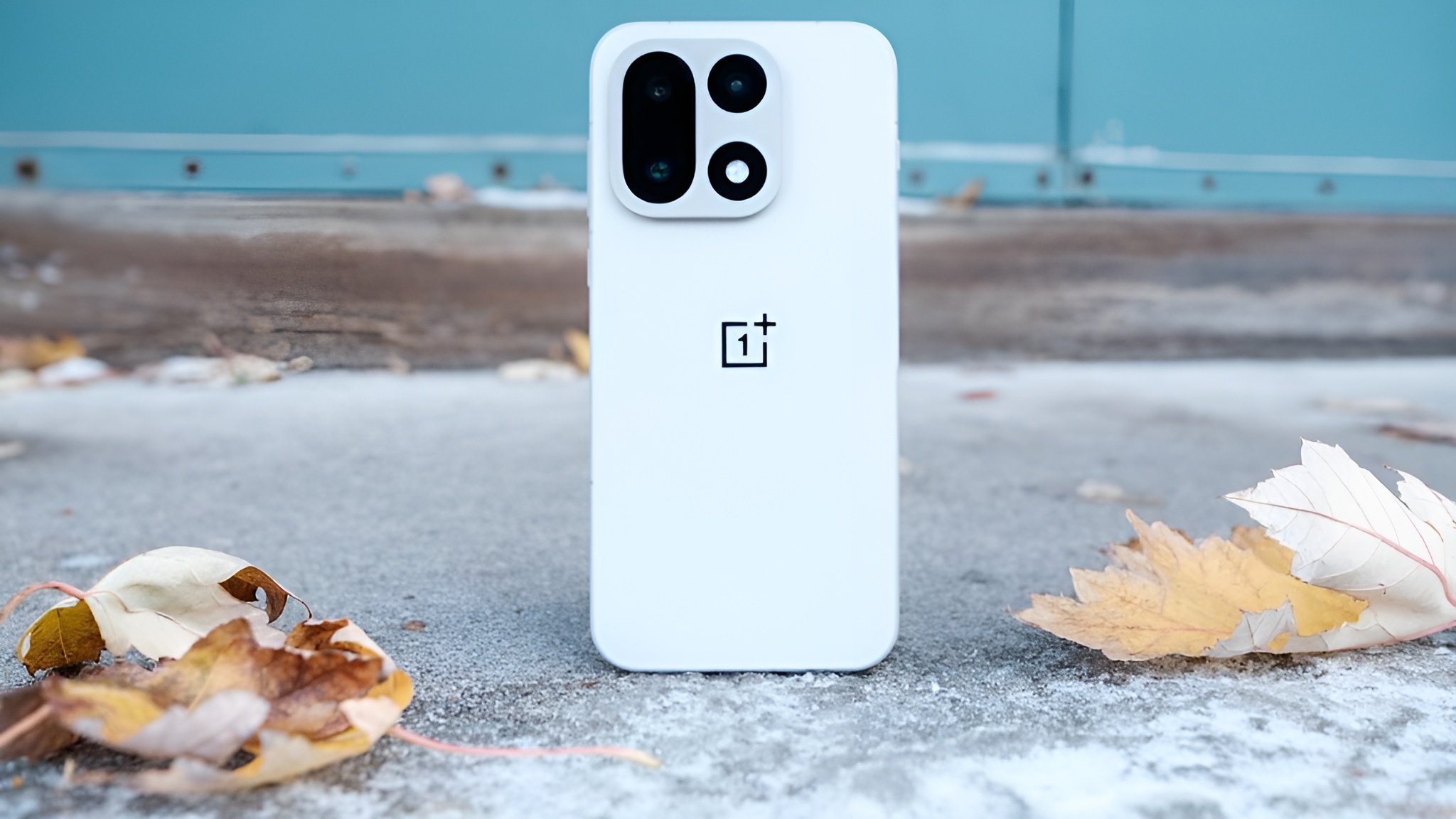
OnePlus 15 Overheating Claims Turn Into A Censorship Story
A single deleted social post has turned what could have been a small technical quirk of the OnePlus 15 into a full-blown trust problem. Reviewer and tipster Debayan Roy recently shared his experience on X (the platform formerly known as Twitter), describing how his OnePlus 15 review unit overheated and shut down its camera during 4K recording. The post did not stay up for long. According to Roy, OnePlus asked him to remove it, reportedly preferring that only "good things" about the phone be highlighted. The end result: instead of calming concerns, the situation has made users even more suspicious.
Roy’s original account painted a very specific scenario. While recording 4K video at 60fps outdoors in winter conditions, the OnePlus 15 allegedly climbed to around 50 degrees Celsius. After roughly five minutes, the phone stopped recording and temporarily disabled the camera app altogether. That is not the sort of behavior anyone expects from a modern flagship pitched as a no-compromise device.
At the same time, Roy clarified that in indoor environments and during everyday use – social media, browsing, light photography – the phone behaved normally. In other words, the OnePlus 15 is not melting down on home screens and messaging apps; the instability appears when the Snapdragon 8 Elite Gen 5 is pushed hard for sustained periods.
A Familiar Pattern: Snapdragon 8 Power Meets Tight Thermals
Many long-time Android users will feel a sense of deja vu here. Since the Snapdragon 888 era, a lot of premium phones powered by Qualcomm’s top-tier silicon have been known to run hot under sustained load. It is not unique to OnePlus; Samsung, gaming-centric brands, and others have all wrestled with the same physics problem. When you pack laptop-class performance into a slim glass-and-metal body with no active cooling, there is only so much heat you can move away from the chip.
The Snapdragon 8 Elite Gen 5 pushes that reality to an extreme. Under stress, the chip can draw roughly 22W of power – a figure more commonly associated with ultrabook CPUs. Many thin-and-light laptops operate in that same power envelope, yet they still rely on proper heat pipes, metal chassis, and at least one high-speed fan. Meanwhile, a gaming notebook built around an Intel Core i9-14900HX can consume about 15W when idling and sit at around 62 degrees Celsius, even with a fan spinning at thousands of RPM to stop temperatures from spiking further.
A smartphone simply does not have that luxury. There is no blower ramping up to 6,000RPM in your pocket. Instead, manufacturers lean on larger vapor chambers, more efficient thermal paste, graphite layers, and clever chassis design. OnePlus claims the OnePlus 15 has a significantly enlarged vapor chamber with up to twice the heat dissipation capacity of previous generations. That explains why the phone behaves well in most daily-use scenarios. But when 22W-worth of silicon is driven near its limits for minutes on end, the margin for error shrinks dramatically.
Benchmarks, Stress Tests, And Real-World Limits
Early testing has already hinted that the OnePlus 15 does not like sustained synthetic workloads. Running heavy benchmarks such as 3DMark Wild Life Extreme can reportedly trigger noticeable heating and performance drops as the phone throttles to stay within its safety envelope. That is not automatically a disaster – almost every modern flagship will throttle when hammered long enough – but it does set expectations for gamers, content creators, and power users.
Roy’s 4K60 recording anecdote slots right into this picture. High-resolution video capture is one of the most demanding real-world loads a phone can face, because the chip is encoding video, handling image processing, and often keeping the display at peak brightness outdoors. When ambient temperatures are low and the device still races to 50 degrees Celsius and then shuts off the camera, it suggests that the thermal headroom is tight. If winter already pushes the phone to its limit, users naturally wonder what will happen during summer travel, beach holidays, or hot city streets.
From Technical Issue To PR Meltdown
On the technical side, there is a reasonable conversation to be had. Maybe the OnePlus 15 needs a firmware update to tweak its thermal curve. Maybe the chip is simply too aggressive under certain camera modes. Maybe the device is behaving as designed, prioritizing safety and component longevity by cutting off recording when it reaches a temperature ceiling. These are the kinds of questions enthusiasts and reviewers love to explore openly.
Instead of engaging with that discussion, OnePlus appears to have tried to bury it. By pressuring a reviewer to delete a critical post, the company has walked straight into the classic Streisand effect. What might have remained a niche complaint among early adopters has now become a story about censorship, brand image, and whether negative feedback is being quietly swept under the rug.
The optics are especially bad in a market where users are already wary of aggressive performance tuning and rushed validation cycles. Commenters are not only talking about heat; they are joking about quality control, lab testing that focuses on benchmarks instead of real life, and manufacturers shipping phones that chase headline numbers first and worry about comfort later. In trying to curate only positive coverage, OnePlus risks amplifying every negative anecdote instead.
What Buyers Should Realistically Expect
It is important to keep perspective. A single review unit overheating under a specific stress scenario does not automatically mean every OnePlus 15 will behave identically. Thermals can vary from unit to unit, software updates can significantly change behavior, and individual usage patterns matter a lot. For day-to-day tasks, the OnePlus 15 still looks like a fast, capable flagship, and the majority of owners may never push it hard enough to see the camera shut down.
At the same time, buyers investing in a premium Snapdragon 8 Elite Gen 5 phone deserve clear and honest communication about limits. Recording long stretches of 4K60 outdoors, competitive gaming sessions, or extended benchmark loops are all legitimate uses for a high-end device. If the phone is likely to get uncomfortably warm or temporarily turn off certain features under those conditions, the manufacturer should be willing to say so – and to discuss how it plans to improve behavior over time.
Heat Is Understandable, Silence Is Not
In the end, the physics behind the OnePlus 15 overheating reports is not mysterious. When a chip that can sip 22W lives inside a slim body with only a vapor chamber to help it breathe, elevated temperatures are almost inevitable under sustained load. Competitors using the same class of silicon are wrestling with similar challenges.
What sets this story apart is not the heat itself, but the attempt to make the complaint disappear. Users can accept that high-performance phones get warm. What they will not accept is feeling that their concerns are being edited out of the conversation. If OnePlus wants the OnePlus 15 to be remembered for its speed rather than for censorship drama, the company will need less pressure behind the scenes and more transparency in public.
2 comments
pretty sure most people will never notice this, but power users and creators absolutely will, and those are the ones who shout the loudest online
honestly the heat is whatever, it’s the part where they made the guy delete the post that feels super shady to me