Apple’s iPhone 17 family is doing more than just selling well – it is warping the entire smartphone supply chain around it. Behind the scenes, Taiwan Semiconductor Manufacturing Company (TSMC) is scrambling to keep up as Apple rapidly ramps orders for its new A19 and A19 Pro chipsets. 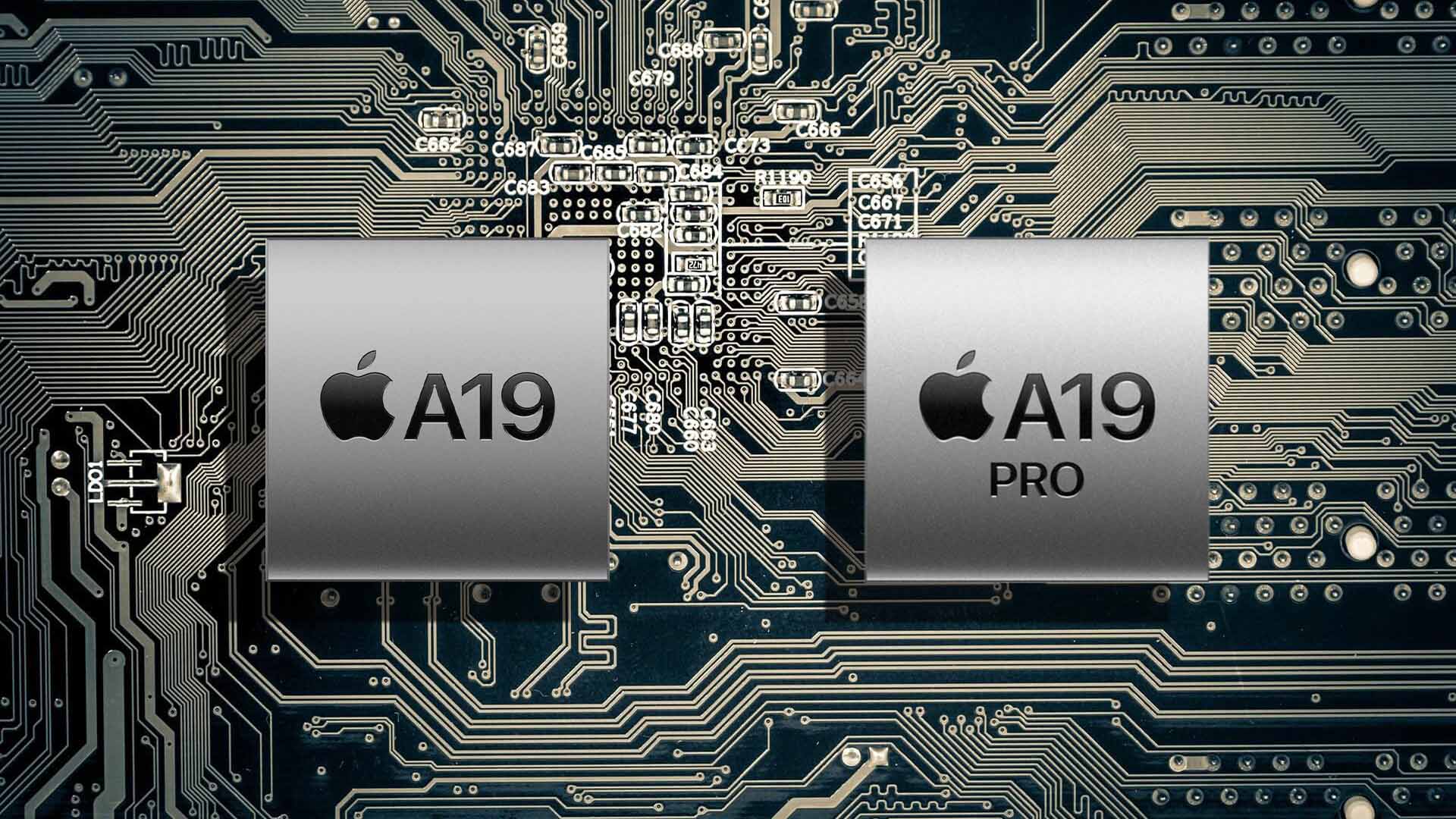
Industry sources now estimate that, in just the span of October and November, Apple has added another 4–5 million A19-series chips to its production plans, a surge that underlines how aggressively the iPhone 17 lineup is taking off.
iPhone 17 Demand Forces a Fresh Wave of A19 and A19 Pro Orders
Reports circulating on Chinese social platform Weibo, including posts from a well-known “mobile chip expert,” point to a sharp uptick in demand for every iPhone 17 model. That momentum has flowed straight through to TSMC, which is responsible for fabricating the entire A19 family. Although three distinct A19 variants exist, the source does not specify which one dominates the order book. Even so, the consensus among supply-chain watchers is clear: Apple’s Pro-tier devices are in the driver’s seat.
The A19 Pro, which powers the iPhone 17 Pro and iPhone 17 Pro Max, appears to account for a large share of that extra 4–5 million unit demand. These flagship models remain the go-to choice for enthusiasts and heavy users, and that is reflected in production. The widely used configuration pairs a 6-core CPU with a 6-core GPU, giving Apple enough horsepower for advanced camera features, console-style gaming and on-device AI workloads, all while staying within the tight thermal limits of a slim smartphone chassis.
The Quiet iPhone Air and the Three-Way A19 Lineup
Apple’s A19 family is split across three products: the base A19, the full-fat A19 Pro, and a binned A19 Pro variant targeted at the iPhone Air. That last device, however, is barely making a dent in the market for now. With demand for the iPhone Air reported to be extremely weak, the cut-down A19 Pro is likely being produced in the smallest volumes of the trio. For TSMC, that means most production capacity is being pulled toward the standard A19 and especially toward the high-performance A19 Pro destined for the 17 Pro and 17 Pro Max.
This combination gives Apple a classic tiered strategy: a mainstream chip for the mass-market 17, a premium silicon platform for the Pro models, and a low-volume variant for a niche device. The difference in real-world demand, however, is stark. While the Pro line hoovers up the bulk of shipments, the Air quietly occupies the margins.
Why the Base iPhone 17 Is Converting Android Users
The real surprise of this generation is that the entry-level iPhone 17 is no longer an afterthought. For years, many buyers skipped the base model and went straight to the Pro versions for better displays and more RAM. This time, Apple has finally equipped the standard 17 with features that previously lived behind a Pro paywall.
The headline change is the move to an LTPO OLED display, bringing smoother refresh rates and better power efficiency to the most affordable iPhone in the lineup. Under the hood, the regular 17 shares the A19 chipset architecture with its more expensive siblings and comes with 8 GB of RAM, addressing one of the biggest complaints Android users had when comparing specs.
Then there’s value. At a starting price of $799, Apple doubles the base internal storage compared with older generations, pairs it with a capable dual rear camera system and a battery sized for a full day of real-world use, and wraps it all in a more future-proof chipset. The result is a device that doesn’t feel like a compromised entry ticket into the ecosystem.
Anecdotally, offices and group chats are full of stories of long-time Android owners making the jump this year. Many of them cite the standard iPhone 17 as the tipping point: finally a non-Pro iPhone that doesn’t feel like a second-class citizen. What used to be dismissed as “only for Apple fans” is now being seen as a sensible upgrade path even by people who spent a decade on Android flagships.
TSMC’s 2nm Capacity: Apple Locks in the Future
Beyond the immediate production spike, there is a deeper strategic move in play. Apple is reported to have secured more than half of TSMC’s initial 2 nm production capacity. That is a powerful defensive and offensive move at once: by locking up such a large slice of leading-edge manufacturing, Apple not only ensures a steady supply of A19 and future successors, but also makes it harder for direct rivals to scale competing chips on the same cutting-edge node.
For TSMC, Apple remains the anchor client. With the sudden additional 4–5 million units of A19-series orders in just two months and a long-term agreement covering first-wave 2 nm capacity, the Cupertino company is positioned to stay TSMC’s single largest customer for yet another year. For competitors in the Android camp, this means fighting for the remaining capacity or relying more heavily on alternative foundries and slightly older process nodes.
What the A19 Surge Means for the Smartphone Market
The rapid ramp of A19 and A19 Pro orders is about more than one successful product cycle. It signals that Apple’s bet on performance, efficiency and long-term software support is resonating at a moment when buyers are more cautious and upgrade cycles are longer. If the current momentum continues, the iPhone 17 generation could mark one of the biggest Android-to-iOS migration waves in recent memory.
In the short term, TSMC’s fabs will be running flat out to satisfy Apple’s appetite. In the longer term, Apple’s grip on early 2 nm capacity, combined with the strong reception to the iPhone 17 lineup – from the value-focused base model to the power-hungry Pro Max – could reshape how the entire high-end smartphone market evolves over the next few years.
3 comments
android will bounce back eventually but right now it really feels like apple speedran this gen while everyone else is still loading…
Air model feels dead on arrival. literally nobody I know even considered it when 17 and 17 pro are right there
I was sure this gen would be boring but the base 17 with LTPO + 8gb ram at 799 kinda broke me… sold my android and I don’t even miss it