Xiaomi is quietly making one of the boldest bets in the smartphone industry for the AI era. While many brands are still negotiating quarterly supply deals, the Chinese giant has already locked in its memory chip needs for the entirety of 2026, effectively pre-ordering the lifeblood of future phones in bulk. 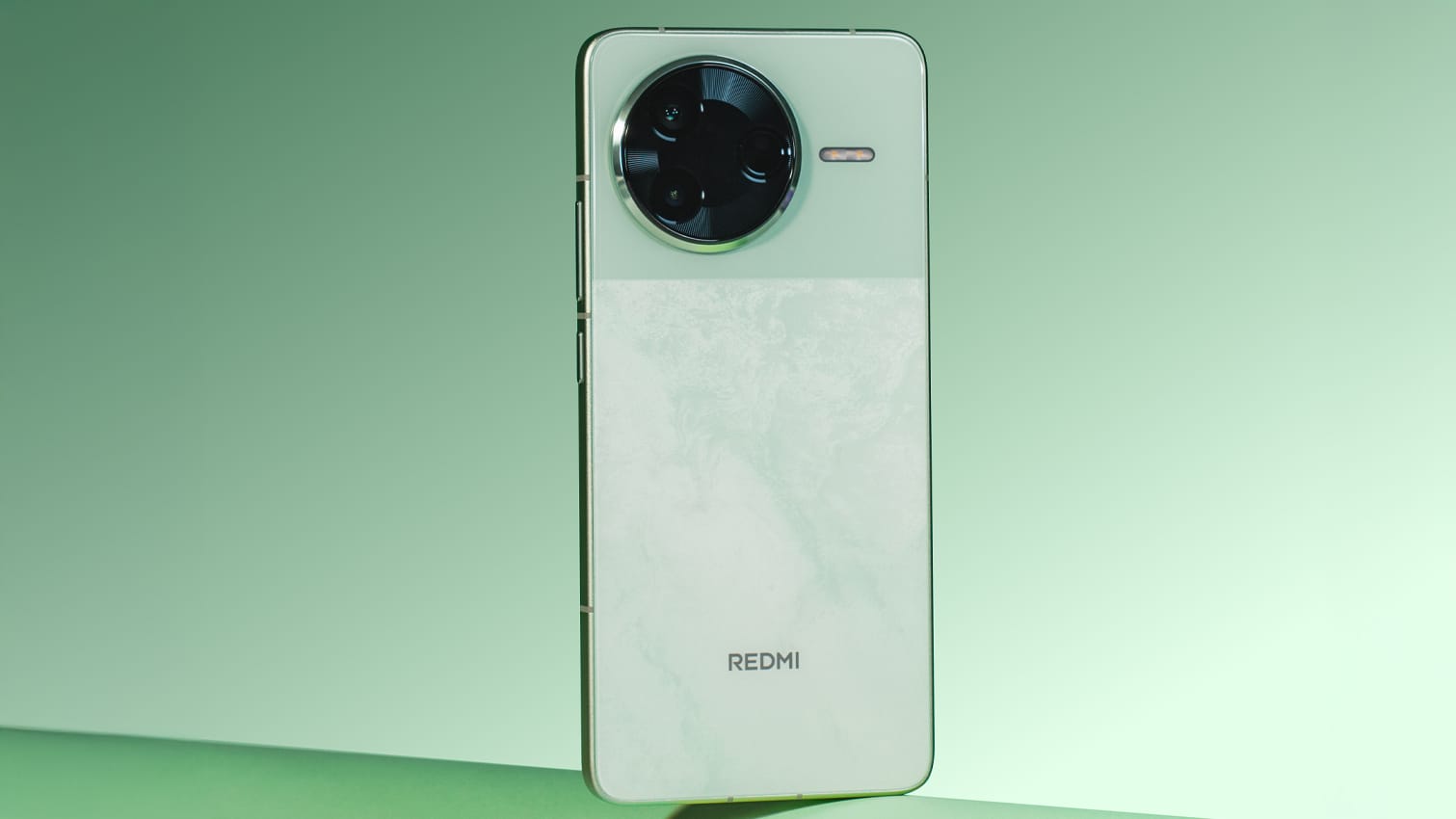
The move gives Xiaomi rare visibility into one of the most volatile parts of its supply chain, but it comes with a clear warning for buyers: the next wave of Xiaomi phones is very likely to become more expensive.
The news comes via Chinese industry outlet Aijiwei, citing Xiaomi Group president Lu Weibing. According to his comments, Xiaomi has signed a long-term, dedicated contract that guarantees sufficient DRAM and flash storage for its smartphones throughout 2026. The company has not publicly named its partners, but in practice that almost certainly means a mix of major memory suppliers such as Samsung, SK Hynix, Micron, Kioxia, Western Digital, and Chinese players including YMTC and CXMT.
Why Xiaomi is racing to secure memory
Memory has always been a cyclical business, with prices swinging wildly based on demand for PCs, phones, and servers. However, Lu Weibing stresses that the current upswing is different. Instead of being driven mainly by smartphone replacement cycles, this surge is powered by the explosion of artificial intelligence workloads and the extreme demand for High Bandwidth Memory (HBM) inside AI accelerators and data centers. As fabs prioritize these ultra-profitable chips, capacity for more conventional mobile DRAM and NAND tightens, pushing prices sharply higher across the board.
For Xiaomi, which ships tens of millions of phones a year, that volatility is dangerous. Locking in supply for 2026 is a way to reduce the risk of production bottlenecks or sudden price spikes that could derail product launches. The trade-off is that committing early often means paying a premium, especially when the market trend is clearly upward.
Higher component costs mean higher phone prices
Xiaomi has spent the past few years climbing steadily up the value ladder, introducing more premium flagship and upper-midrange devices, often loaded with large amounts of RAM and storage. That strategy gives the company more room to pass component inflation on to buyers, because customers already expect to pay extra for high-end spec sheets. Lu openly acknowledges that Xiaomi is preparing for a long cycle of elevated memory pricing, and that retail prices will reflect this reality.
We have already seen this tension play out with the Redmi K90 series. When early criticism over pricing erupted on Chinese social media, Lu argued that Xiaomi cannot rewrite the laws of the global supply chain: storage and memory quotes from suppliers had risen much faster than anyone internally projected. To calm the backlash, the company eventually introduced a 300 yuan (around 42 USD) discount on the 12GB + 512GB base version of the Redmi K90, signaling that margins were healthy enough to absorb some cuts – but not enough to avoid future hikes altogether.
AI servers now compete with smartphones for LPDDR
Adding more pressure, AI hardware vendors are increasingly turning to smartphone-class LPDDR memory for their own products. NVIDIA, for example, has started using LPDDR packages in certain AI server designs to reduce power consumption and improve efficiency. Every rack of servers that uses LPDDR is effectively drawing from the same supply pool as smartphones and tablets, leaving handset OEMs like Xiaomi to fight for capacity and pay more for every gigabyte.
Industry watchers warn that this could turn the current tightness in the memory market into an outright drought for phone makers over the next couple of years. By pre-booking its needs, Xiaomi is trying to ensure that at least its own portfolio will not be starved of RAM and storage, even if that means paying extra and nudging retail prices up.
What 2026 Xiaomi buyers should expect
For consumers, the message is nuanced. On one hand, Xiaomi’s supply deal makes it less likely that future models will quietly downgrade RAM or storage just to hit a price point. If anything, we are likely to keep seeing generous configurations such as 12GB or 16GB of RAM paired with 512GB or 1TB of storage, especially in upper-tier lines and devices like the successors to the Redmi K90. On the other hand, those specs will not come cheap. Even midrange phones may creep upward in price as memory contracts signed today filter through to retail shelves in 2026.
In the broader picture, Xiaomi’s aggressive move is a sign of where the smartphone industry is headed. As AI soaks up more and more of the world’s memory production, phone brands that plan ahead – and that are willing to accept slimmer margins or higher prices in the short term – will be the ones able to keep shipping competitive, well-specced devices. Xiaomi appears determined to be in that camp, even if it means warning fans now that the era of ultra-cheap, high-memory phones may be coming to an end.