AMD’s next wave of laptop silicon is slowly stepping out of the shadows, and the latest leak points straight at a new flagship: the Ryzen AI 9 HX 470 “Gorgon Point” APU. 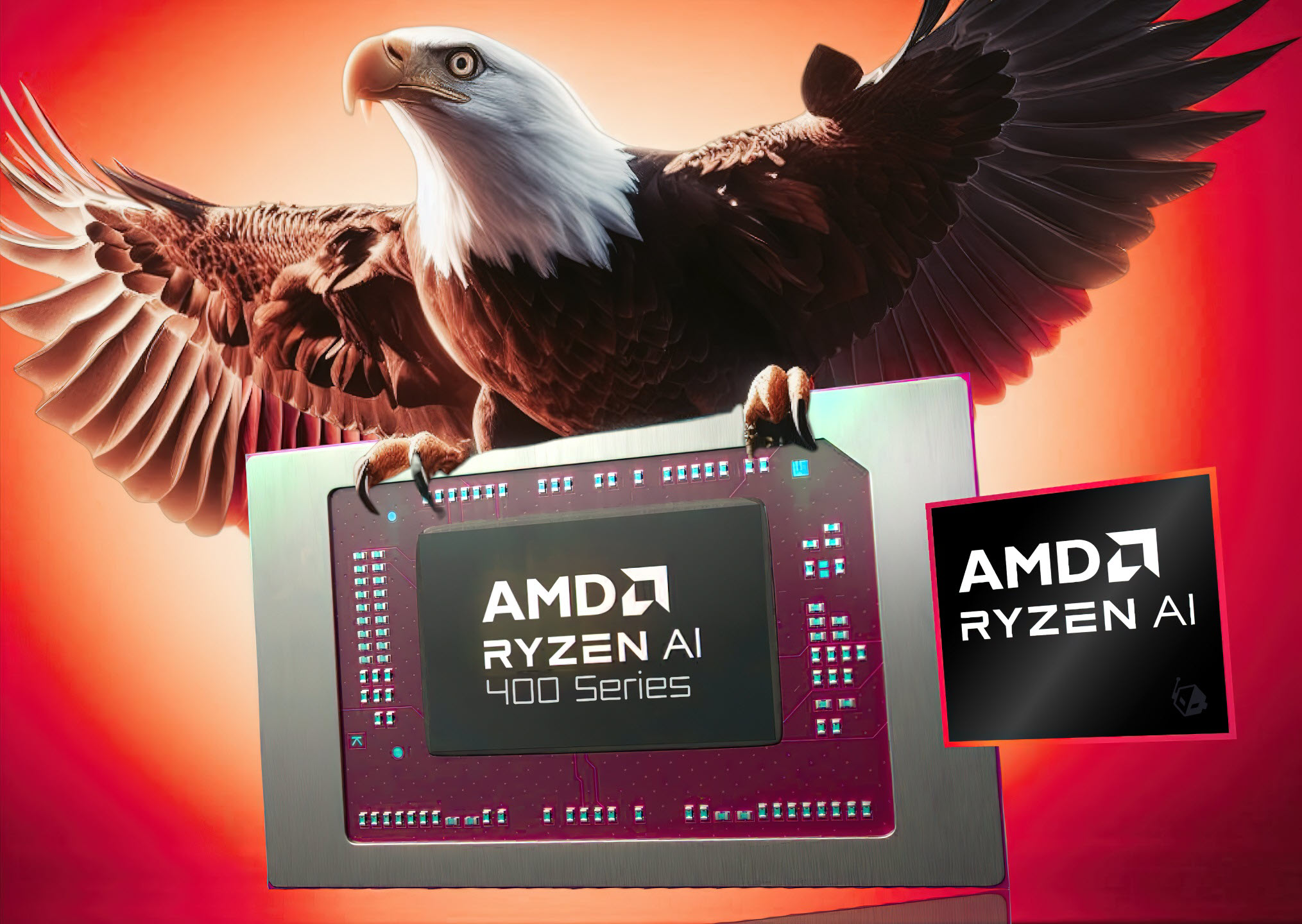
A fresh SiSoftware entry appears to confirm that AMD is preparing a refined version of its Strix Point platform, keeping the Zen 5 architecture but dialing clocks and cache up a notch for premium thin-and-light notebooks.
Back in June, a shipping manifest quietly referenced “Gorgon Point” parts, hinting that AMD had a Strix Point refresh in the pipeline rather than an entirely new design. This new SiSoftware listing lines up almost perfectly with that early information. Instead of reinventing the wheel, AMD seems focused on polishing the existing Zen 5 laptop formula and packaging it under the Ryzen AI 400-series banner for OEMs that want just a bit more performance headroom.
Ryzen AI 9 HX 470: Zen 5, 12 cores and higher boost clocks
The leaked chip is identified as the Ryzen AI 9 HX 470, clearly positioned as a successor to the Ryzen AI 9 HX 370 from the original Strix Point lineup. Core counts remain the same: we are still looking at a 12-core, 24-thread configuration built on Zen 5 CPU cores. That alone should already be more than enough for heavy multitasking, creative workloads, and AI-assisted productivity on the go.
The real change is in clock speeds. According to the SiSoftware entry, the HX 470 can boost up to 5.25 GHz, a modest but meaningful jump over the 5.1 GHz ceiling quoted for the HX 370. The base clock remains at 2.0 GHz, suggesting that AMD is squeezing extra performance out of the silicon at the top end while trying to keep power and thermals in check during everyday workloads.
Radeon 890M graphics and RDNA 3.5 iGPU
On the graphics side, the Ryzen AI 9 HX 470 once again pairs its Zen 5 CPU clusters with a Radeon 890M integrated GPU based on AMD’s RDNA 3.5 architecture. That’s the same branding we have already seen on Strix Point, so don’t expect a radical redesign here. However, OEM-specific tuning and slightly higher clocks are still possible, and the SiSoftware leak does not yet fully clarify the maximum GPU frequency for this particular sample.
Even without big architectural shifts, RDNA 3.5 iGPUs are already strong enough to handle e-sports titles, lighter AAA gaming at reduced settings, and GPU-accelerated creative tools – especially when combined with fast LPDDR5X memory. For many ultraportable laptops, this class of iGPU is what makes gaming “good enough” without needing a discrete GPU at all.
New cache layout and platform details
One of the more intriguing details in the leak is the L3 cache configuration. The Ryzen AI 9 HX 470 is listed with three 16 MB L3 slices, for a total of 48 MB of L3 cache. That layout lines up with the idea of a multi-chip module design and could give certain workloads – from large code bases to data-heavy productivity apps – a small but noticeable uplift compared with earlier Strix Point chips.
The engineering sample spotted in SiSoftware appears inside an HP EliteBook X G2a 14-inch notebook, which currently ships with Ryzen AI 9 HX 370 options. That strongly suggests that vendors like HP are already validating Gorgon Point APUs as drop-in upgrades for upcoming refreshes of their premium business and creator laptops.
Part of the wider Gorgon Point family
AMD is not building Gorgon Point around a single halo SKU. According to previous leaks, the Ryzen AI 400-series will span a fairly broad stack, with configurations going all the way down to 4-core, 8-thread chips. These will act as successors to today’s Kraken Point parts and, instead of splitting the family into multiple codenames, AMD seems ready to group them under the broader Gorgon Point umbrella.
For laptop buyers, that should mean a simpler story: Ryzen AI 400 equals Zen 5-based APUs with integrated AI acceleration, RDNA 3.5 graphics, and a mix of core counts to cover everything from ultraportables to performance-focused 14-inch machines. The HX 470 would naturally sit near the top of that stack, targeting thin-and-light systems that still need workstation-class CPU throughput.
Still a leak, not an announcement
As always with pre-launch entries in synthetic benchmarks, a dose of skepticism is healthy. AMD has not officially confirmed the Ryzen AI 9 HX 470, its final clocks, or its cache layout, and OEM firmware can change right up until retail units hit shelves. The SiSoftware listing is a strong indicator of where things are headed, but it is not a formal spec sheet.
Rumors currently point to an official Gorgon Point launch window around the beginning of next year, lining up neatly with the typical laptop refresh cycle from major vendors. If that timing holds, we can expect to see updated EliteBooks and other premium designs quietly swapping in HX 470-class silicon for a bit more performance and future-proofing.
Judging by early community chatter – yes, people are already joking about showing up “last” in the comments while they argue over boost clocks and laptop thermals – interest is definitely there. For anyone eyeing a Zen 5 notebook with strong integrated graphics and baked-in AI features, Gorgon Point looks set to turn what was already a solid platform into a more polished and competitive one, even if the changes on paper seem evolutionary rather than revolutionary.
3 comments
just praying they don’t trash battery life for a few extra mhz, my Strix Point already runs hot af in summer ☠️
If HP drops this HX 470 in an EliteBook with decent cooling I’m in, goodbye Intel for my next work laptop 😂
5.25 GHz boost on paper is cute, show me sustained clocks under a render load before I get hyped