On paper, it sounds like a contradiction. Take-Two boss Strauss Zelnick says gaming is moving towards PC and more open ecosystems, yet the biggest game of the decade, Grand Theft Auto 6, is still locked to PlayStation 5 and Xbox Series X and S at launch. 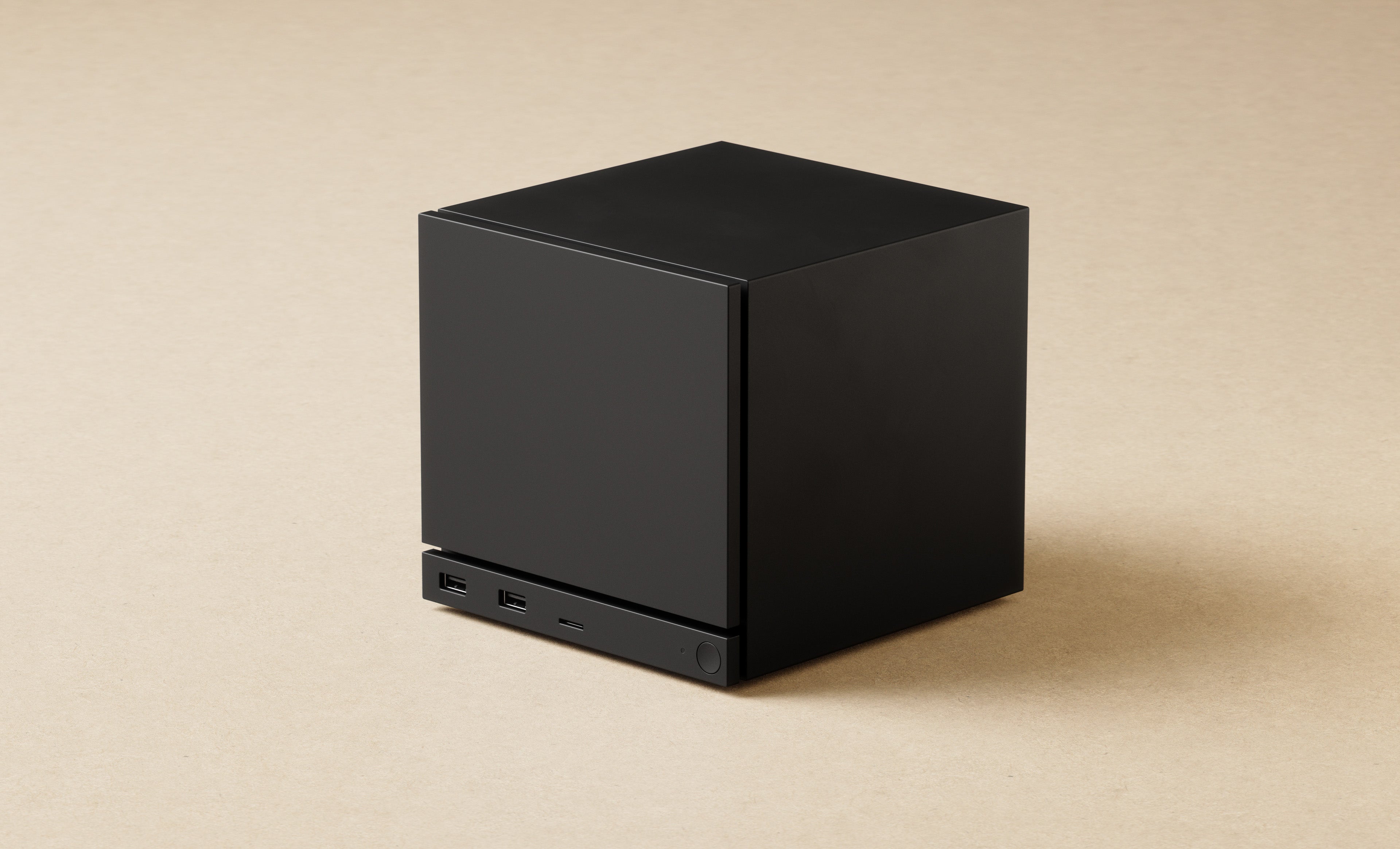
For PC players sitting next to a high end rig and a powered on console, that feels like the industry talking out of both sides of its mouth. But the truth is more complicated, and it says a lot about where gaming is really heading in the second half of this console generation.
Zelnick is not wrong when he talks about a shift towards PC and openness. What he is really describing is not a world where desktop towers suddenly replace consoles, but one where the way we access games looks more like the PC: flexible hardware, storefront choice, cross platform libraries and the expectation that you are not locked into a single walled garden. At the same time, the kind of experience people associate with consoles, that big screen, controller in hand, sit back and play for hours feeling, is still incredibly powerful. That is why he talks about console as a kind of property rather than a specific box under your TV.
PC Is Moving To The Sofa As Much As Gaming Is Moving To PC
One of the smartest counter arguments from players is that gaming is not simply moving towards the PC; PC gaming itself is moving away from the old image of a desk, a monitor and a mechanical keyboard. Over the last few years, PC has quietly been turning into console like experiences. Steam Deck blurred the line first, shrinking PC libraries into a handheld. Now Valve is pushing even harder with a new living room focused Steam Machine, a gaming PC wrapped in a cube like shell, running SteamOS and designed to be as plug and play as possible.
Valve’s engineers are very clear about how they see this device. As far as they are concerned, the Steam Machine is just another PC in a huge ecosystem of gaming PCs. It is not a console in the traditional sense, but it aims to occupy the same physical and mental space as a console: under the TV, turned on with a controller, used by people who do not want to think about drivers or frame rate tuning. It is PC power wrapped in console style frictionless access, and that is exactly the direction a lot of players have been hoping for.
For years, enthusiasts have been cobbling together small form factor PCs that pretend to be consoles. Valve is trying to turn that hobbyist niche into a mainstream product. If you can buy a box that plays your Steam library, runs a familiar console like interface, and never asks you to touch a Windows desktop unless you really want to, it stops feeling like a stretch to say that PC gaming is evolving into something console adjacent rather than replacing consoles outright.
Xbox Wants To Be A PC That Pretends To Be A Console
Microsoft is arguably even more open about blurring this line. The next Xbox is widely reported to be a console and PC hybrid, a machine that can act like a traditional Xbox but also boot into Windows and behave like a regular computer. According to leaks and reporting, that means players would be able to jump from the Xbox environment into a Windows desktop, open Steam or Battle.net, and play PlayStation titles that have PC ports, alongside Blizzard and Riot games that live in their own launchers.
When Microsoft gaming boss Phil Spencer publicly welcomed Valve’s Steam Machine announcement, he framed it as part of a bigger philosophy. Gaming, he said, moves forward when both players and developers have more ways to play and create across open platforms. That is not the language of a company desperate to trap you in a single marketplace; it is the language of a publisher that wants you to buy its games wherever you happen to be playing that month, on Xbox, Steam, handheld or TV app.
Satya Nadella has already spelled out the logic. For Microsoft, the biggest gaming business is still Windows, not Xbox hardware. After the Activision deal, the company sees itself as a giant third party publisher with a strategy similar to Office: be everywhere, on every platform that matters. In that worldview, the console is an opinionated, optimised PC that lives in the living room, not a self contained island.
Consoles Are Not Dying, They Are Just Losing Their Walls
If all of this sounds like the long predicted death of consoles, veterans will probably roll their eyes. We have been hearing that consoles are doomed for well over a decade. Every time a new box launches or a new streaming service appears, somebody declares it the final generation. Yet hardware from Sony, Microsoft and Nintendo keeps selling in the tens of millions, and people keep buying that simple rectangular promise: plug it in, insert game, it works.
That appeal is stubborn. There will always be a huge audience that just wants a basic box that plays Fortnite, GTA, a couple of sports games and whatever their friends are talking about. They do not want to think about GPU drivers, shader compilation stutter or in game graphic sliders. They want predictable performance, familiar controllers and games that are guaranteed to work out of the box. As long as that audience exists, something that looks and behaves like a console will exist too, whether you call it an Xbox, a PlayStation, a Steam Machine or something entirely different.
That is what Zelnick was fumbling towards when he talked about defining console as a property, not a system. Stripped of corporate phrasing, what he seems to mean is that the console experience is bigger than the physical box. It is the idea of large scale cinematic games built to be consumed on a TV with a controller, with long sessions and heavy production values. That category of game, he argues, is not going anywhere even if the underlying hardware gets more PC like or more cloud based.
GTA 6: The Biggest Game On Earth Still Skipping PC At Launch
All of this raises the obvious question: if gaming is drifting towards PC and openness, why is GTA 6 still launching as a console exclusive, at least for a while, and why does that delay keep stretching further away from PC owners with every push back? The new release window of November 2026 already has many players bracing for a PC version to arrive in late 2027 or even 2028.
Rockstar’s track record offers some clues. Historically, the studio has been in no rush to bring its biggest titles to PC on day one. Grand Theft Auto 5 took its time to show up, and Red Dead Redemption 2 also arrived later on PC after its console moment. There are business reasons for that. Launching first on two tightly controlled platforms lets Rockstar polish, patch and stabilise the game in a more contained environment. It also allows publishers to capture that first wave of hype at full price before later exploiting a second wave on PC with upgraded editions, extra options and technical improvements that PC players expect.
But there is also a growing sense of frustration. When you have a high end PC with a cutting edge GPU sitting next to a console, it feels bizarre to be told you have to play a heavily compromised console version while your rig waits patiently. Some players have already written off the console launch entirely. One common sentiment is that there is no point buying GTA 6 on PS5 when you have a 40 series PC in the same room. Others are flat out more interested in a hypothetical Red Dead Redemption 3 than another trip to Vice City, and are happy to wait until Rockstar meets them on their preferred platform.
Jokes are already flying that the latest delay is really about lining the game up with Valve’s Steam Machine window, turning the PC release into a marketing event for that hardware. That is almost certainly not the actual strategy, but it speaks to how strongly players now associate the future of big budget gaming with PC style devices in the living room. Even the wild rumour mill about Half Life 3 somehow appearing as a launch game for Valve’s new box is less about believing the rumour and more about imagining the symbolic weight a killer exclusive like that would carry.
Sony, Xbox And The PC Release Debate
Underneath all this sits an unresolved argument about how quickly platform holders should embrace day and date PC launches. Once Sony and Microsoft started putting their games on PC, many people considered traditional consoles redundant, especially as those same games began running surprisingly well on Steam Deck and other handheld PCs. If you can buy a single box that plays most major releases without needing constant tinkering, why own multiple consoles that do similar things with slightly different exclusive lineups.
Reality has been messier. Sony has experimented with delayed ports, waiting a year or more before bringing blockbuster releases to PC. That delay protects hardware sales and helps maintain the prestige of owning a console. At the same time, waiting too long leaves money on the table from players who have migrated their wallets entirely to Steam. Some fans even suspect Sony might slow down ports again to keep PS5 more attractive during the long tail of its life, though nothing is official.
Microsoft, meanwhile, leans into the idea that its games should be available everywhere, even if that means day and date on PC and console. Game Pass on Xbox and PC quietly reinforces the idea that you are not buying hardware so much as subscribing to an ecosystem. That is why the idea of an Xbox that behaves like a PC under the hood makes so much sense. For Microsoft, getting you to play its games on the device you already own is preferable to losing you to another store entirely.
Windows, Linux And The Battle For The Open Box
There is another layer to the PC tilt that rarely makes headlines but absolutely shapes player feeling: the operating system itself. Many PC gamers have a love hate relationship with Windows. It is still the default for most big games, and services like Game Pass make it hard to ignore. Yet the platform often feels bloated, full of data collection, preinstalled apps and background tasks nobody asked for. Some players describe it as a necessary evil they only boot into when they have to.
Linux and SteamOS have quietly become the alternative vision. Thanks to Proton and massive compatibility work from Valve, a huge share of Steam’s library now runs on Linux based systems without the user ever touching a terminal. For players who have a dual boot setup, Windows becomes the backup plan for stubborn titles, while Linux or SteamOS offers a cleaner, more console like front end that boots straight into full screen gaming mode. If Valve can ship a living room ready Steam Machine at a competitive price, it reinforces the idea that you can have the convenience of a console while avoiding the overhead of modern Windows.
That resonates strongly with people who are tired of their gaming machine feeling like an ad platform. The dream is a simple box that hides all the complexity but still gives you the flexibility to install mods, choose storefronts and tweak performance when you feel like getting into the weeds. A Steam Machine that ships in 2026 into a world already primed by Steam Deck could be the closest we have come to that dream on a mass market scale.
The Long View: Ten Years Of Hybrid Gaming
So where does all this leave the so called console versus PC war. In practice, the fight is slowly being replaced by a hybrid truce. PC gaming is borrowing the best parts of console design: standardised hardware profiles, consistent interfaces, controller first UI and low friction updates. Meanwhile, consoles are steadily absorbing PC like openness: support for mouse and keyboard, cross play, cloud saves that follow you across platforms and more frequent PC ports of previously locked down exclusives.
In ten years, it is easy to imagine an average household with three main ways to play: a simple living room box or app on the TV, a handheld device that looks like a slightly chunkier Switch and a general purpose PC, laptop or cloud screen that handles work and some games. Underneath, the boundaries between them will be more about how and where you are playing than hard platform lines. Whether GTA 6 eventually lands on Steam with full modding support or arrives inside a curated Rockstar launcher, the real win for players will be being able to carry their progress between devices without thinking about it.
For now, though, the tension remains. Execs talk about openness while their biggest releases still prioritise closed launches. PC enthusiasts roll their eyes at yet another timed console exclusive while simultaneously buying living room style PC boxes that look suspiciously like consoles. Fans argue in comment sections about whether consoles are already obsolete or whether PC has been losing ground to polished living room experiences for years. Somewhere in the middle, millions of people quietly power on whatever box they own and just play Fortnite, GTA Online or a cosy indie game after work.
That is the final irony in this debate. Gaming is both moving towards PC and away from it, evolving and staying the same, depending on which slice of the audience you look at. GTA 6 launching on consoles first does not disprove the shift towards open, PC like ecosystems; it just shows how cautious giant publishers remain when hundreds of millions of dollars are on the line. The Steam Machine, the next Xbox and whatever Nintendo is cooking up will not kill the console or the PC. Instead, they will blur the lines until the only thing that really matters is how fast you can get from your sofa to your favourite game, no matter which logo lights up when you press the power button.
2 comments
That line about defining console as the property not the system still sounds like pure corporate word salad to me. Just say people like sitting on a couch playing big games on a TV and move on dude
Completely forgot GTA 6 was console only at launch until this reminded me lol. Zero chance I buy it on my PS5 when I have a monster PC right next to it. I’ll just wait for the PC version and hope they dont butcher performance like last time