Veteran Springfield background character Alice Glick has finally played her last hymn. In the new Simpsons episode Sashes to Sashes, the elderly church organist collapses at the keyboard she has quietly occupied for decades, and this time the show runners insist it is not a gag, not a dream and not a Halloween fake out.
Who was Alice Glick
For many casual viewers, Glick was one of those faces you recognise but cannot quite name: the white haired parishioner hunched over the First Church of Springfield organ, a neighbour in crowd scenes, an extra aunt at school concerts. She first appeared back in season 2 in 1991, and over 34 years she drifted in and out of episodes, the sort of bit player that made Springfield feel like a real small town with its own elders and regulars.
A rare truly permanent death
Co executive producer Tim Long has confirmed that this time the character is gone for good. 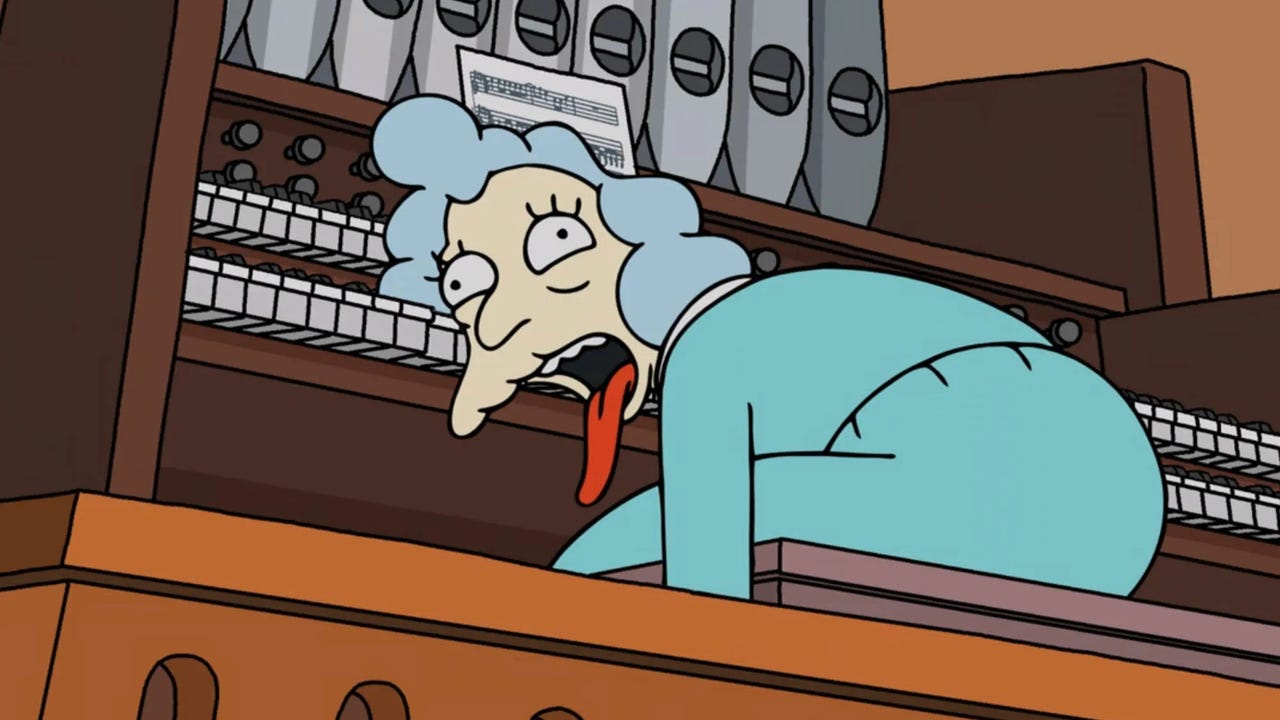
In interviews he has framed it in bittersweet terms, suggesting that the music she played will keep her spirit in the series even while the character herself is, in his words, as dead as any doornail in the church door. In an era when animation happily reboots, recons and resurrects at will, The Simpsons is drawing a firm line under one of its senior citizens.
Canon chaos and past fake outs
For fans who obsess over continuity, that clarity matters, because Alice has technically died before. In the 2011 episode Replaceable You she was dispatched by a robot pet and briefly glimpsed in heaven, only to wander back into later seasons as if nothing had happened. The fan run Simpsons wiki now files that particular demise under the non canon heading, a reminder of how bendy the shows reality becomes whenever a punchline demands it.
The question of what counts as real in Springfield has grown louder recently. Earlier this year the series staged a much publicised death of future Marge in an episode set years ahead of the present timeline, sparking arguments about whether any of it should be treated as canon. Some viewers drew up lists of characters who have stayed dead, from Maude Flanders to teacher Edna Krabappel and barfly Larry, while co showrunner Matt Selman pushed back, calling the whole idea of a rigid Simpsons canon a paradox and insisting that the writers will keep doing whatever is funniest.
Fans react, from memes to eye rolls
Online, news of Alice Glicks definitive exit has produced a mix of nostalgia, shrugs and elaborate memes. Long time watchers shared screenshots of her at the organ, joking that she spent so long playing hymns she must already have been living in the garden of Eden. Others admitted they had to search her name and described the headlines as breathless breaking news about a character they barely remembered. There are also the weary posts calling it clickbait drama for a show they claim is limping toward its fortieth season, even as they keep tuning in to see what happens next.
One detail that fans largely agree on, though, is that making this a regular present day episode gives the death extra weight. It is not a Treehouse of Horror free for all and not a hypothetical future, so there is no easy narrative trap door to bring Alice back. Within the world of Springfield, the church has lost its organist, and that absence will linger in crowd shots and Sunday services, even if most viewers only notice it subconsciously.
New faces in the family
Sashes to Sashes does not only take someone away; it also quietly adds to the family tree. The same episode introduces Marge Simpsons previously unmentioned aunt Beatrice Bouvier, voiced by Carrie Coon, folding a new relative into the sprawling Bouvier clan. It is a very Simpsons move to let one storyline deal with mortality while another expands the cast, balancing loss with a fresh face who can fuel jokes and stories for years to come.
A small goodbye in a very long show
In a series that has now reached its 37th season, those background figures matter more than casual viewers might think. Characters like Alice Glick, with only a line here or a cutaway there, give Springfield its texture and its sense of time passing. Retiring her for good is a reminder that even in a cartoon where nobody seems to age, the writers occasionally choose to acknowledge change, frailty and endings.
Whether you see the decision as heartfelt storytelling or one more headline grab for a series some critics insist is past its prime, the death of Alice Glick crystallises what The Simpsons has become. It is a long running comedy that refuses to be boxed in by strict rules of canon, that can declare past deaths non events while insisting this one is permanent, and that still finds space to make people argue about the theology of a cartoon church organist. Three decades in, Springfield is still unexpectedly capable of genuine goodbyes.
1 comment
Every time they say canon my brain just goes its a cartoon, let the old lady rest and move on people