For more than half a decade, Desmond Miles was the face of Assassin’s Creed, the reluctant bartender turned modern assassin who dragged players through the series strange blend of historical adventure and sci fi conspiracy. That is why it still feels surreal to hear Nolan North, the voice behind Desmond, admit that he did not even realise he was recording the character’s death in Assassin’s Creed 3 until fans on social media told him after launch.
Speaking on the Fall Damage podcast, North recalled wrapping what he thought was just another intense scene, only to open Twitter on release and see people asking if he was upset that Desmond was dead. 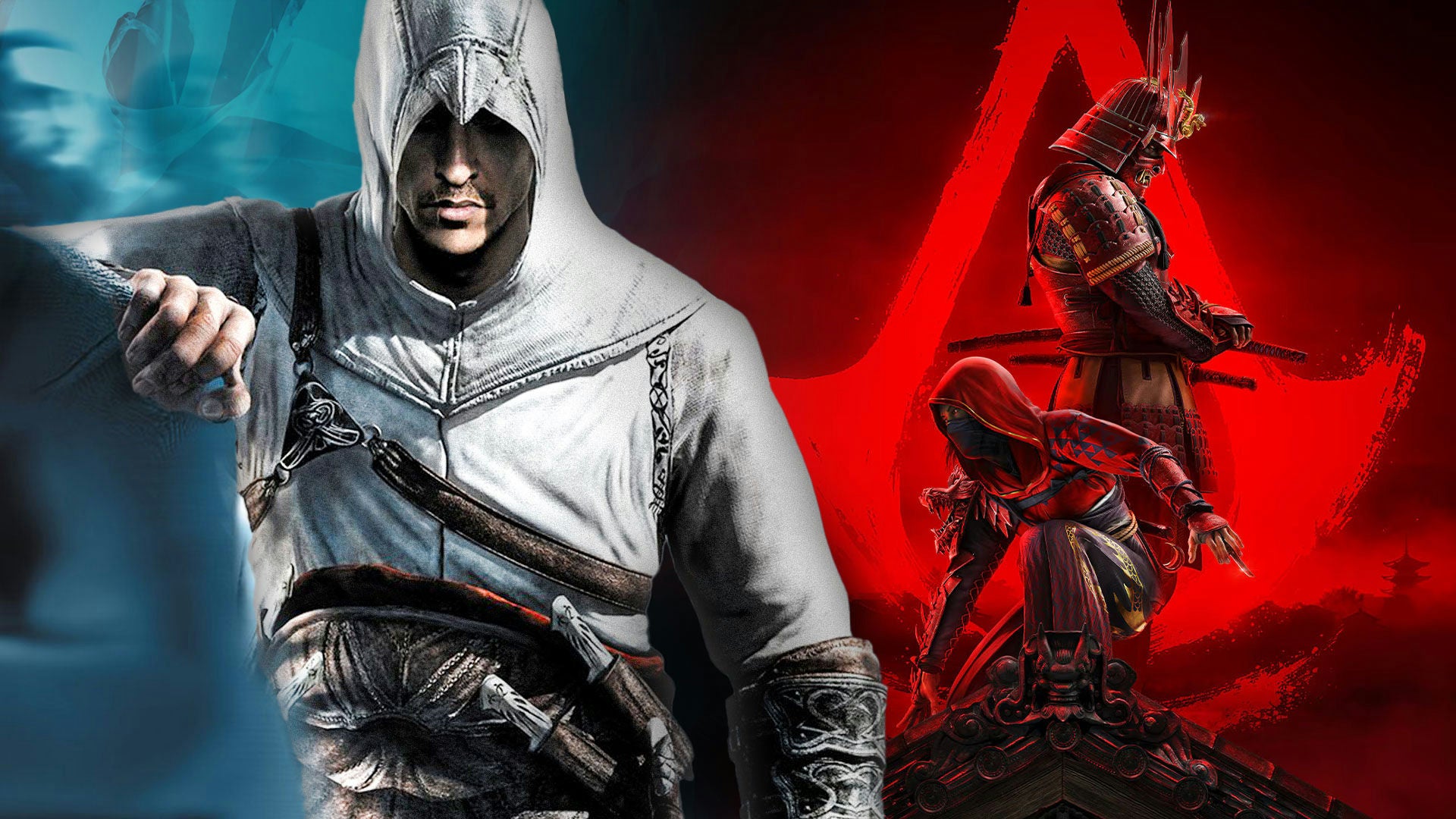
In his memory there had been no dramatic scream, no drawn out farewell speech, none of the usual signposts of a blockbuster hero’s final moment. Desmond walks into an ancient device, makes a sacrifice to stop a global catastrophe, collapses, and that is it. Credits roll. No wonder even the man playing him did not immediately clock that this was supposed to be goodbye.
That ambiguity has hung over the fanbase ever since. The scene in Assassin’s Creed 3 is abrupt and oddly staged, and many players finished the game convinced there had to be some twist coming later. Some expected a reveal in Black Flag that Desmond had survived and was operating from the shadows. Others doubted Ubisoft would ever really kill off the only modern protagonist they had spent years building up across multiple games. Instead, the next wave of titles pivoted hard away from him, and for a lot of people that was where their emotional investment in the overarching story quietly ended.
Behind the scenes, the plan had apparently been far more ambitious. North has said he was told early on that Ubisoft originally imagined eight or nine games following Desmond’s journey, with the modern day story gradually evolving into a full contemporary Assassin’s Creed adventure. Players daydreamed about finally sprinting and free running across real world skyscrapers, taking all the skills learned inside the Animus into a present day finale. That version of Assassin’s Creed never materialised. New creative leads rotated in, priorities shifted, and the modern storyline was reshaped again and again in an effort to make each new entry easier for fresh players to pick up without knowing years of lore.
For some fans, that shift was a blessing. Not everyone loved Desmond or the long stretches spent wandering through sterile labs and tech offices between those lush historical sequences. Plenty of people would happily have traded every modern interlude for more time with Ezio, Connor, or Edward on the high seas. One common complaint is that the conspiracy material was only ever really sharp in the first game, where it felt like a strange secret hidden beneath the hooded assassins. The more Ubisoft tried to expand it, the more it risked slowing down the part of the series most players actually bought the games for.
Others felt completely differently. For them, the metaplot, the First Civilization lore, and Desmond’s slow transformation from confused bartender to fully trained assassin were what made Assassin’s Creed more than just a string of disconnected historical sandboxes. Killing him off in a brief, awkward sequence felt like Ubisoft throwing away years of build up. Many players still argue that the overarching narrative was sacrificed so the franchise could keep spinning out new settings indefinitely, rather than pushing toward a clear conclusion.
Ubisoft’s eventual answer was to trim the modern framing down to the bare essentials. Recent entries push players almost immediately into the past, using brief first person segments and scattered emails or audio logs to nod at the contemporary plot. A recent report even suggested that the widely rumoured Assassin’s Creed Black Flag remake may remove its modern sections altogether and reinvest that time into richer seventeenth century pirate content instead. For fans who never cared about Desmond, that sounds like common sense, as long as the trade off is more meaningful quests, better cities, and deeper historical characters. For everyone still attached to the original arc, it is another reminder of a story that stalled just before its biggest punchline.
Then, years after Desmond’s supposed death, Assassin’s Creed Valhalla quietly changed the conversation. In that game’s finale, Nolan North returns to the series as a mysterious figure known only as the Reader, a presence that exists inside the Animus itself. Valhalla strongly implies that the Reader is Desmond’s consciousness, preserved as data and now guiding others through the timestream rather than inhabiting a living body. According to North, Ubisoft has confirmed to him that this is indeed Desmond, which is why he now describes the character as technically still alive, even if his physical form was left on the floor at the end of Assassin’s Creed 3.
It is a very Assassin’s Creed kind of solution. The body dies, but the mind lives on in a machine built to replay the memories of the dead. For fans who always felt AC3 handled Desmond’s exit in a clumsy way, this digital afterlife offers a strange sort of belated closure. It retroactively explains why his death never landed with the emotional weight of Ezio’s final moments or Connor’s hardest choices. Instead of a clean ending, we were watching a messy transition into another kind of existence that the games were not ready to explore yet.
That does not erase the frustrations of players who feel the overarching story lost its way. The tantalising idea of a full modern day Assassin’s Creed finale starring Desmond has become one of gaming’s favourite what if scenarios, brought up in forums and comment sections every time a new title is announced. Some longtime fans insist that if Ubisoft ever committed to a confident, present day stealth adventure built around Desmond’s surviving consciousness, it would tempt them back after years away. Others say the series is better off leaving the real world as a light frame around the historical playgrounds, especially now that the lore is dense enough to intimidate newcomers on its own.
Somewhere in the middle sits a quieter group who enjoy bits of both sides. They might roll their eyes at the more convoluted First Civilization jargon, while still appreciating the small character beats, like Desmond’s strained relationship with his father William, voiced by veteran actor John de Lancie. They may not miss wandering around an office in first person, but they also remember the thrill of slowly realising that the Animus was not just a menu, it was part of a larger mystery. For them, Valhalla making Desmond into a ghost in the machine feels like a compromise that at least honours his role in building the universe.
At the centre of all this is Nolan North himself, who has gone from unknowingly recording Desmond’s demise to quietly returning as his echo inside the code. He has described Assassin’s Creed as one of his favourite stories to work on, and that affection shows when he talks about the character’s strange fate. Whether Desmond ever escapes the Animus again or remains a disembodied guide, his half death and half survival now perfectly mirror Assassin’s Creed as a whole, a series forever caught between past and present, experimenting with different futures depending on who is holding the creative dagger at any given moment.
3 comments
Just replayed AC3 this year, still do not get why he had to die but the First Civ stuff at the end is actually cool as hell
Why would any of the actors remember all this anyway, the story turned into the same sci fi babble over and over lol
ngl kind of salty I only found out he dies from stuff like this, like thanks for the super late spoiler guys