After a decade and a half of building virtual metropolises together, Colossal Order and Paradox Interactive are officially going their separate ways. The studio that created Cities: Skylines is stepping away from the franchise entirely, while Finland-based Iceflake Studios will become the new caretaker of the city-building series under the Paradox publishing umbrella. 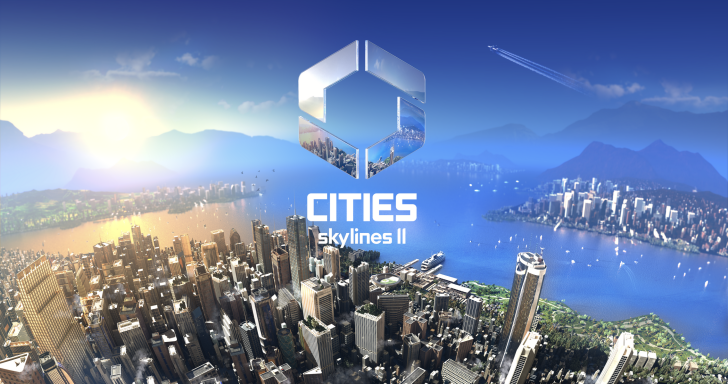
It is a major reshuffle for one of PC gaming’s flagship management sims and a moment that has left the community feeling equal parts nostalgic, anxious, and cautiously hopeful.
For many players, Colossal Order is Cities: Skylines. The partnership with Paradox started long before the first game exploded in popularity, but 2015’s Cities: Skylines turned a relatively small Finnish studio into a household name among strategy fans. It became the de facto alternative to the stagnating SimCity brand, a playground for modders, and a platform that kept growing through expansions, creator packs, and an endless stream of workshop content. The idea that the original creators are now walking away from the franchise feels almost surreal.
Yet behind the scenes, the situation has been tense ever since Cities: Skylines 2 launched in 2023. The sequel arrived with big promises and heavy system requirements, but shipped in a state that many fans immediately labeled as unfinished. Performance drops, CPU spikes, stutters, simulation quirks, and missing quality-of-life features made it hard to enjoy even for players with powerful rigs. The user rating on Steam has hovered around a mixed verdict, reflecting a community split between those who see potential and those who feel burned.
Colossal Order spent the years after launch in crisis mode: patching performance, reworking systems, delaying DLC, and publishing roadmaps that were supposed to rebuild trust. Some issues improved, but for many players, the game never quite reached the level of polish and depth they expected from a sequel to one of the most beloved city builders ever made. In community discussions, a recurring theme has been frustration with the underlying tech: engine tools that were meant to optimize the game allegedly never matured, leaving the studio locked into a pipeline that was expensive to fix and painful to maintain.
It’s against this backdrop that Paradox and Colossal Order announced their mutual decision to part ways. In a lengthy forum post, Paradox framed the move as a carefully considered step designed to give Cities: Skylines the best possible future. Colossal Order, for its part, emphasized that it wants to take the experience it has gained over the past fifteen years and apply it to entirely new projects and creative directions. Both sides went out of their way to stress that there is no public drama, only a desire to start fresh.
Paradox leadership highlighted just how significant the partnership has been: four games, dozens of expansions, and a community of millions across PC and console. From the publisher’s perspective, the franchise is far too important to abandon, even if the transition has to happen in the middle of a turbulent sequel cycle. The message to players is that Paradox is committed to continuing development, delivering new content, and trying to restore confidence in the series.
That responsibility will now fall on Iceflake Studios, another Finnish team under the Paradox umbrella. Iceflake has experience in building and management games and, according to studio head Lasse Liljedahl, considers stepping into the role of main developer on Cities: Skylines an “immense honor” and a serious obligation. In their statement, Iceflake talks about a strong foundation that still has “huge potential waiting to be unleashed” and promises to approach the franchise with humility and respect for the long-time players who stuck with it through the rocky sequel launch.
The handover will not be immediate. Colossal Order continues to work on Cities: Skylines 2 throughout the remainder of 2025, with several planned updates still on the schedule. During this period, the team will also collaborate with Iceflake to document systems, transfer knowledge, and smooth out the transition. The goal is that when Iceflake fully takes over in 2026, it will be able to move quickly without spending years just figuring out how everything fits together.
One of Iceflake’s first major responsibilities will be the console version of Cities: Skylines 2, which is still missing in action. Despite the change in developer, Paradox has not announced any additional delay, nor has it committed to a firm launch date. For console players who have been waiting since 2023, that uncertainty will be frustrating, but it is arguably better than launching another version of the game in a compromised state. If Iceflake can use this time to stabilize performance and streamline the simulation for console hardware, it might yet turn into a redemption story.
What this means for the future of the franchise depends on who you ask. For some fans, the damage is already done: they see Cities: Skylines 2 as a sprawling technical mess that can never fully escape its engine limitations. For others, the change in stewardship feels like the clean break the series needed. A new studio brings fresh eyes, different production habits, and perhaps a less emotionally drained team than the one that has been firefighting since launch day.
There is also the question of how Iceflake will handle the tone and philosophy of the series. Colossal Order’s design style leaned heavily into systemic simulation and modder freedom, even when that meant chaotic performance and complex balancing challenges. Iceflake might prioritize stability and performance first, which could mean tighter systems, more deliberate DLC, and a more curated experience overall. That could be exactly what some players want and a disappointment to others who loved the wild, open-ended feel of the original.
From a broader industry perspective, the split underlines how difficult and risky ambitious simulation games have become. Higher expectations for visuals, deeper systems, and complex AI all collide with engine constraints and the realities of long-term live support. When a project runs into technical debt, no amount of post-launch patching can fully erase the scars. Sometimes, as we are seeing here, publishers decide that the best way forward is to bring in a new team rather than endlessly patch the old one.
For Colossal Order, this is the end of one chapter and the beginning of another. The studio leaves behind a legacy of city-building that shaped an entire genre, but it also carries the lessons of a painful sequel launch. Whatever it announces next will likely be watched closely by fans who still respect what the studio achieved, even if they felt let down by Cities: Skylines 2. If Colossal Order can launch a new project with a more stable technical foundation, it has a chance to redefine itself once again.
As for players still living in their digital cities, the message is simple but not guaranteed: the franchise is not dead, it is changing hands. Whether Iceflake can stabilize the present, finish the console version, and then build a truly compelling next chapter will determine if Cities: Skylines remains the king of the genre or becomes a cautionary tale about ambition, technology, and the limits of post-launch rescue.