Samsung’s next wave of flagships, the Galaxy S26 trio, is already stirring debate long before launch – and it is not about cameras or design this time, but about how much RAM and storage buyers will actually get for their money. A fresh leak sketches out the full memory matrix for the Galaxy S26, S26+ and S26 Ultra, and it reveals a familiar pattern: Samsung is playing it safe in most markets, while quietly turning up the specs where competition is fiercest.
According to the leak, both the Galaxy S26 and Galaxy S26+ will ship in just two configurations: 12 GB of RAM paired with either 256 GB or 512 GB of storage. 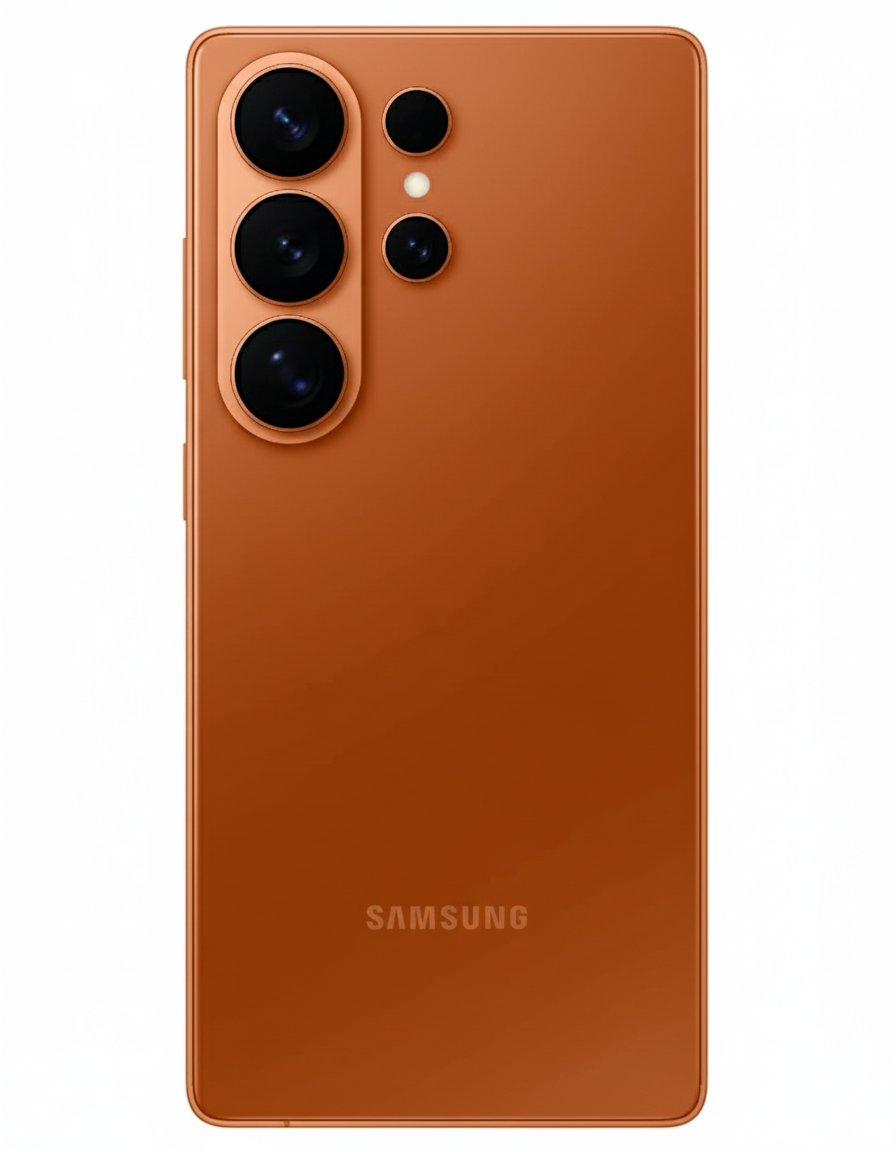
That means no 8 GB base model to drag down the experience, but also no 1 TB option for people who like to hoard photos, games and 8K video. In effect, Samsung seems to be declaring that 12 GB of RAM is the new default for its non-Ultra flagships and that 256 GB is the real starting point for internal storage in 2025.
The Galaxy S26 Ultra, as usual, is where things become more interesting. The leak claims that most regions will see three standard options: 12 GB RAM with 256 GB, 512 GB or 1 TB of storage. On paper that looks generous, especially compared with older Ultras that used to keep 1 TB for only the most expensive variants. But there is a twist: in a handful of specific markets, the 1 TB S26 Ultra will reportedly ship with 16 GB of RAM instead of 12 GB, turning it into a clearly superior top tier that power users will be eyeing closely.
China is the clearest example of that strategy. Local Android brands there have made 16 GB – and sometimes even more – standard on their halo devices, and launching a 12 GB Ultra against those phones would make Samsung look behind the curve. Matching them with a 16 GB/1 TB configuration on their home turf is a defensive move: Samsung keeps pace with spec sheets that are already crowded with big numbers, while still limiting the cost of those high-end components in regions where its brand remains strong enough to sell a 12 GB Ultra at a flagship price.
That split is exactly what is fueling arguments among fans. For casual users, 12 GB of RAM really is more than enough: you can bounce between social apps, camera, browser and a couple of games without seeing a hiccup, and most people do not keep dozens of heavy apps open in the background. But there is a growing camp of buyers who look at seven years of promised OS and security updates and want extra headroom. As Android gets heavier, camera systems capture ever larger photos and AI features chew through resources, 16 GB starts to look like a way to keep the phone feeling fast on its sixth or seventh software update instead of turning sluggish.
Storage is an even hotter topic. The Ultra line has effectively been stuck at a 1 TB ceiling on mainstream models since the late 2010s, while the size of files has exploded. A few minutes of 8K video can swallow tens of gigabytes, modern games occupy console-level space, and people who shoot RAW photos or download offline media quickly see their storage graph turn red. Many enthusiasts argue that a phone that costs around a thousand dollars should start at 1 TB with an option for 2 TB, not ask for a hefty extra fee just to avoid deleting old memories every few months.
That criticism hits harder because Samsung is one of the world’s largest memory chip makers. Fans see a company that physically produces NAND and RAM in huge volumes, yet still sells 1 TB upgrades at a steep premium and refuses to push 2 TB into the mainstream. Add in long-running complaints about removing chargers from the box, abandoning the 3.5 mm headphone jack and being conservative with charging speeds, and it is easy to understand why some commenters say they are ready to jump to brands that offer 16 GB of RAM and 1 TB or more even in upper midrange phones.
To Samsung’s credit, the components it is using are not slow. The entire Galaxy S26 range is rumored to rely on LPDDR5X RAM rated at 10.7 Gbps, offering faster bandwidth and better efficiency than older generations. That should help with everything from rapid-fire burst photography and high frame rate gaming to on-device AI tasks that increasingly run directly on the phone. A well-optimized system with 12 GB of fast LPDDR5X can still feel smoother in daily use than a poorly tuned 16 GB device running bloated software.
The real question is how these choices will age. If Samsung is serious about extended software support, then future-proofing matters more than ever. Buyers who keep their phones for four or five years will care less about a small difference on day one and more about whether their Galaxy S26 still flies when Android and One UI have gained several generations of new features. That is where a 16 GB Ultra worldwide – or even a 2 TB storage option – could have turned this leak into an undisputed win instead of a polarized talking point.
For now, the Galaxy S26 family is still only a set of credible leaks, with launch rumors pointing to a February unveiling. Between now and then, Samsung could still tweak its regional strategies, add a special edition or align RAM tiers more closely across markets. But even if the specs stay exactly as leaked, the S26 story already captures a broader tension in the smartphone world: the clash between spec-sheet bragging rights, real-world needs, and the feeling that top-tier phones should finally stop cutting corners on memory and storage in 2025.
1 comment
We have been stuck at 1TB for ages while 8K clips and big games eat storage in no time, 2TB should be normal on Ultras by now, not some fantasy number