Apple may be preparing one of its strangest and most interesting iPhone accessories yet: touch-sensitive cases designed specifically for future iPhone Pro models. 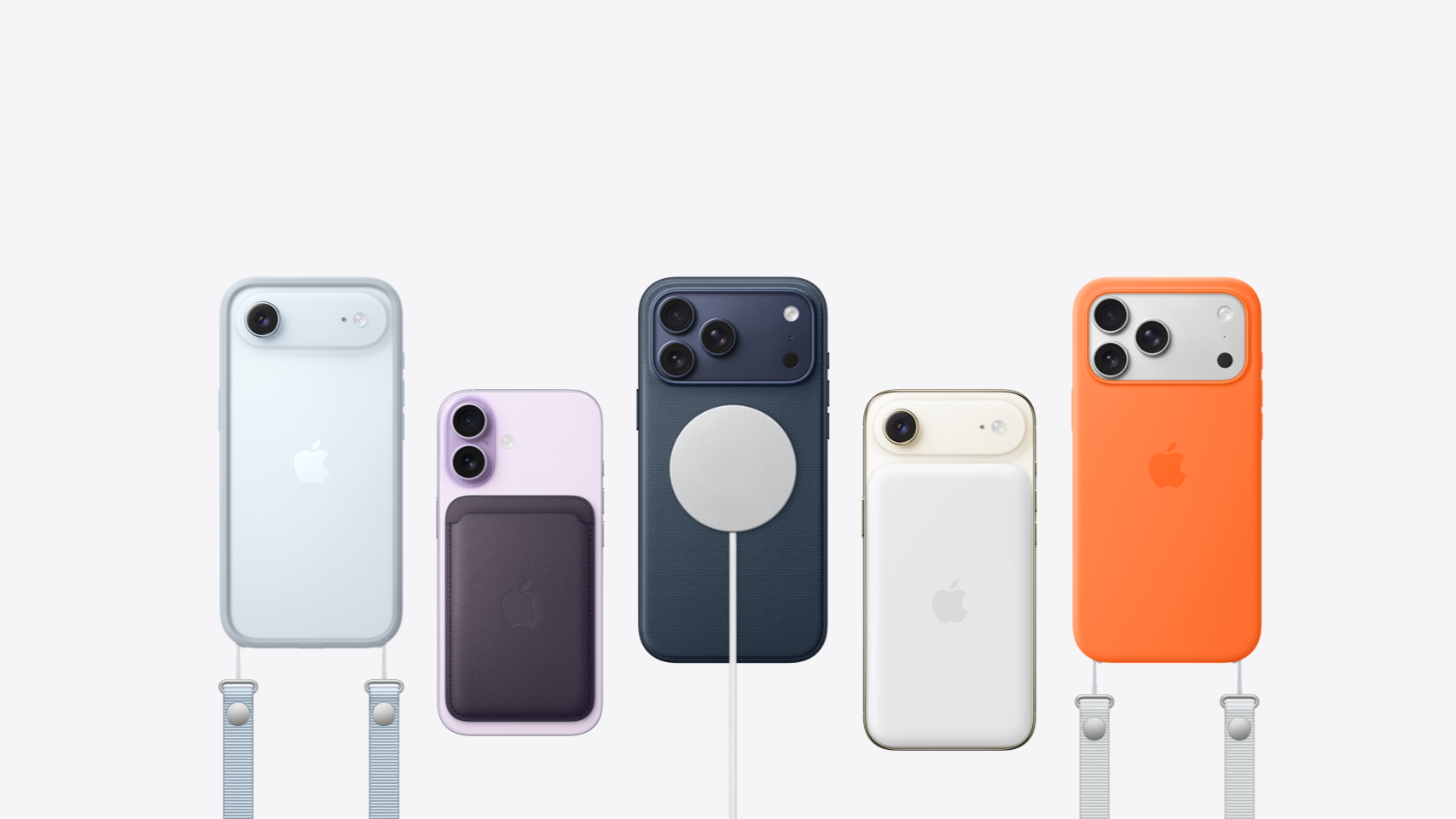
According to recent leaks, the company is reportedly planning to invest heavily in official protective cases and turn them from simple shells into active hardware extensions that work as a second touch interface for the phone.
At first glance this sounds like just another experimental idea in a long history of modular and accessory-based concepts. Modular phones never truly went mainstream and most ‘smart cases’ that tried to add extra features have stayed niche. The big difference here is that Apple controls both the hardware and the accessory ecosystem. When Apple decides to fully integrate something into iOS and the iPhone lineup, it often becomes a standard rather than a side project.
The key phrase in the leak is that these new accessories would act as a ‘second touch interface’. That does not necessarily mean a full secondary display running apps. Instead, think of the case surface itself becoming a responsive touch area: taps, swipes, squeezes or slide gestures along the side or back of the phone could be translated into commands. It might feel closer to a giant touch pad wrapped around the iPhone rather than a classic screen.
This direction actually fits Apple’s recent experiments. Current iPhones already use capacitive and pressure-sensitive areas to replace mechanical parts. The so-called Camera Control zone is a touch-sensitive area that can handle different photography functions without needing a traditional shutter key. Features like this show that Apple is comfortable blending hardware and software into invisible controls that only come to life when you interact with them.
The leaked plan suggests that future iPhone Pros could push this idea much further. Instead of adding more physical keys or dedicated switches, Apple could shift many interactions onto the case itself. Imagine adjusting volume by sliding your finger along the edge of the case, triggering the camera by squeezing the back, or switching modes with a double-tap on a specific corner. The phone would detect that an official case is attached and instantly unlock extra input zones mapped directly to system functions.
A patent titled ‘Case with input for electronic device’ gives us a clearer hint of what Apple is thinking. In the document, Apple describes a protective case that includes its own electromechanical touch sensors. When the iPhone recognizes that this special case is connected, it can disable one or more physical buttons and instead respond to signals coming from the case. In practical terms, that means pressing or tapping the case could virtually press the buttons inside the phone, without you ever touching the hardware keys themselves.
This approach is not just a design gimmick. Getting rid of traditional buttons has been a long-standing rumor around future iPhones. Fewer moving parts can improve durability, make water and dust resistance easier to manage, and give Apple more freedom with the device’s frame design. If critical inputs move to the case, Apple can keep the phone’s sides almost completely clean while still giving power users more controls than ever before.
Touch-sensitive cases could also open the door to richer customization. Because the sensors live in the case, Apple could technically sell different styles of input layouts: a photography-focused case with ergonomic shutter zones, a gaming-oriented case with grip-friendly virtual buttons, or a productivity case optimized for quick shortcuts and gesture-based controls. All of them could tap into the same underlying interface system inside iOS, while the iPhone automatically recognizes which case is attached and loads the appropriate mappings.
However, history shows that fancy interaction ideas can fail if they feel confusing or unnecessary. Apple’s own Camera Control area has not become a breakout hit feature, and older experiments from other brands with secondary displays or touch zones on the back of phones rarely broke out of enthusiast circles. For this new concept to succeed, Apple will have to make the benefits extremely obvious from day one: more comfort, faster actions, fewer accidental presses, and a clear advantage for people who buy the Pro models.
Timing is also interesting. The leak points to the next generation of iPhone Pro models arriving in fall 2026, with the non-Pro or ‘vanilla’ model following roughly half a year later. If the touch-sensitive cases really are tied to the Pro series first, Apple would once again be using its premium lineup as the test bed for new interaction ideas before they trickle down to the rest of the family.
Of course, everything described so far is based on early information and patent filings, not an official announcement. Apple patents far more concepts than it ever ships. Still, combining a clear patent about input-enabled cases with a leak that Apple plans to invest heavily in its official accessories paints a coherent picture. The company seems genuinely interested in turning the humble iPhone case into something smarter than a piece of plastic or leather.
If these touch-sensitive iPhone Pro cases do arrive, they could quietly mark one of the biggest shifts in how we physically control our phones since the move from buttons to full touchscreen displays. Instead of just tapping the front of the device, you might soon be interacting with every side of it – and the case could become just as important to the iPhone experience as the phone itself.