Apple’s experiment with stretching the iPhone lineup into ever more niche segments is facing a reality check. 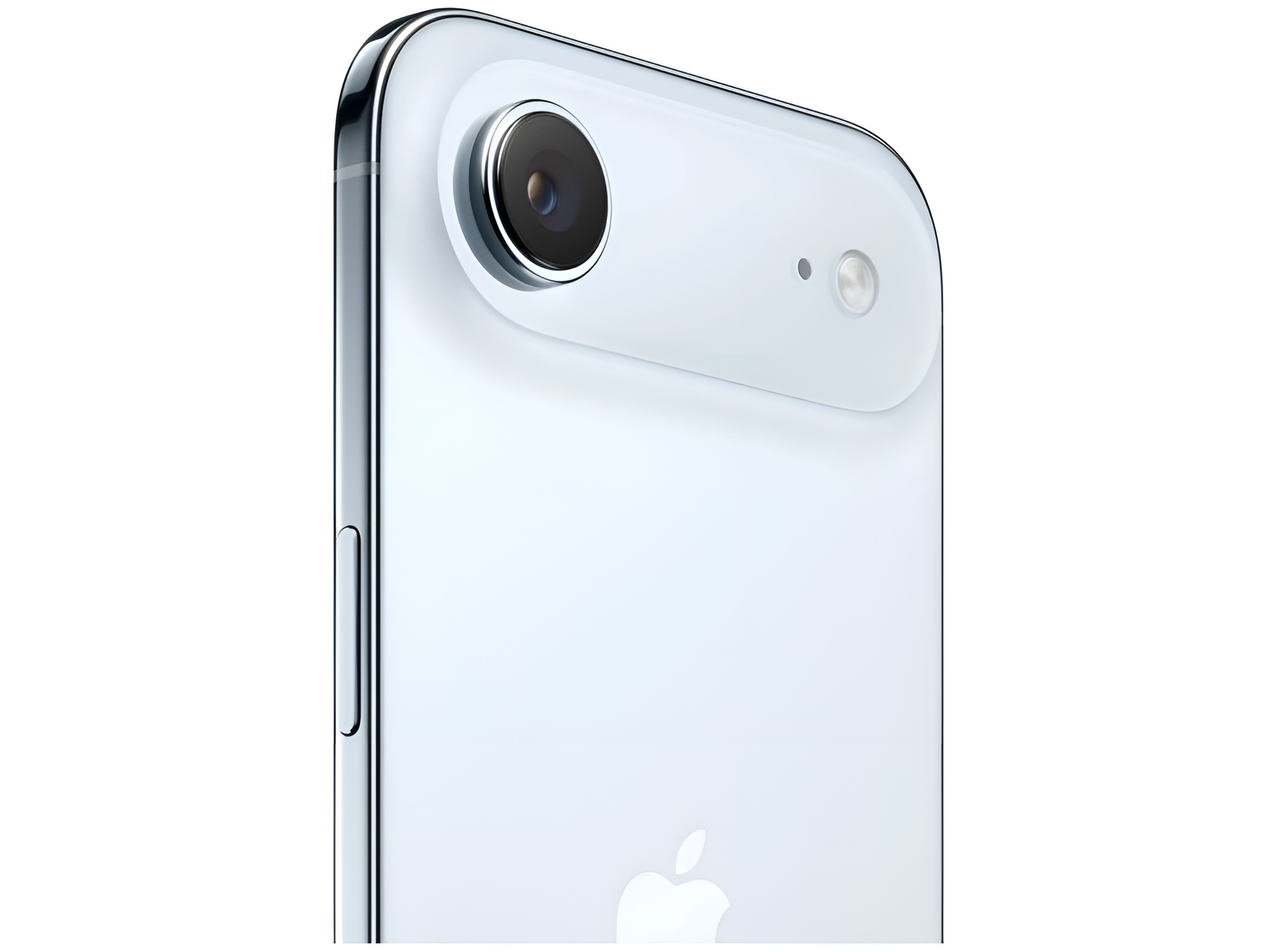
After weeks of chatter about soft demand for the ultra-slim iPhone Air, a new wave of leaks now suggests that the more affordable iPhone 16e could be stumbling down the same path. Rather than a clean win in the mid-range, Apple appears to have created two models that are struggling to justify their place in an already crowded portfolio.
Rumors of weak iPhone 16e and iPhone Air sales
The latest signal comes from Weibo tipster Fixed Focus Digital, who claims that both the iPhone Air and the iPhone 16e have posted underwhelming sales. The leak stops short of clarifying whether this weakness is limited to China or reflects global performance, but either way it undercuts the idea that these devices would unlock meaningful new demand. For a company that still earns the bulk of its revenue from the iPhone, any misstep in reading consumer appetite is closely scrutinised by analysts and rivals alike.
Interestingly, the same tipster believes Apple is not giving up on either concept just yet. According to the leak, successors are already in the pipeline: an iPhone Air 2 and an iPhone 17e. That aligns with Apple’s long-term hardware planning cadence, where designs are locked in many months before launch, but it also hints that the company thinks the idea is sound even if the first execution missed the mark.
Production slowdowns hint at disappointing demand
Behind the scenes, however, the story looks messy. Reporting from The Information revealed that Foxconn, the primary assembler of the iPhone Air alongside Luxshare, has wound down almost all production lines for the slender model, keeping just one and a half lines running for now. By the end of the month, those too are expected to fall silent. Luxshare, the secondary assembler, is said to have stopped building the ultra-slim variant as far back as October, signalling that Apple is actively burning through unsold inventory rather than betting on a late-cycle sales spike.
Such a sharp production pullback typically means one thing in Apple land: demand has come in materially below expectations. When that happens, Apple usually moves quickly to rebalance the mix, letting popular models take over factory capacity while slower sellers fade into the background. The decision around the iPhone Air looks very much like that classic playbook in action.
Is iPhone Air 2 really delayed, or just evolving
Complicating matters further, early reports framed this pause as effectively an indefinite delay for the iPhone Air 2, suggesting Apple might shelve the follow-up entirely while it rethinks the category. More recent leaks rowed back that narrative, arguing instead that a second-generation ultra-slim iPhone is still being actively developed.
The key change, according to those leaks, is the camera system. Where the first-generation iPhone Air leaned heavily on its thin profile as the main selling point, its successor is tipped to add a second rear camera: an ultra-wide 48-megapixel shooter that would sit alongside the main lens. That would move the phone closer to the imaging capabilities of Apple’s mainstream flagships and could help justify its price for buyers who were not convinced by design alone.
If accurate, this strategy reveals how Apple may try to rescue the Air branding. Rather than treating it purely as a style-first iPhone, Apple appears to be nudging it toward a more balanced proposition that blends premium design, respectable camera hardware and the familiar iOS ecosystem. The hope, presumably, is that a better-rounded spec sheet will broaden the audience beyond the small niche of users who obsess over thinness above all else.
What happens next for iPhone 16e and the budget tier
The same logic may apply to the iPhone 16e and the rumoured iPhone 17e. The entry level e line is widely seen as Apple’s attempt to offer a more approachable entry point into the latest generation, trimming a few features to keep prices in check. But in a smartphone market where Android competitors bombard buyers with aggressive specs and discounts, even Apple has to be careful not to make its lower-tier models feel compromised or confusing.
For now, one thing is clear: Apple is still iterating in public. The iPhone Air and iPhone 16e experiments show that even the world’s most profitable smartphone maker can misjudge how far it can stretch its brand. What happens with the iPhone Air 2 and iPhone 17e will reveal whether Apple can turn these shaky first steps into a cohesive new tier of devices or whether some names quietly disappear from the lineup in a year or two.
1 comment
ngl this whole Air thing feels like Apple making the same iPad mistake again 😂