The GPU deals season is getting crowded, but one offer is loud enough to cut through all the noise: AMDs Radeon RX 9070 XT has dropped to just 579.99 US dollars at MicroCenter. That is not only below its official MSRP, it is also the kind of price cut that suddenly makes every other midrange graphics card look a lot less exciting. 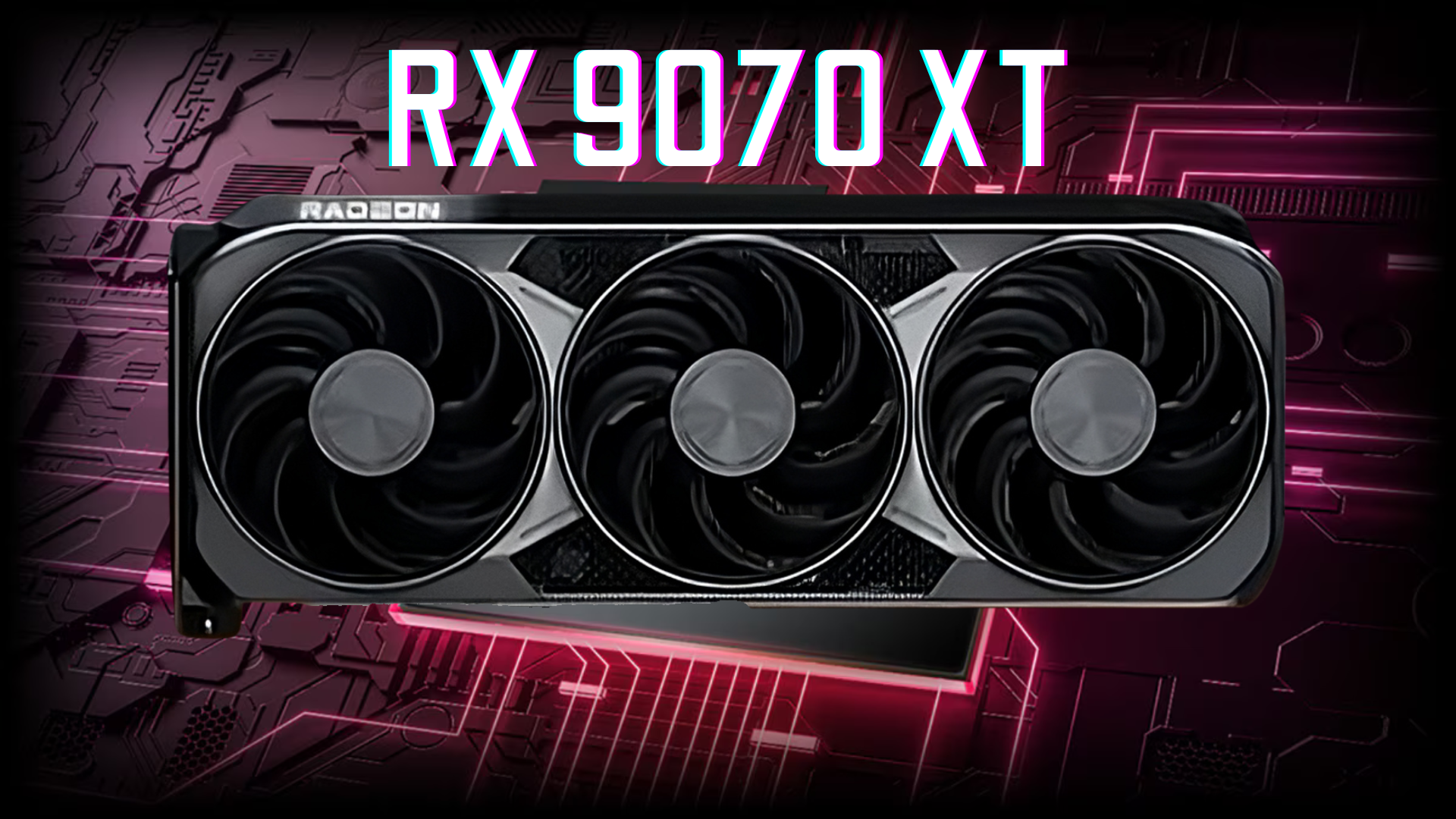
For PC gamers still stuck on older hardware or eyeing an upgrade for smooth 1080p and 1440p gaming, this is the sort of deal that can define an entire build cycle.
The RX 9070 XT sits in AMDs RDNA 4 lineup as a de facto flagship for mainstream players, and its spec sheet explains why this discount matters. You are getting 16 GB of VRAM, a capacity that used to be reserved for ultra high end cards and is increasingly important as modern games push texture quality and large open worlds. In raw performance, the 9070 XT routinely trades blows with, and often edges past, Nvidias RTX 5070 Ti 16 GB, a card that still tends to sell around the 749 US dollar mark when it is at MSRP. That performance overlap at a much lower price is exactly where value hunters want to be.
The comparison with RTX 5070 Ti is where things become particularly interesting. Nvidia still holds an edge in some ray tracing heavy titles and with DLSS frame generation, while AMD leans on FSR for its own upscaling and performance boosts. But if you care primarily about high refresh 1080p and strong 1440p settings without breaking the bank, the 9070 XT now undercuts the competing Nvidia card by a meaningful margin. You are essentially paying mainstream money for something that behaves like a premium card in most non ray traced scenarios, which is why many enthusiasts are calling this one of the best price to performance plays of the current generation.
The specific model on sale makes the deal even better. MicroCenters offer is based around ASRocks Radeon RX 9070 XT Challenger Triple Fan, a custom design that aims squarely at the sweet spot between performance, noise, and cost. Instead of going all in on flashy RGB or ultra thick prestige cooling, ASRock focuses on a solid triple fan heatsink with a clean, understated shroud. This is the sort of card you could comfortably put into a minimalist black build and never worry about it drawing attention away from the rest of your setup. Community discussions have already circled around whether the cooler uses vapor chamber magic or a more traditional heatpipe layout, but the bottom line is simple: it is built to keep the GPU cool and quiet at stock, without inflating the price tag.
There is also a certain irony in how we got here. For months, many players complained that new hardware generations were bringing more E cores, more marketing, and more tiny clock bumps than real world value. Now this price drop is exactly the kind of course correction people were asking for. The RX 9070 XT was already competitive at MSRP, but gamers hesitated, adoption stayed relatively modest, and the card never dominated market share charts. That has likely pushed retailers to sharpen their pencils. For buyers, though, that slow start is a hidden blessing: you are walking into a mature product, with refined drivers and a proven track record, at a price that looks more like a clearance sticker than a cutting edge launch.
There is a bit of urgency baked into the situation as well. Memory pricing chatter has been heating up, with some enthusiasts warning that GDDR supply could tighten and push GPU prices upward again. Whether or not those worst case scenarios materialize, there is a long history of good graphics card deals vanishing just as quickly as they appeared once stock dries up or a new wave of buyers catches on. If inventory is limited to MicroCenter stores, it only takes a handful of savvy shoppers and a weekend rush for this particular 579.99 US dollar price point to disappear. Several readers are already joking that the best time to buy was yesterday and the second best time is before the next memory shipment gets repriced.
From a practical standpoint, the only real downside is availability. This RX 9070 XT Challenger Triple Fan offer is in store only. There is no quick add to cart, no next day delivery, no dropping a high end GPU into your basket between meetings. You will need to physically visit a MicroCenter, hope your local branch still has units on the shelf, and be ready to queue up alongside other bargain hunters doing the exact same thing. On the flip side, that old school retail experience has its perks: you can actually inspect the box, check revision stickers, and walk out with your card in hand rather than biting your nails over shipping damage and lost parcels.
Once the card is installed, the audience for this deal is huge. Competitive shooter players after 240 Hz at 1080p, fans of cinematic single player campaigns that expect locked 60 frames per second at 1440p, and creators who game after streaming or editing video all stand to benefit. Pair the 9070 XT with a sensible six or eight core CPU rather than chasing the latest halo chip stuffed with more E cores than you will ever realistically use, and you get a balanced system that tears through modern releases without blowing your entire budget on a single component. It is no surprise that some in the community are already calling this the moment when AMD quietly stole the midrange crown back.
In an industry where graphics cards have too often been associated with sticker shock, the Radeon RX 9070 XT at 579.99 US dollars feels almost nostalgic: a powerful GPU that regular enthusiasts can justify, without mental gymnastics. With MicroCenter tying that performance to a well built ASRock triple fan cooler and a genuinely aggressive price, this is one of those rare deals where the effort of driving down to the store might be the smallest part of the upgrade. If you have been sitting on the fence, watching prices and memes and endless spec sheets float by, this may be the offer that finally makes you forget every other GPU in your shortlist.