Apple may be many months away from officially unveiling the iPhone 18 Pro Max, but the 2026 flagship is already shaping up to be one of the most interesting iPhone upgrades in years. 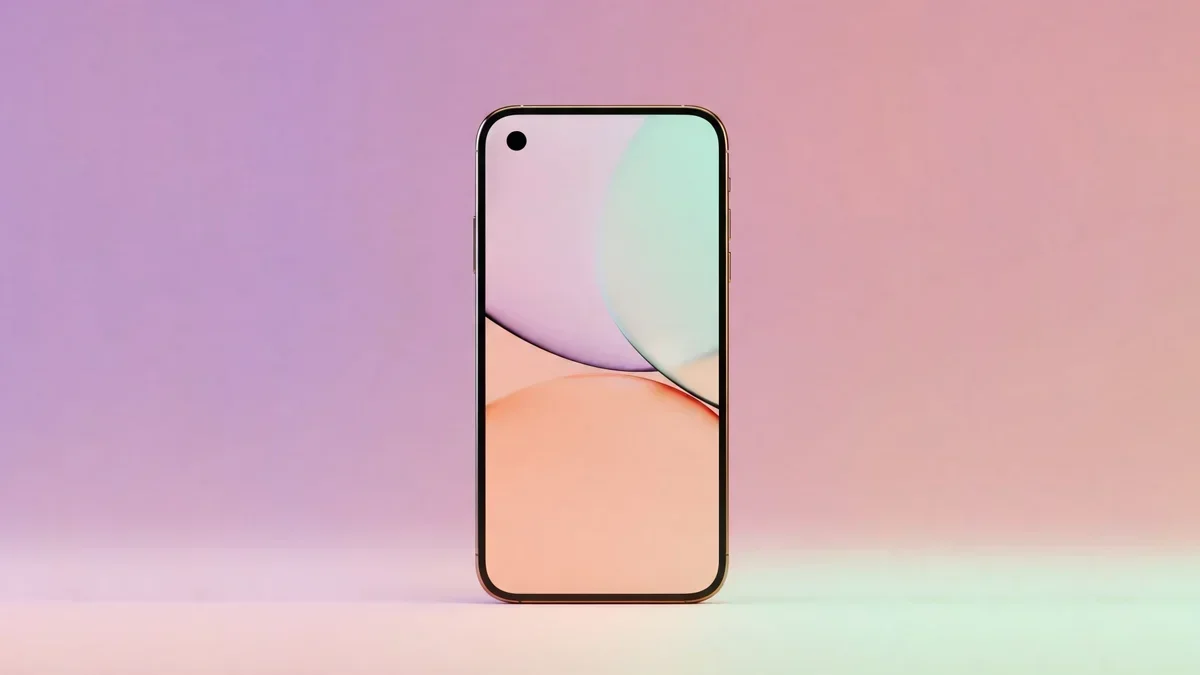
With the iPhone 17 Pro Max, Apple refreshed the design, refined the cameras, and squeezed more efficiency out of its silicon. Now the company appears ready to push things further, using the Pro Max model once again as the ultimate showcase for what the next generation of iPhones can do.
As always with early leaks and supply chain whispers, nothing is guaranteed until Tim Cook holds the phone on stage. Still, multiple reports paint a surprisingly consistent picture of where Apple is heading: a big focus on display technology, battery life, custom connectivity, and a more professional camera experience. At the same time, Apple seems willing to quietly kill off features that didn’t land with users, even if they were hyped only a couple of years ago.
Here are nine of the most notable changes and new features you can tentatively expect from the iPhone 18 Pro Max if Apple sticks to its current roadmap.
1. New LTPO+ display for smoother, more efficient visuals
The iPhone 18 Pro Max is rumored to debut a next-generation LTPO+ display, joined by the smaller iPhone 18 Pro. LTPO panels already allow the Pro models to dynamically adjust their refresh rate from a buttery 120 Hz all the way down to 1 Hz for the always-on display. The “plus” in LTPO+ suggests Apple and its panel suppliers are pushing that formula further, targeting both higher responsiveness and lower power consumption.
In daily use, that should translate into noticeably smoother scrolling through long feeds, more fluid animations when switching apps, and a more responsive feel when gaming – all without hammering the battery as hard. High refresh rate screens are one of those things you can’t unsee once you get used to them, and a more efficient implementation will help keep ProMotion enabled all day without anxiety about battery drain.
Apple may also use the LTPO+ panel to refine color accuracy and peak brightness, making HDR content pop even more while keeping readability outdoors in direct sunlight as strong as possible. For a device positioned as Apple’s ultimate content consumption and content creation machine, that kind of upgrade is more than just a spec bump; it shapes how the phone feels every single time you unlock it.
2. A cleaner, more uniform rear design
While the front of the iPhone naturally gets the most attention, Apple is reportedly planning a small but important aesthetic tweak on the back of the iPhone 18 Pro Max. The current Pro generation uses a glass panel to enable wireless and MagSafe charging, but the color tone of that glass doesn’t perfectly match the surrounding aluminum frame. Under bright light you can see a subtle shift between the frame and the back plate.
For the iPhone 18 Pro and Pro Max, Apple is said to be working on a more uniform, single-tone finish that makes the frame and glass blend together more seamlessly. It’s the kind of detail that doesn’t change how the phone works, but it does affect how “premium” it feels in the hand. A tighter color match should give the rear of the device a more monolithic look, especially in darker finishes like Space Black or the inevitable new seasonal color.
3. A bulkier, heavier Pro Max with purpose
If you were hoping the Pro Max would go on a diet, early leaks might disappoint you. The iPhone 18 Pro Max is expected to become the heaviest iPhone Apple has ever shipped, potentially crossing the 240-gram mark and edging past previous Pro Max models that already sat at 240 grams. It may even gain a bit of thickness compared to the 17 Pro Max.
On paper that sounds like a step backward, but the extra bulk isn’t just for show. Apple appears ready to embrace a slightly chunkier Pro Max for the sake of a much more meaningful upgrade: a bigger battery.
4. A larger battery for genuinely longer endurance
The biggest upside of that additional weight is rumored to be a significantly larger battery inside the iPhone 18 Pro Max. Exact capacities are still closely guarded, but reports suggest Apple is giving itself more physical volume to play with. Combined with the more efficient LTPO+ display, a custom Apple modem, and the upcoming 2 nm A-series chip, that extra battery capacity could translate into hours more real-world usage.
For heavy users – the people who game, shoot 4K video, hop between 5G networks, and live on FaceTime – endurance matters more than shaving a couple of grams off the chassis. If Apple can deliver a Pro Max that comfortably lasts into a second day for many users, the trade-off will feel more than worth it.
5. Apple’s own C2 5G modem replacing Qualcomm
Under the hood, one of the most important changes may be one you never physically see: Apple’s in-house C2 modem. After years of relying on Qualcomm for 5G connectivity, Apple has been quietly building its own modem technology, and the iPhone 18 family is tipped to be the first flagship generation to lean fully on that custom solution.
The C2 would succeed the C1 modem that Apple reportedly tested in the iPhone 16e, bringing support for mmWave 5G, advanced carrier aggregation, and smarter power management. In practice, that could mean stronger signal stability in congested areas, faster downloads when networks allow, and less battery drain when you’re streaming or tethering.
Just as Apple’s A-series chips and in-house GPUs give it tighter control over performance and efficiency, owning the modem stack lets the company tune the whole connectivity pipeline the way it wants. It’s also a strategic move that reduces reliance on external suppliers for one of the most critical components inside the phone.
6. A more flexible 48 MP camera with variable aperture
The camera system is where many buyers decide whether to upgrade, and Apple seems to know it. Rumors point to a 48 MP Fusion main camera on the iPhone 18 Pro and Pro Max with a variable aperture – something no iPhone has offered so far. A variable aperture allows the lens to physically open or close depending on the scene.
In low light, the camera could open up to a wider aperture to pull in more light, reducing noise and preserving detail without relying as heavily on multi-frame night processing. In bright daylight, it could stop down to a narrower aperture, helping keep more of the scene in focus and adding optical control over depth of field. The result should be more natural-looking photos that don’t always feel like they’ve been heavily processed by software.
On top of that, reports suggest both the main and telephoto cameras may get larger apertures overall, improving performance in dim environments and giving portrait shots creamier background blur. Paired with Apple’s ongoing computational photography tricks, the iPhone 18 Pro Max could become an even more compelling pocket camera for both casual shooters and serious mobile creators.
7. The short-lived Camera Control button might disappear
Not every experiment survives more than a generation or two, and the dedicated Camera Control button introduced with the iPhone 16 looks like it might already be on the chopping block. According to usage data and supply chain chatter, relatively few owners consistently used the physical camera shortcut, and the extra hardware added cost and complexity to manufacturing.
As a result, the iPhone 18 lineup may quietly drop the Camera Control button altogether. It’s a reminder that Apple, despite its reputation for sticking with design decisions, is not afraid to reverse course when a feature doesn’t justify its existence. Software-based shortcuts and lock-screen gestures can still provide quick access to the camera without dedicating valuable space on the frame.
8. Toward a punch-hole front camera and under-display Face ID
One of the most visually dramatic shifts could happen on the front of the phone. Several reports claim that the iPhone 18 Pro models will move away from the pill-shaped Dynamic Island cutout toward a smaller punch-hole camera located near the top-left corner of the display. The rest of the Face ID hardware – including the dot projector and the infrared receiver – is expected to migrate beneath the screen.
That would give Apple its cleanest front panel yet, moving another step closer to the dream of an all-screen iPhone with no visible intrusion. What’s less clear is the future of Dynamic Island as a software concept. Apple could keep the floating interface as a purely virtual element that appears only when needed, or it may evolve into something subtler now that it is no longer tied to a fixed hardware shape.
9. A20 Pro: Apple’s first 2 nm powerhouse
No Pro Max would be complete without a new A-series chip, and the iPhone 18 Pro Max is widely expected to introduce the A20 Pro, built on TSMC’s cutting-edge 2 nm (N2) process. The current A19 generation in the iPhone 17 family already delivers impressive performance and efficiency on 3 nm, but shrinking down to 2 nm opens up more headroom.
Early projections suggest the A20 Pro could deliver around 15% higher performance while cutting power consumption by roughly 30% under comparable workloads. Smaller, more densely packed transistors generally mean less heat output as well, which should help keep sustained performance more stable during long gaming sessions or extended 4K recording.
Combine that with the bigger battery, LTPO+ display, and Apple’s custom modem, and you get the outline of an iPhone that is not only faster on benchmarks but also cooler, quieter, and longer-lasting in real life. That holistic improvement is exactly what you want from a flagship that’s supposed to last several years.
A more ambitious Pro Max, not just another yearly refresh
Put all of these rumored changes together and the iPhone 18 Pro Max looks less like a minor “S-style” update and more like a meaningful evolution of Apple’s premium phone formula. A more sophisticated display, a bigger battery, a fully in-house modem, a smarter camera system, a cleaner front design, and cutting-edge 2 nm silicon all point in the same direction: a Pro Max that leans harder into being the ultimate iPhone, rather than just the biggest one.
Of course, everything remains provisional until Apple sends out invitations and the phones hit store shelves. But if the leaks stay on course, 2026 could be the year when the Pro Max name truly earns its “Max” not only in size, but in ambition.
1 comment
So they hyped Dynamic Island just to maybe hide it 3 years later… classic Apple move