Call of Duty: Black Ops 7 has finally dropped on PC, PS5, and Xbox Series X/S, and on paper it should be another easy win for Activision. A big-budget campaign, a familiar multiplayer grind, shiny menus bursting with unlocks – it is the annual ritual for millions of players. But within hours of launch, the conversation around Black Ops 7 has been dominated not by clutch plays or wild set pieces, but by something far more deflating: the game is stuffed with cheap-looking AI-generated art that many fans instantly branded as digital slop.
Players who preloaded the game and jumped in on day one quickly started spotting it everywhere. 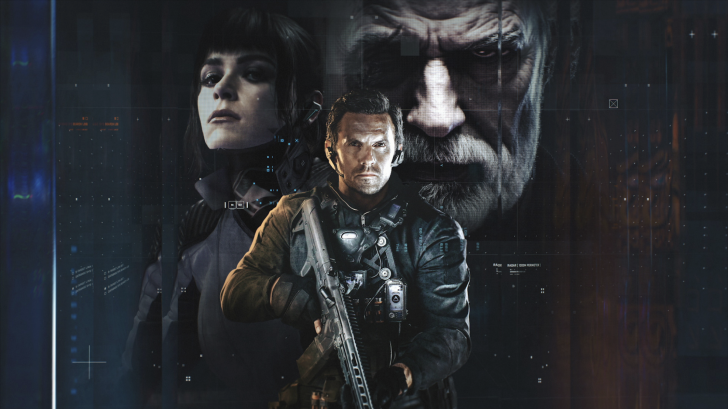
Screenshots circulated on social media showing calling cards and profile rewards that looked oddly generic, over-smoothed, and soulless, the telltale fingerprints of generative AI. One viral post from user Kumesicles pulled together a whole page of these cards, each one clearly assembled by a machine instead of a human artist. The result is a reward screen that feels less like an iconic shooter and more like a collage of stock images spat out in seconds.
This is not the first time Activision has dipped into generative AI for Call of Duty, of course. Modern Warfare 3 in 2023 and Black Ops 6 in 2024 both shipped with AI-generated cosmetic art, and both times the backlash from players was loud and immediate. Instead of listening, Activision seems to have treated that outrage as background noise, pushing even harder this year. In Black Ops 7, players are reporting AI art not only in calling cards but also in campaign assets and even in the prestige icons that are supposed to represent the peak of the grind.
That prestige icon choice stings in particular. For years, prestige levels in Call of Duty have been a kind of visual career history, a way of saying: I devoted time, learned the meta, and carried my team often enough to wear this tiny badge with pride. Those icons used to be lovingly crafted illustrations, the kind of thing you could recognize from memory. Replacing them with AI-generated symbols feels to many fans like a bait and switch – you put in the same hours, pay the same price, but the reward has been quietly downgraded to something that costs the publisher almost nothing.
Reactions online reflect that sense of insult. Some players flatly write off the art as gutter-tier trash, arguing that AI is a lazy shortcut for studios that would rather squeeze margins than pay real artists. Others point out the depressing irony of a multibillion-dollar franchise nickel-and-diming the creative side of its own identity. When a series as big as Call of Duty starts outsourcing its personality to algorithms, it sends a clear message about priorities, and those priorities are not the players or the people who used to design these cosmetics.
Not everyone sees it the same way, of course. There is a small chorus of voices saying that anyone grinding hours for a prestige icon should simply touch grass, play something else, or stop taking digital trinkets so seriously. But that argument misses why the move feels so cynical. The grind is not a side effect of Call of Duty – it is the structure the whole experience is built around. Weapon camos, emblems, calling cards, prestige ranks: they are the carrots at the end of the stick, the reason many players log in for one more match after midnight.
When those rewards feel cheap and disposable, the magic falls apart. You can see that frustration spilling over into the game’s Steam reviews, where complaints about AI art sit alongside other issues. Players highlight an always-online campaign that cannot be paused, reports of being kicked back to the menu for going AFK mid-mission, and a story mode that some early impressions already describe as forgettable or outright bad. Taken together, it paints a picture of a blockbuster that expects the full-price buy-in while cutting corners wherever it thinks it can get away with it.
The AI slop controversy also taps into a much bigger conversation happening across the games industry. Generative AI has become a tempting tool for publishers because it is fast, scalable, and cheap, especially when you treat cosmetic art as a low-risk test bed. But the Call of Duty community is making it clear that this kind of content is not invisible filler. It is part of the emotional fabric of the game, the layer of style and identity that separates one shooter from another. When that layer is replaced by algorithmic mush, fans feel not only that the product is worse, but that the people in charge think they will not notice or will not care.
There is also a real human cost behind all of this. Every AI-generated calling card is a piece of work that a freelance illustrator, concept artist, or in-house designer did not get paid to create. In a time when layoffs are hitting art teams and support studios across the industry, seeing a flagship franchise visibly lean on AI is more than just an aesthetic annoyance. It feels like another step toward a future where creative labor is treated as disposable while executives boast about efficiency.
Could Activision roll this back? Absolutely. The company could commission new human-made art for calling cards and prestige icons, patch them into the game, and present it as a course correction. But if the last few years have shown anything, it is that once a publisher discovers how far it can stretch cost-cutting, it will keep pushing until sales or regulations force a change. Even if Black Ops 7 gets a cosmetic band-aid, players have little reason to believe next year’s installment will not test even more aggressive uses of AI, in more visible and meaningful parts of the experience.
In the end, the frustration around Black Ops 7 is not just about ugly rewards or lazy design. It is about trust. Fans are asking a simple question: what exactly are we paying for each year, if the campaign is flimsy, the systems are intrusive, and even the smallest details are being outsourced to an algorithm? Call of Duty has survived balance disasters, controversial settings, and misfired campaigns before. But if Activision keeps stripping away the human touch that made the series iconic, it risks turning one of gaming’s most recognizable names into exactly what so many players are calling it today – a big, loud, expensive pile of AI slop.
1 comment
good tbh, this AI stuff looks like straight gutter trash 😂 feels made for devs who cant hire real artists anymore