In a Swiss watch industry that often leans on safe designs and heritage re-runs, Chronoswiss has always felt a bit like the rebel at the party. Founded in 1983 at the height of the quartz crisis, the brand staked its future on mechanical watchmaking precisely when everyone else was fleeing to batteries and LCDs. 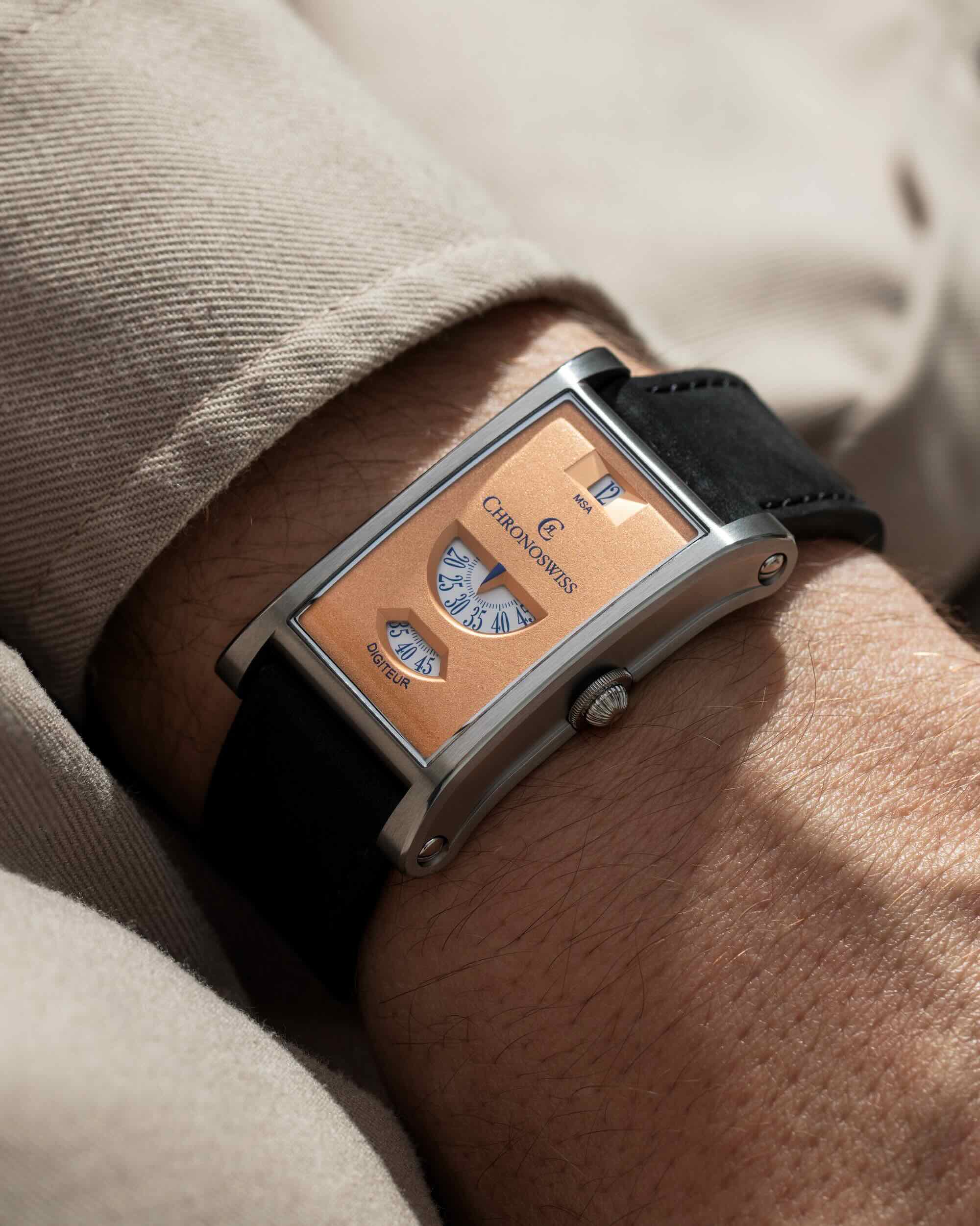
Four decades later, that contrarian spirit is alive and well in the new Chronoswiss Neo Digiteur, a thoroughly modern resurrection of the brand’s cult mechanical digital watch from the early 2000s.
Where most brands revisit icons with a few cosmetic tweaks, the Neo Digiteur is closer to a complete re-engineering. It keeps the core idea that made the original Digiteur so fascinating – a hands-free, jumping digital display powered by gears and springs, not electronics – but wraps it in sharper lines, a new stainless-steel case, and a purpose-built caliber designed to handle the brutal energy demands of a jumping hour mechanism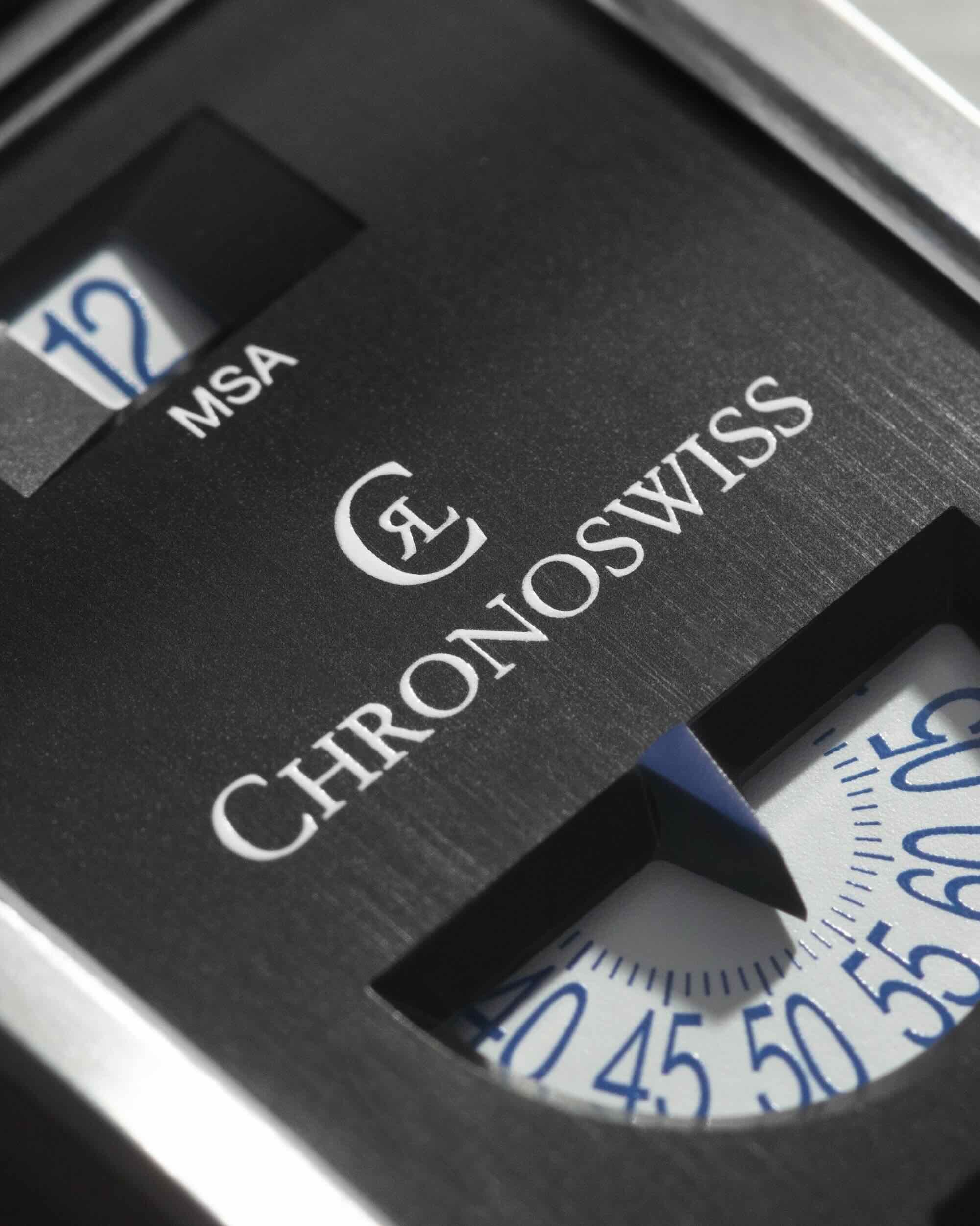
. The result is a watch that feels at once nostalgic and surprisingly contemporary, like a piece of Art Deco architecture dropped into a modern skyline.
From Roaring Twenties Experiments To A 2000s Cult Classic
To understand the Neo Digiteur, it helps to rewind a century. In the 1920s and 1930s, mechanical digital watches were the disruptors of their time. Instead of elegant hands sweeping across enamel dials, these oddballs displayed time through small windows: one aperture for the hours, another for the minutes, sometimes a third for running seconds. The aesthetic aligned perfectly with the emerging Art Deco movement – bold geometry, stepped caselines, and a fascination with the future. For conservative watchmaking circles, these digital displays were almost subversive.
Fast forward to 2005. The watch world was busy flexing its muscles with oversized 44mm+ cases and minimalist three-hand dials. Amid this boom of maximalist size and minimalist design, Chronoswiss dropped the original Digiteur: a compact, rectangular mechanical digital watch, its lines clearly inspired by those experimental pieces of the 1920s and 30s. 
The case, crafted in precious metals and powered by a historic Fleurier movement, felt like a time capsule with a twist – a tribute to an avant-garde past, filtered through the unmistakable lens of Gerd-Rüdiger Lang and his obsession with traditional watchmaking.
Produced in just 999 pieces, the first Digiteur quietly became a connoisseur’s piece. Today, those early models in 18K gold still trade hands on the secondary market and have become something of a benchmark for mechanical digital design. Against that backdrop, any revival would be heavily scrutinized, especially by collectors who remember the original’s charm, proportions, and price point.
Neo Digiteur: Sharper Lines, Steel Case, Same Rebel Spirit
Rather than a straight reissue, the Neo Digiteur deliberately takes a different route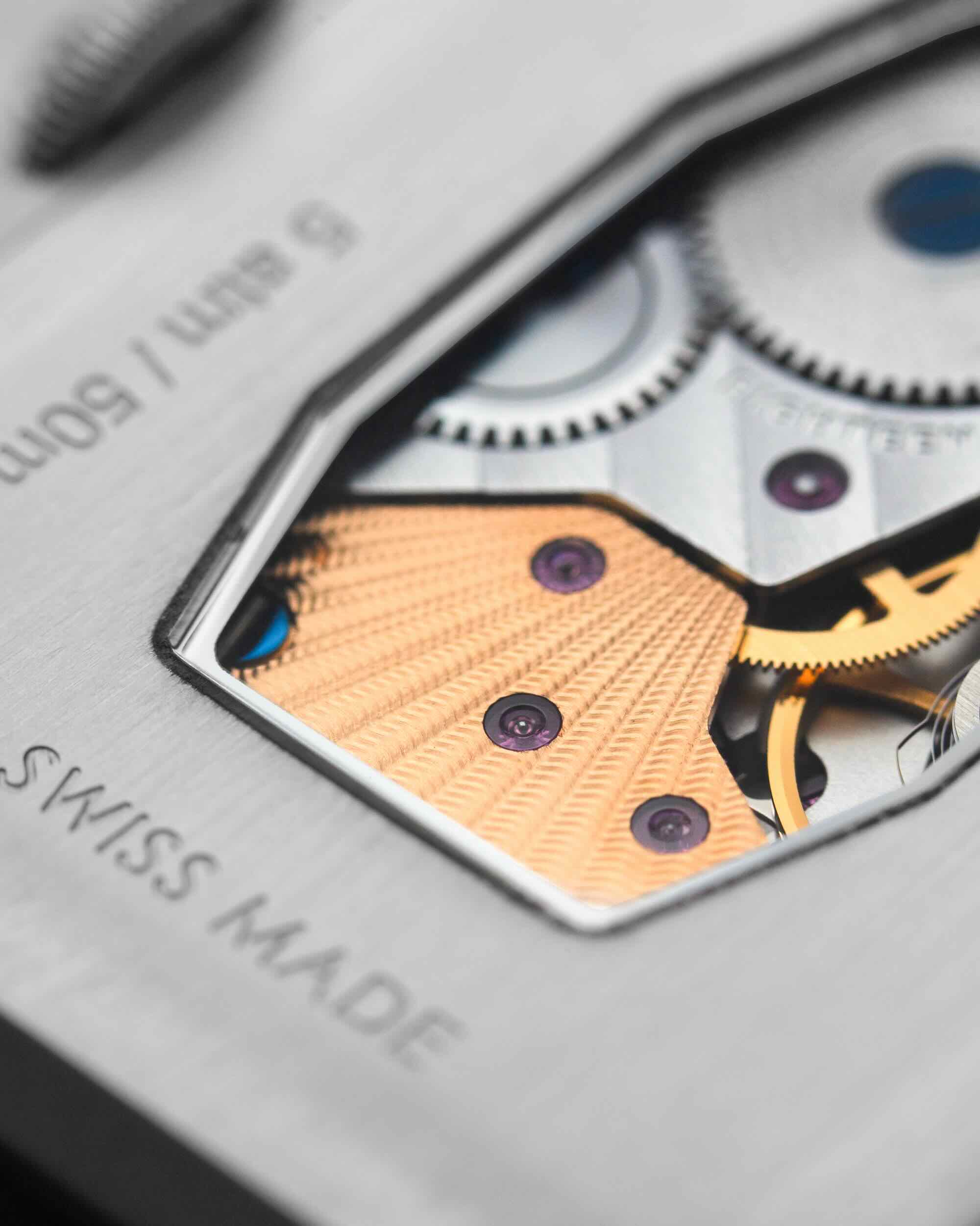
. The rectangular form is still there, but the case has been completely reworked in stainless steel and given a more architectural presence. The barrel-shaped profile is defined by a deeply stepped midcase with contrasting brushed and sandblasted surfaces, which catch the light in a dramatic, almost industrial way. Prominent lug screws visually anchor the watch to the strap, underscoring the mechanical theme and adding a slightly technical, engineered feel.
Chronoswiss has also updated one of its signature details: the onion crown. On the Neo Digiteur, it has been flattened on the underside to improve ergonomics, so it no longer digs into the wrist while still remaining instantly recognizable. Some enthusiasts still joke that a digital mechanical watch without hands might not be the easiest thing to wind all day, but in practice the redesigned crown strikes a solid balance between grip and comfort. 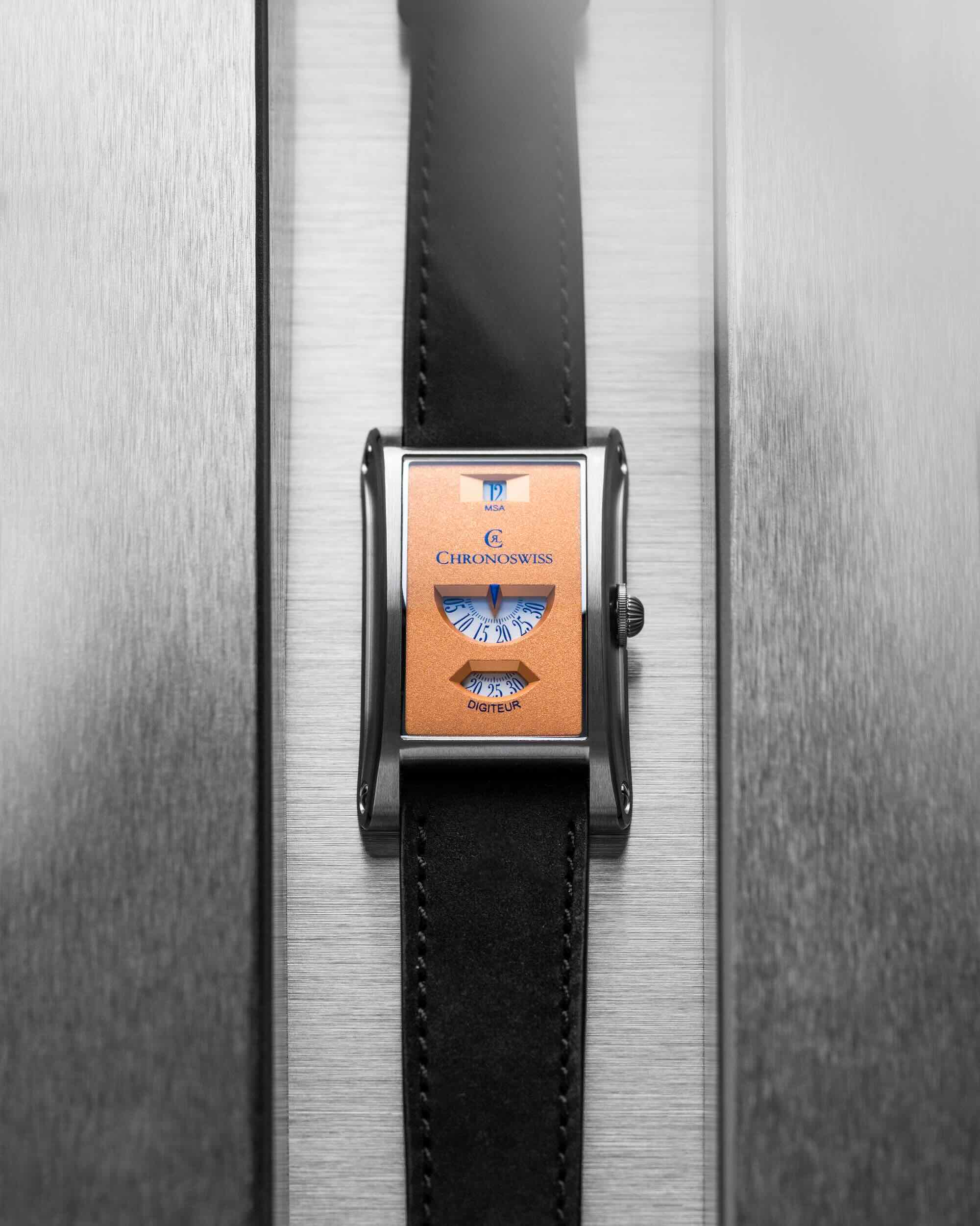
The case measures 48 x 30 mm, yet thanks to carefully contoured lugs that curve down around the wrist, the watch wears far more elegantly than those numbers might suggest.
Dial Architecture And Colorways: Granit vs Sand
Atelier Lucerne, the brand’s in-house design studio, revisited every visual element of the original Digiteur to bring the Neo version into sharper focus. The fundamental dial layout remains the same: a jumping hour aperture at 12 o’clock, a digital minute display at the center, and a running seconds window at 6 o’clock. It is a layout that instantly reads as “digital” to the eye, yet the typography and finishing firmly root it in high-end mechanical watchmaking rather than gadgetry.
What has changed is refinement. The apertures are cleaner and more precisely framed, the numerals are bolder and easier to read at a glance, and the overall symmetry feels more deliberate. Chronoswiss offers two limited dial variants, each restricted to just 99 pieces: the Neo Digiteur Granit and the Neo Digiteur Sand. The Granit pairs a satin-finished anthracite dial with deep-blue glossy numerals, delivering a stealthy, almost urban character. The Sand version uses a 4N-toned sandblasted dial with the same deep-blue numerals, evoking warm sunlight on stone – a look many enthusiasts are already calling the standout of the pair.
Interestingly, fans have been quick to praise Chronoswiss for not chasing neon trends here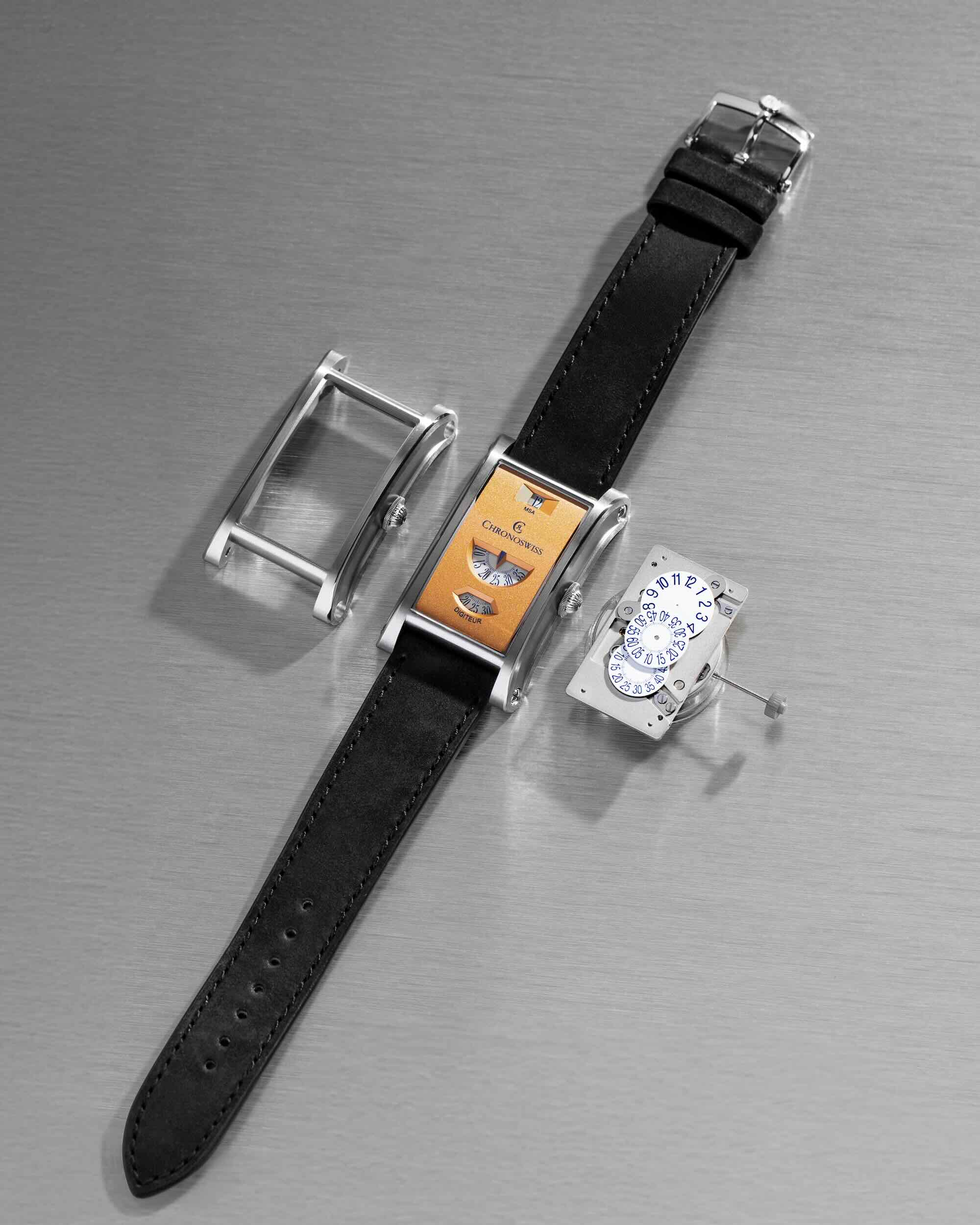
. In a market where it would have been easy to go full migraine-yellow or electric purple to grab attention, the brand instead chose understated, almost architectural palettes. It is a decision that makes the Neo Digiteur feel serious and grown up, even if the format – jumping discs instead of hands – is anything but conventional. 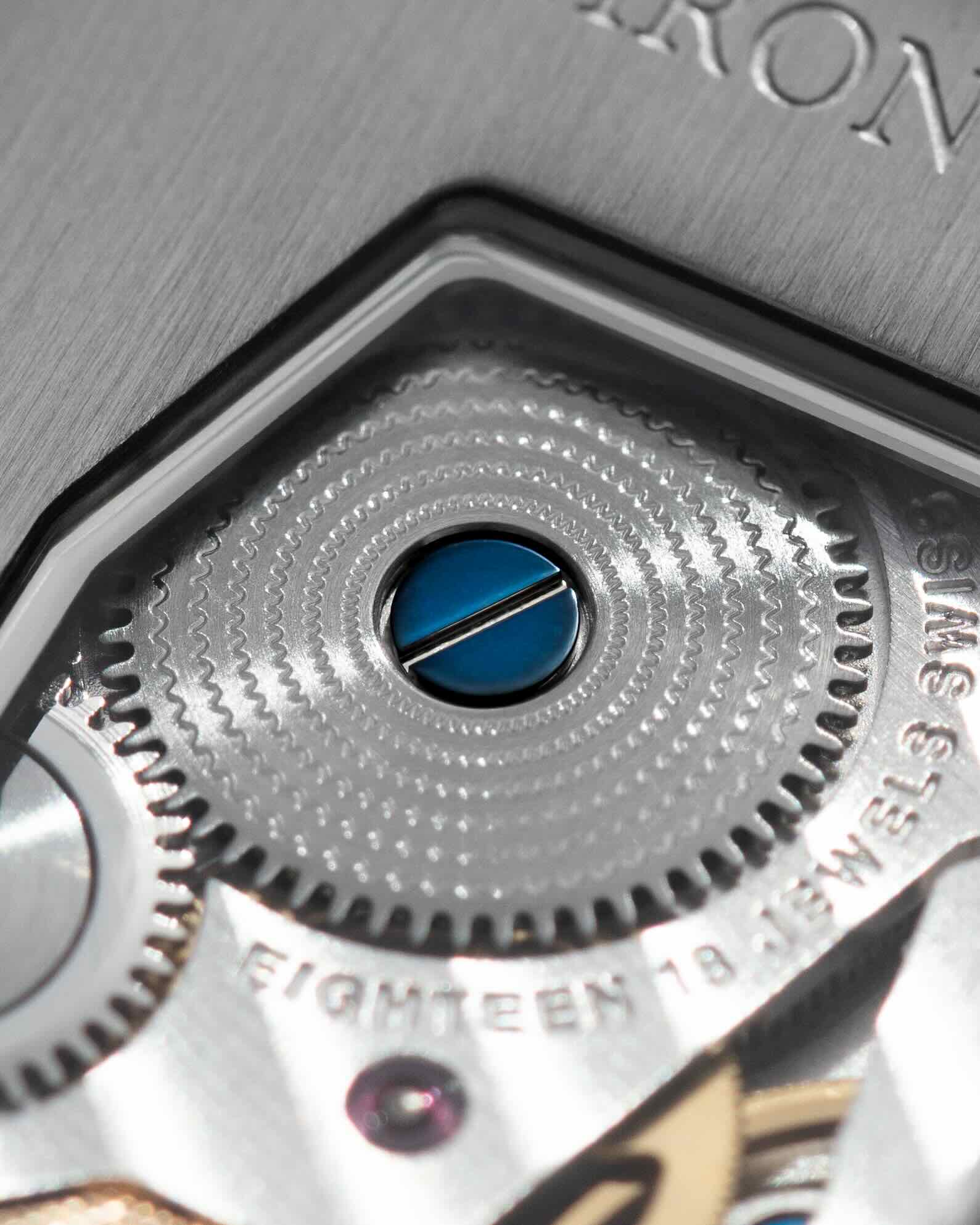
About the only polarizing element on the dial is the large Chronoswiss signature, which some would prefer toned down, arguing that the design is strong enough to stand on its own.
Inside The Case: Caliber C.85757 And Mechanical Digital Magic
Behind the theatrical digital display is the new Chronoswiss Caliber C.85757, a hand-wound movement developed specifically to handle the unique energy demands of a jumping hour mechanism. Beating at 3 Hz and offering a 48-hour power reserve, the caliber uses a proprietary in-house module to coordinate the instantaneous hour jump and the smooth progression of the minute and seconds discs. Every full hour, stored energy is released to snap the hour disc forward – a tiny mechanical drama that happens sixty times a day.
As with most Chronoswiss creations, the finishing is meant to be enjoyed, not hidden. Through the display back, bridges and wheels reveal a mix of carefully applied decoration, including partially hand-guilloché surfaces that catch the light in swirling patterns. It is not an over-the-top, movement-as-jewelry approach, but rather a restrained, craftsman-like treatment that feels aligned with the brand’s roots. For collectors who care as much about what happens under the dial as what is visible on top, the Neo Digiteur offers plenty to linger over with a loupe.
Wearing Experience, Price Debate, And The Steel vs Gold Question
On the wrist, the Neo Digiteur is one of those rare pieces that instantly announces itself as different without shouting. The rectangular form and digital windows draw attention, but the monochrome color schemes and moderate footprint keep it from feeling like a novelty toy. Winding the hand-wound caliber each day becomes part ritual, part reminder that this is a digital display executed the old-fashioned way – through gears, springs, and careful regulation.
Of course, no modern luxury release escapes price scrutiny. Priced at around $15,200 USD (approximately 12,500 CHF), the Neo Digiteur sits squarely in high-end territory, and that has sparked some heated discussion among enthusiasts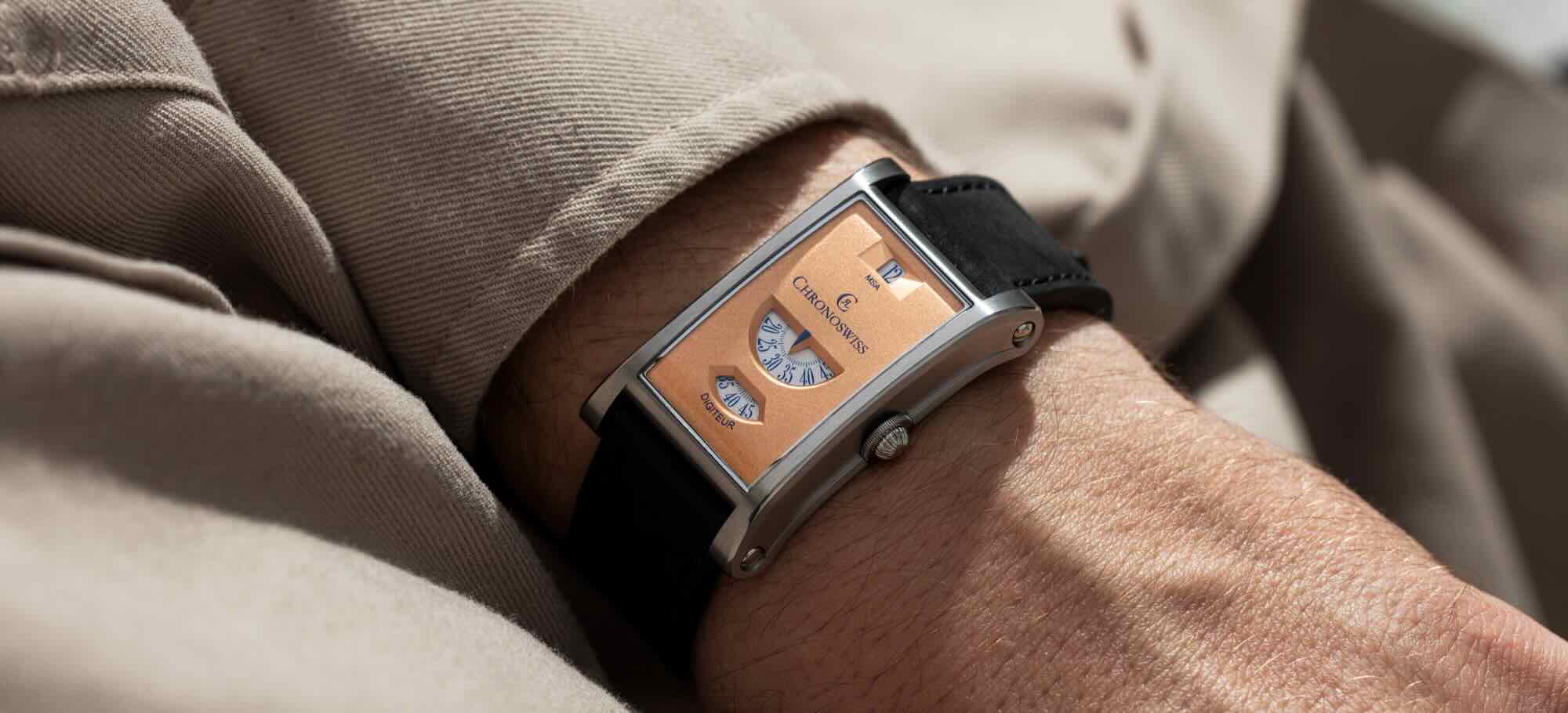
. Critics point out that a pre-owned first-series Digiteur in 18K gold can sometimes be found for less, and question whether a steel case, however well finished, justifies a higher price than an earlier gold model. Others argue that the new caliber, the artisan finishing, and the minuscule production run of 99 pieces per dial color move this into the realm of collectible mechanical art rather than simple steel watch.
The truth likely lies somewhere between those camps. This is not a value-driven daily beater and was never intended to be one. It is a niche, statement piece from a niche, statement brand. If you fall in love with the Neo Digiteur’s mix of Art Deco geometry, mechanical digital weirdness, and modern Chronoswiss flair – particularly in that sandy 4N variant that so many enthusiasts seem to favor – the sticker price will feel more like the admission fee to a very small club.
A Modern Digital Classic For Mechanical Outsiders
Ultimately, the Chronoswiss Neo Digiteur encapsulates what the brand does best: take the long, traditional lineage of Swiss watchmaking and twist it just enough to feel unconventional. The watch pays genuine homage to the experimental spirit of the Roaring Twenties and to the original 2005 Digiteur, yet it refuses to be a simple nostalgia piece. The redesigned case, updated ergonomics, carefully tuned dial architecture, and dedicated Caliber C.85757 all push the concept forward instead of simply rehashing the past.
In a sea of familiar round divers and vintage-inspired chronographs, the Neo Digiteur stands apart as a mechanical digital oddity with purpose. For collectors who want a talking piece that still respects traditional craftsmanship, and for those who have always been intrigued by the idea of a digital watch that never needs a battery, this limited-run model will be hard to ignore – even if, as some commenters note, you might wish the brand’s logo were smaller and the price tag a little friendlier. Love it or side-eye it, the Chronoswiss Neo Digiteur is proof that there is still room in modern horology for bold, contrarian ideas.
1 comment
Respect to them for not painting it bright purple or toxic green just to chase Instagram likes. Understated colors make it look grown up