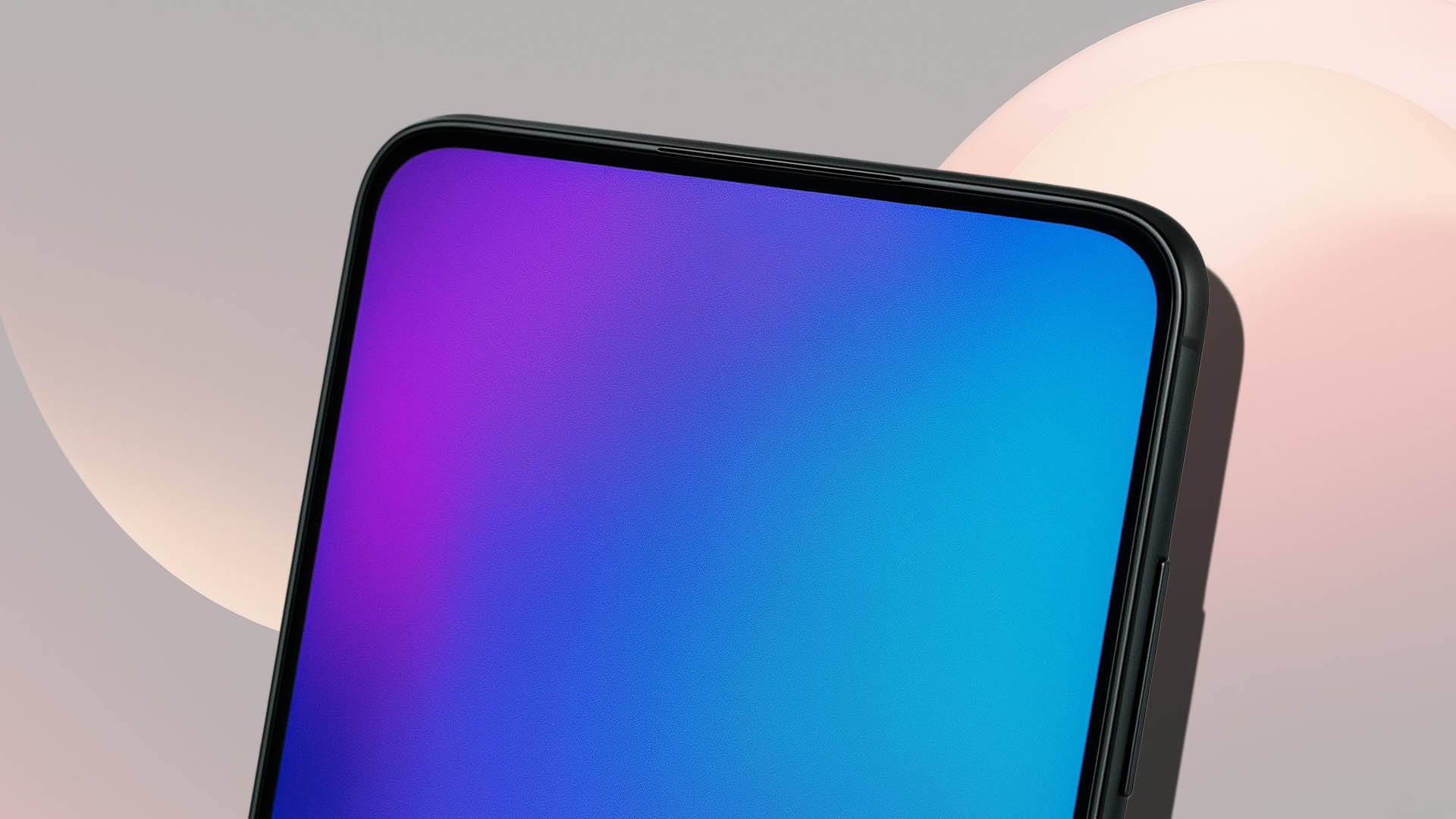
iPhone’s Next Big Leap: An All-Screen Front With the Camera and Face ID Hidden Under the Display
For more than a decade, Apple has been chiseling away at the bezels of the iPhone. From the classic forehead and chin to the notch, then to Dynamic Island, each step reduced the visible hardware on the front. The logical finish line is obvious: a true all-screen iPhone with the selfie camera and Face ID sensors living invisibly under the display
. The latest supply-chain chatter claims that Apple could cross that line around the iPhone’s 20th anniversary in 2027 – potentially with a lineup informally dubbed iPhone 20 – though some well-placed analysts argue the technology may not fully mature until around 2030. Here’s where the rumor stands, why it’s so hard, and what would have to happen for Apple to pull it off.
Rumor scorecard
Assessment: Plausible (50%)
- Source: 3/5 – repeat tips from East Asian social platforms and supply partners
- Corroboration: 1/5 – few independent cross-checks so far
- Technical readiness: 2/5 – prototypes exist, mass-market quality remains challenging
- Timeline confidence: 4/5 – 2027 is compelling as the 20-year milestone
One frequent tipster on Chinese social media suggests a two-step transition: a punch-hole design expected for the iPhone 18 generation (likely 2026), followed by a move to under-panel camera and under-panel TrueDepth for the 2027 models. That same chatter even floats a transparent rear shell experiment – flashy, sure, but hardly guaranteed. Counter-weighting the optimism, display supply experts envision a phased approach that doesn’t deliver a fully “notchless” iPhone until later in the decade.
Why under-display cameras are so hard
Android pioneers have tried this for years. ZTE shipped early versions; Vivo and others demoed iterations; some brands teased flagships beyond 2027. The reason you don’t see the feature everywhere is simple: physics. A camera peers through an active OLED panel and a stack that can include a transparent cathode, color filter remnants, thin-film encapsulation, and a specialized pixel matrix. Even with a sparser pixel layout above the camera, light transmission is limited; diffraction and scattering degrade sharpness; color shifts and haze creep in; and micro-lens arrays, AI de-hazing, and custom demosaicing only partially recover detail. That’s before you consider Face ID-class requirements: infrared flood illuminator, dot projector, proximity and ambient sensors, and the selfie camera must all perform precisely through that same stack.
To reach Apple’s bar, vendors need multiple breakthroughs at once: higher-transmittance OLED sub-pixel patterns that don’t look different from the rest of the screen, better transparent electrode materials, improved optical compensation layers, smarter on-sensor algorithms, and production yields that make financial sense at iPhone scale. It’s not that the tech doesn’t exist; it’s that it has to look imperceptible to users in both directions – screen quality over the camera area and camera quality through the screen – while surviving years of use.
What a 2027 launch would look like
Anniversaries are catnip for product marketing. In 2017, Apple marked a decade of iPhone with the iPhone X and its OLED notch. In 2027, a 20-year milestone practically begs for a visual reset: the first iPhone with no visible cutout. If Apple aligns its silicon, optics, and panel partners, we could see a six-model family with under-panel Face ID and a hidden front camera. Expect Apple to keep the display uniformity pristine, avoid the milky patch you sometimes notice on competing under-display areas, and lean on computational photography to claw back detail in low light. On the Face ID side, sub-display IR performance and power efficiency would need to match or beat today’s modules – no one wants slower unlocks or more false negatives.
But 2030 isn’t a crazy date either
The more conservative view says that mass-production quality, yields, and cost curves need another turn of the wheel. Apple rarely ships a flagship feature until it clears three hurdles: it must be better than what came before, not just different; it must be reliable across hundreds of millions of units; and it must not compromise battery life or display longevity. If any one of those lags, Apple could continue refining Dynamic Island while ramping the under-panel stack in parallel.
What Android’s head start really means
Under-display selfie cameras have shipped, but early results were soft and hazy – good enough for video calls, not great for high-end selfies. Supporters argue that algorithms and newer OLED masks have drastically improved, and some recent Chinese flagships already flirt with acceptable quality. Skeptics counter that if it truly matched normal cameras, the feature would be ubiquitous by now. The truth is in the middle: the tech is maturing, but pushing it to iPhone-level consistency is a different sport.
Bottom line
A 2027 “iPhone 20” with an invisible camera and Face ID is a plausible headline – especially for a milestone year – but the engineering asks are enormous. Watch for telltale signs over the next 18 months: supplier roadmaps for under-panel sensors, OLED transmittance improvements without visible artifacts, and any shift in Apple’s marketing language around Dynamic Island. When those dominoes fall in public, you’ll know the all-screen iPhone is truly around the corner.
How we rate rumors
0–20% Unlikely: lacks credible sourcing • 21–40% Questionable: some concerns remain • 41–60% Plausible: reasonable evidence • 61–80% Probable: strong evidence • 81–100% Highly likely: multiple reliable sources in agreement.
2 comments
If Apple does it, they gotta nail Face ID speed. No one wants slower unlock just for vibes
lol 20 yrs later and we finally get full screen? took long enough 😂