The 5 year iPhone rhythm: why an all screen iPhone 20 Pro in 2027 suddenly looks inevitable
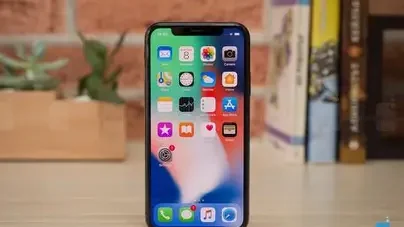
Every few years Apple redraws the silhouette of the iPhone, and the changes are big enough that they reset what we think a phone should look like. Look back and a clear cadence pops into view. In 2017, iPhone X debuted the notch and made room for the complex TrueDepth system that powers Face ID. The shape became a cultural shorthand for iPhone, loved and loathed in equal measure. Rivals mocked it in ads, yet even Google briefly embraced a giant notch on the Pixel 3 XL. Five years later, in 2022, the Pro models shifted again, trading the fixed notch for Dynamic Island. Part cutout, part interface layer, it turned dead space into glanceable live activity. If that five year drumbeat continues, the next turn of the wheel lands in 2027. Reports from repeat leakers suggest that is when Apple aims to deliver the change fans have wanted for a decade: a truly uninterrupted display.
From notch to island to invisible
The rumored path to that clean expanse of glass arrives in two steps. First comes 2026. Guidance circulating among supply chain watchers says Apple intends to move the Face ID hardware under the screen for iPhone 18 Pro and iPhone 18 Pro Max. That shift would eliminate the Dynamic Island for those models, replacing it with a small punch hole for the selfie camera. A year later, in 2027, the punch hole itself is projected to disappear when Apple adopts an under display front camera on the iPhone 20 Pro line. The result would be the first all screen iPhone with no cutouts at all, matching the dream shown in so many concept renders for so many years.
How under display imaging actually works
Hiding optics under pixels is not magic. It requires a display area with carefully tuned transparency, sophisticated pixel patterns, and heavy computational photography to compensate for light scattering and color shifts as photons pass through the panel. Early versions on other devices showed tradeoffs in sharpness and contrast. Apple is famous for waiting until the parts list and image processing line up to deliver consistent results. That is why a phased approach makes sense. Getting Face ID to read accurately under the glass in 2026 lays the foundation, both technically and in public expectations. Only after that milestone does it become realistic to hide the selfie camera and still meet Apple level image quality.
The all glass slab that Jobs and Ive imagined
The rumored 2027 Pro models are described as having no cutouts, no buttons, no ports, and effectively no bezels. In other words, the phone becomes a seamless slab of glass that lights up. That aesthetic has been a north star since the first iPhone. Back in 2007, physical constraints forced compromises. You needed a charging port. You needed physical buttons. Bezels were necessary to house sensors and the display controller. Two decades later, most of those constraints have melt away. Magnetic charging via MagSafe removes the need for a cable. AirDrop and short range wireless can handle everyday transfers, and reports even float the idea of higher speed magnetic data that could eventually stand in for a cable when you truly need throughput.
Buttons become software
Without mechanical buttons, the familiar power and volume controls can live as context aware, haptic backed zones on the frame or even as on screen controls that appear only when needed. Virtual controls are programmable, remappable, and easier to weather seal. For accessibility, Apple could let users move or resize these zones, or temporarily pin persistent controls in low power standby. The design language shifts from clacking mechanical toggles to fluid software behavior that can change with modes, Focus settings, or apps.
The five year pattern and the name that skips nineteen
There is also the matter of branding. To mark twenty years since the original iPhone shipped on June 29, 2007, rumor mill consensus says Apple may jump the number line and name the 2027 family iPhone 20, quietly skipping iPhone 19 just as iPhone 9 never happened. Regardless of the exact naming, the rhythm is the story. 2017 brought the notch. 2022 introduced Dynamic Island. 2026 moves Face ID under glass. 2027 hides the camera and finishes the job. If the cadence holds, the next major exterior rethink lands around 2032 with the iPhone 25 Pro generation, though predicting that far out is more parlor game than product roadmap.
What a portless future means for your accessories
The one unavoidable friction point is the accessory drawer. A phone with no port changes how you charge, dock, and connect. MagSafe becomes mandatory for power and likely for any wired class data scenario. Buyers of the iPhone 20 Pro era may need to pick up new chargers, car mounts, desk stands, and battery packs that align perfectly with Apple magnet geometry and handshake protocols. That initial expense is the tax of progress. The optimistic spin is that it is a one time migration, and the payoff is a cleaner, sealed device that is more resistant to dust and liquid and simpler to manufacture at scale.
Goodbye Dynamic Island, hello full canvas UI
An all screen front removes the last hard constraint on the iOS status area. Live Activities, media controls, navigation prompts, and call indicators can expand fluidly without wrapping around a cutout. Developers could gain a consistent rectangular canvas with fewer safe area exceptions to juggle. It also invites new ideas in glanceable UI, like subtle ambient elements that live in the top row when needed and gracefully vanish when not.
Display uniformity, brightness, and camera quality
The biggest technical challenge is image quality. Shooting through a display stack can reduce edge acuity, increase flare, and shift white balance. Expect Apple to combine specialized panel regions with custom lens coatings and heavy computational photography to balance the equation. On the display side, the under camera zone must also match surrounding brightness and color under all conditions so that you do not see a patch when viewing bright content. Achieving both invisibility and photographic integrity is the engineering trick that has kept under display cameras from mainstream acceptance. 2027 is when those lines are expected to cross.
Why 2026 matters just as much
Face ID under the screen in 2026 is a massive tell. It proves Apple can preserve fast, secure biometric unlock without a visible module. It rightsizes expectations by keeping a small camera hole for one more year while the imaging pipeline for the hidden selfie camera matures. And it gives accessory makers twelve months to redesign mounts and screen protectors for a world with no island and, soon after, no hole at all.
Cost, availability, and the premium tax
None of this will be cheap. The first generation of any new display integration carries yield costs. Under panel optics, next gen haptics for virtual controls, and the structural work needed to remove buttons and ports will push these Pro models to the top of Apple pricing. In exchange, buyers get a device that finally realizes the minimalist ideal that has hovered over smartphone design for years.
What could slip the timeline
Timelines are made of people, parts, and production. If camera quality under the panel is not consistently excellent, Apple will delay. If panel makers cannot deliver uniformity across tens of millions of units, Apple will delay. The five year rhythm is a pattern, not a promise. Still, the industry signals line up with a 2026 Face ID move and a 2027 full screen moment. When it arrives, the iPhone silhouette once again changes, and the rest of the market will inevitably orbit around that decision.
Bottom line
All signs point to 2027 as the year Apple turns the iPhone into uninterrupted glass on the Pro tier, likely under the iPhone 20 name. A year earlier, Face ID goes under the display on iPhone 18 Pro, clearing the path. The Dynamic Island era was a clever bridge, but the destination has always been a display with nothing in the way. If you have been waiting for that look, the five year beat says the wait is nearly over.
1 comment
So we all buying new MagSafe stuff again, cool cool cool 🙃