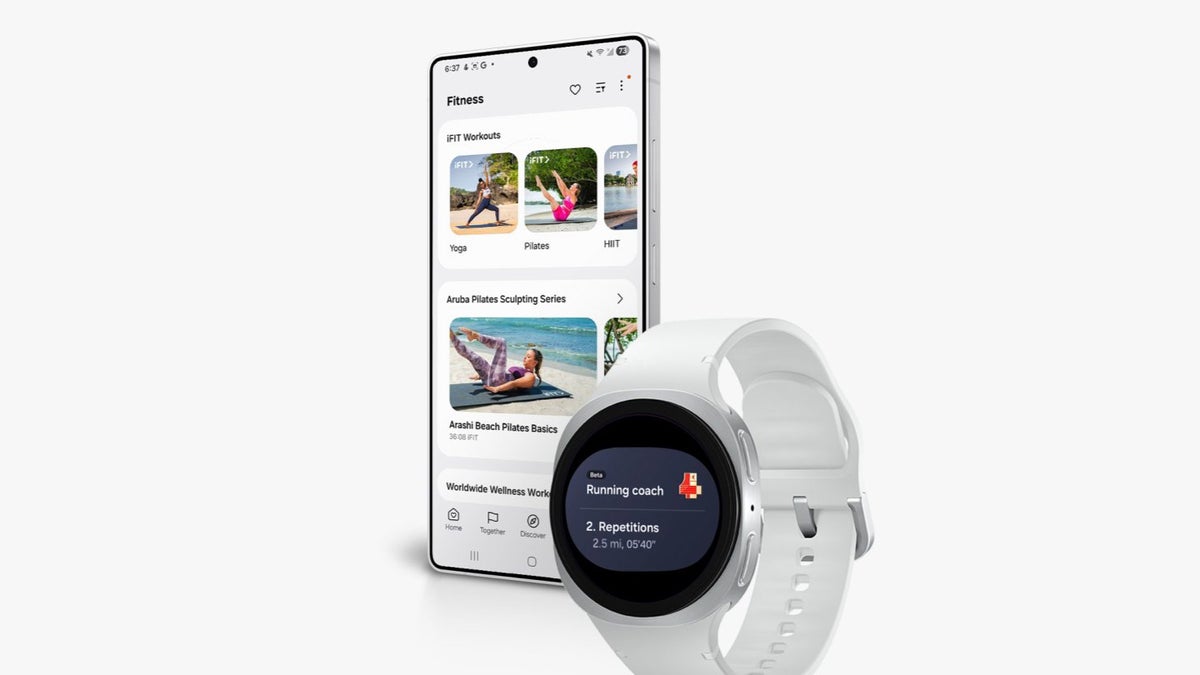
Samsung Health + iFIT: A Bigger, Smarter Fitness Push for Galaxy Watch Owners
Samsung is turning its health platform from a passive data vault into an everyday training destination. The headline move: a new partnership that brings iFIT’s premium, coach-led workouts directly into the Samsung Health app. For anyone wearing a Samsung Galaxy Watch, that means guided sessions with live metrics on your wrist and a service that finally feels like a true answer to Apple Fitness+.
What’s actually new
The integration puts iFIT’s video library inside Samsung Health, organized across seven popular categories – think HIIT, yoga, strength, mindfulness and more – so you don’t have to juggle third-party apps to start training. Samsung is using a clear freemium setup: each month you can stream one on-demand class per category at no cost. If you want the full catalog of hundreds of sessions and ongoing new releases, you can subscribe for $9.99/month or $99.99/year.
For Galaxy Watch users, the experience ties hardware to content in a way that makes sense. Start a session and your watch surfaces core metrics – heart rate, calories burned, and workout duration – synced alongside the video so you can pace intervals, dial in effort zones, and see how recovery segments affect your HR in real time. When the workout ends, it all funnels back into Samsung Health’s history, closing the loop between training and long-term tracking.
Why this matters now
Apple Fitness+ has been a cornerstone of Apple Watch value for years: one subscription, polished classes, seamless watch integration. Samsung, by contrast, had great sensors and reliable tracking but sent users hunting for premium programming across separate apps. Folding iFIT into Samsung Health tightens the Galaxy ecosystem. It reduces friction, keeps you inside one app, and makes the watch more than a tracker – now it’s a guided coaching device.
There’s also a stickiness play here. When your workouts, history, and goals live in one place – and your watch makes classes feel easier to follow – you’re less likely to abandon the platform or switch ecosystems. That’s a quiet but powerful retention strategy, especially as wearable buyers consider long-term software value, not just specs.
Pricing and the freemium catch
The single free video per category each month is generous enough to sample, but the structure clearly nudges most active people toward paying. If you train three to five times per week, you’ll hit the paywall fast. Apple’s “all-in” subscription still feels simpler, but Samsung’s approach lowers the entry barrier for curious newcomers or casual exercisers who want guided sessions without immediate commitment.
How it changes day-to-day use
- Less app hopping: Open Samsung Health, pick a workout, press play. Your watch auto-tracks, your phone (or tablet) streams the session, and results save to the same timeline you already review.
- Better context: Seeing heart rate zones and calorie burn while a coach cues form or pacing turns raw metrics into actionable feedback.
- More reasons to wear the watch: If you’ve been using Galaxy Watch mostly for steps and sleep, guided strength or mobility blocks add value between runs and rides.
Who benefits most
Newer athletes who want structured coaching without hiring a trainer will find approachable on-ramps across categories. Busy professionals can fit 10–20 minute sessions into breaks and still see meaningful progress. And data-driven users get the satisfaction of tying subjective effort to objective numbers inside one ecosystem, improving long-term adherence.
Limits and expectations
This move is unlikely to convert entrenched Apple users on its own – platform switching is hard, and Apple’s fitness service remains excellent. But that may not be the point. The real win is retention: keeping Galaxy owners happy, reducing reasons to churn, and proving that Samsung’s software can match its hardware ambition.
The bottom line
Samsung Health’s iFIT integration fills the last obvious gap in the Galaxy Watch story. With premium workouts, tight on-wrist metrics, and a predictable price, Samsung now offers a cohesive fitness pathway from first workout to long-term insight. It’s a smart, overdue upgrade that turns the Galaxy Watch from “great tracker” into a more complete training companion – and that makes the whole ecosystem stronger.
2 comments
One free vid per category feels stingy tbh, but $9.99 is fine
Tried a yoga class on lunch break… legs shaking, 10/10 would suffer again