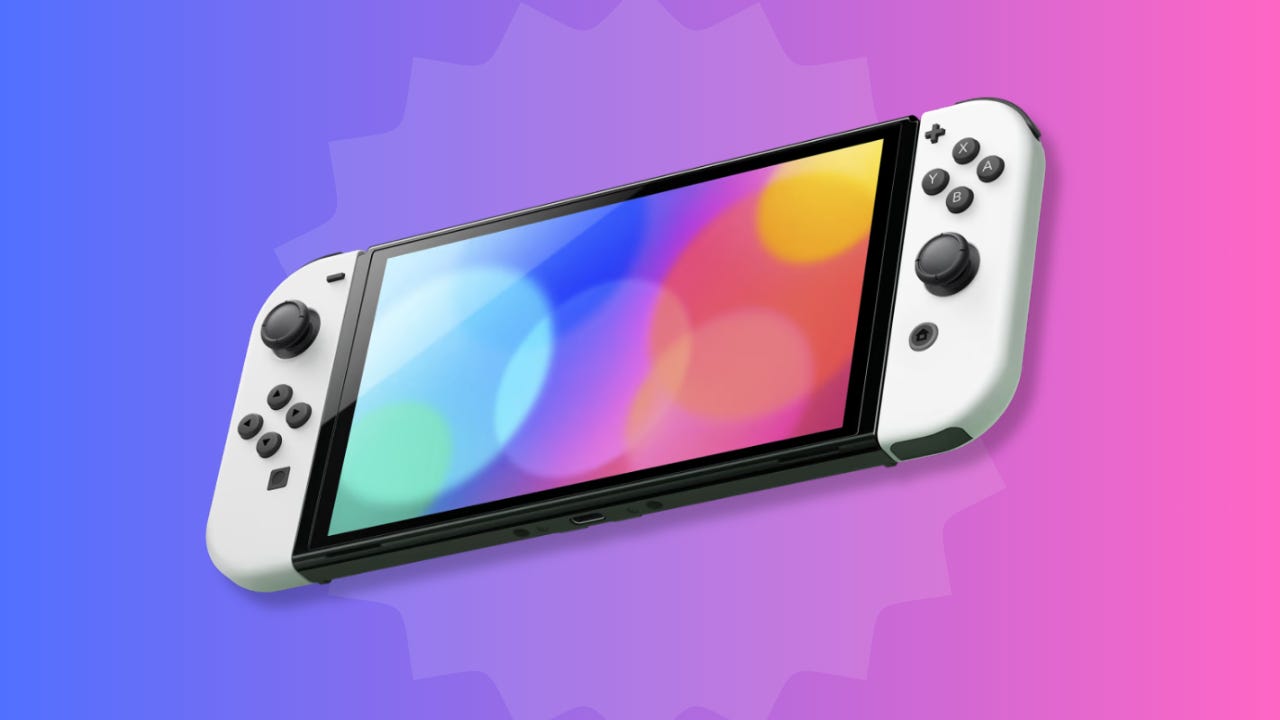
Nintendo Plays Down Fears of a Switch 2 Price Hike – but the Real Cost Story Is Bigger
With Sony and Microsoft nudging prices up on PlayStation 5 and Xbox Series consoles in multiple regions this year, many expected Nintendo to follow suit with its next system. Instead, Nintendo’s president Shuntaro Furukawa is signaling calm. In a recent shareholder Q&A, he suggested the company is comfortable with the current price point for the forthcoming Switch 2 and expects to protect hardware margins even as some component costs rise.
Furukawa’s message was measured rather than boastful. The company, he said, plans to offset pricier parts through efficiencies gained from ongoing mass production and other savings. The subtext: Switch 2 can stay profitable at today’s sticker price without an immediate hike.
“We believe we’ll be able to maintain the current level of profitability for hardware for the time being unless there are significant changes in external factors, such as a shift in tariff assumptions, or other unexpected events.”
That last caveat matters. Currency swings, shipping surcharges, or a fresh round of tariffs can swamp even the best cost-saving playbook. Nintendo is leaving itself room to adapt if macro conditions turn.
Sticker Price vs. Real-World Spend
Fans hear “no price hike” and breathe easier, especially in a year when PS5 added around $50 to certain models in select markets and Xbox Series X|S saw increases of its own. But hardware stickers are only part of the ownership equation. The past 18 months have seen a different kind of inflation: accessories creeping up, subscriptions trending higher, and select premium game releases testing the $70–$80 ceiling. Nintendo has already adjusted pricing on legacy Switch hardware in some territories and several first-party accessories now command a premium. None of this contradicts Furukawa’s point about base hardware margins; it simply means the total cost of a console generation is broader than the box.
That’s why the community splits. One camp argues Switch 2 remains the best value in mainstream consoles if Nintendo holds the line on the base unit. Another counters that “effective pricing” has already risen through controllers, memory cards, and subscriptions – and that a quiet shift can feel like a hike even if the launch price doesn’t move.
What Nintendo Is Betting On
Nintendo’s strategy leans on three pillars:
- Scale and learning-curve savings: Once production ramps, component sourcing and yields typically improve, shaving dollars per unit.
- Platform economics: A healthy attach rate of software, services, and accessories subsidizes aggressive hardware positioning.
- Audience tolerance: If players perceive clear value – hybrid play, first-party hits, sturdy battery life – they’ll accept minor trade-offs elsewhere.
There’s also a competitive angle. Sony and Microsoft opted for higher shelf prices in several regions; Nintendo can present a steadier hand, positioning Switch 2 as the dependable, family-friendly buy heading into major shopping periods. Expect bundles and value messaging rather than headline-grabbing cuts.
The Wildcards: Tariffs, Components, and Timing
Furukawa explicitly named tariffs as a risk factor, and that’s not theoretical. A shift in trade policy between launch and peak production can erase thin margins overnight. Memory and display prices are likewise cyclical; a tight supply quarter can bend a bill of materials. The pragmatic read on Nintendo’s statement is not “prices will never change,” but “no change is planned unless external pressure forces our hand.” Some industry watchers even suspect a familiar pattern: hold steady through the holidays, reassess in the new year if conditions worsen.
Value, Games, and the ‘Killer App’ Question
One thread through community feedback is simple: value is ultimately defined by software. A few fans remain unconvinced by the early lineup – hoping for a blowout Mario Kart, a showpiece Donkey Kong, or a first-person Metroid that justifies new hardware. Others say they’ll stick with existing consoles or jump to devices like Steam Deck if Nintendo’s launch slate feels thin or ports-heavy. Hardware price nerves fade fast when a must-play arrives; they intensify when launch windows feel familiar.
Bottom Line
Nintendo’s leadership just told investors it can keep Switch 2 profitable without hiking the sticker price, thanks to manufacturing efficiencies and scale. That’s good news for anyone bracing for a PS5/Xbox-style bump. Still, the company left the door open if tariffs or other shocks demand a rethink. For buyers, the smartest perspective is holistic: look at total ownership – accessories, online services, and the games you actually plan to buy – rather than the console price alone. If Nintendo nails the launch lineup and keeps the base price steady, Switch 2 could feel like the rare win in a year of inflation fatigue. If not, expect the debate over “real” cost to rage on, even without a formal price rise.
2 comments
Nintendo’s making up the diff with accessory prices, let’s be real. Nostalgia tax is wild
I’m out on the big 3 rn. Dusting off my old consoles and grabbing a Steam Deck instead