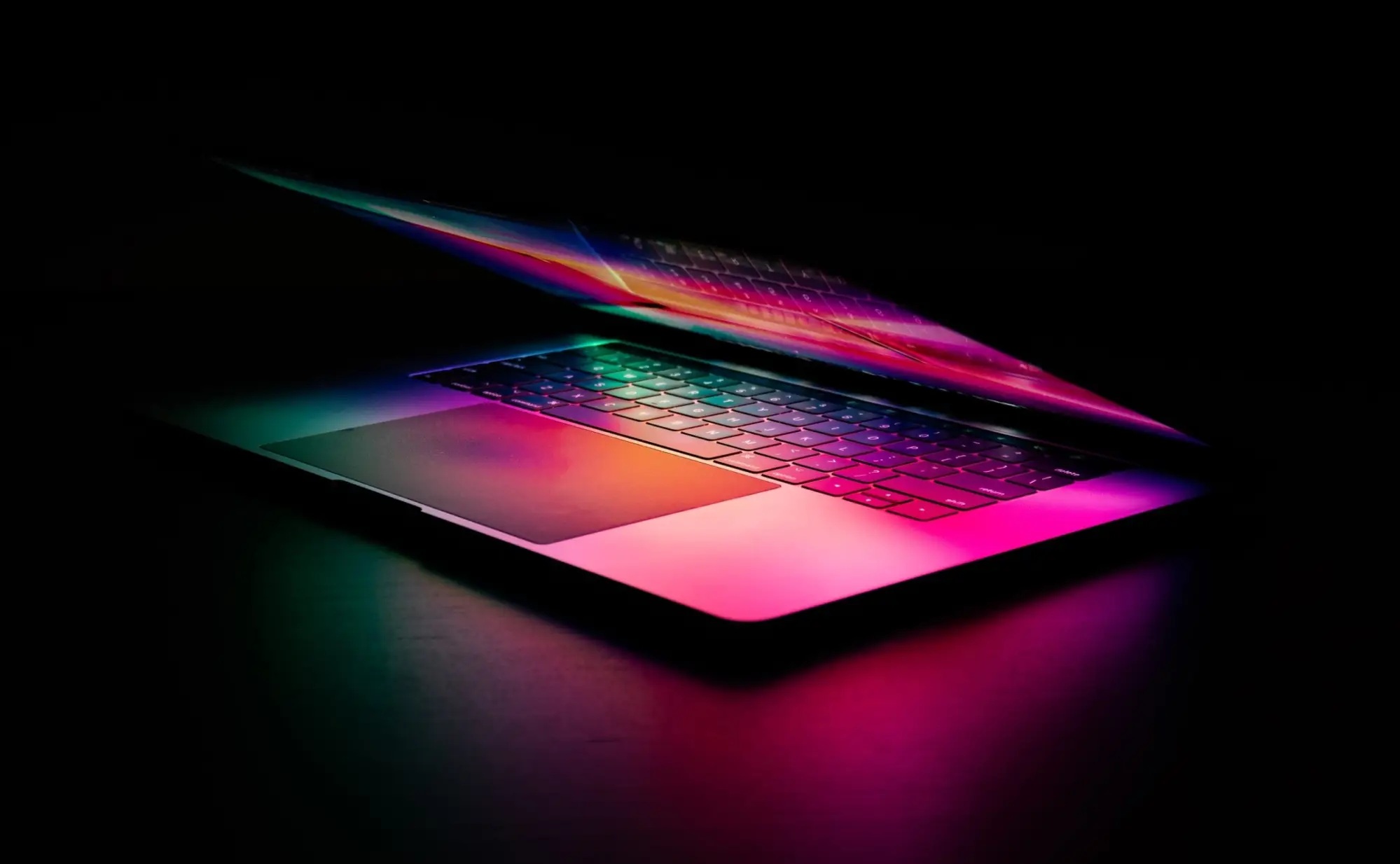
The next major MacBook Pro refresh is shaping up to be more than a routine chip bump. Multiple, well-placed reports indicate Apple is preparing a redesigned MacBook Pro that pairs the M6 Pro and M6 Max chips with OLED panels, touch support, a slimmer body, a notchless display, and a new hinge. The headline change is OLED – marking a departure from mini-LED on select Pro models – and, if history is any guide, the company will attach a notable premium to the first generation of this hardware. Here’s what’s changing, why it matters, how the timing likely plays out, and what it means for buyers weighing an upgrade.
What’s actually new
Apple’s plan reportedly centers on two high-end configurations: MacBook Pro with M6 Pro and MacBook Pro with M6 Max. Those are the machines tipped to gain OLED and a fresh industrial design. Expect a thinner chassis, a refined hinge mechanism, and – crucially – a notchless screen thanks to the panel switch. Touch input is said to be included, finally aligning macOS laptops with the growing list of touch-enabled pro notebooks in the Windows world. Base M6 machines are not currently on the short list for the new panel or redesign, preserving clear feature separation across the line.
OLED vs. mini-LED: why the fuss
Mini-LED has delivered high brightness and very good HDR, but OLED’s per-pixel lighting promises deeper blacks, near-instantaneous response times, and finer-grained HDR control with fewer blooming artifacts. For creative pros, the appeal is obvious: richer shadow detail, truer blacks on video timelines, and excellent off-axis consistency. OLED can also be efficient in darker UI themes, though sustained full-screen brightness may still favor mini-LED. Concerns about burn-in persist, but modern compensation techniques, panel rotation, and UI mitigations have made the risk manageable for most workflows.
About that price – and the “forced” debate
Language like “forcing customers to pay more” makes for a punchy headline, but it’s not the full picture. Apple’s strategy has long been to debut new display tech at the top end, then let it drift down the stack as yields improve and costs fall. In practice, no one is compelled to buy the first wave. If OLED, touch, and the new chassis matter to your work, the M6 Pro/Max machines will likely be the only way to get them at launch. If they don’t, the current mini-LED models (and future base M6 laptops) will remain viable – and probably better value – options.
Timeline: when to expect it
The window most often cited puts the OLED MacBook Pro in the late-2026 to early-2027 period. That aligns with panel-production ramp schedules we’ve heard about for large laptop OLED. Any slippage in equipment installation or yield targets would push retail availability, so treat that timeframe as a target rather than a promise. In the meantime, Apple is expected to cycle the rest of the Mac lineup to M5 in 2026 – think M5 Pro, M5 Max, and M5 Ultra for updated MacBook Pro and Mac Studio, with M5 Air and Mac mini following – keeping the broader portfolio moving while OLED Pro notebooks mature.
What it means for different buyers
- Editors, colorists, and photographers: OLED’s black floor, HDR precision, and viewing-angle stability are compelling. If you push a reference monitor now, you’ll appreciate the on-the-go upgrade.
- Developers and productivity users: Touch support on macOS won’t transform terminal sessions, but it could improve document markup, UI testing, and quick interactions. If you’ve wanted to pinch-zoom Figma prototypes without a trackpad dance, you’ll care.
- Students and general users: Today’s mini-LED MacBook Pro remains overkill for many. If price is paramount, waiting for OLED is unnecessary; the value play likely sits with existing models or the future base M6 machines.
Hardware vs. software reality
The best panel and hinge in the world can still be undercut by software quirks. macOS remains polished and performant, but power users rightly point out annoyances – from window management limits to occasional UI regressions. An OLED, touch-enabled MacBook Pro will raise expectations for macOS to meet that hardware ambition with equally thoughtful interaction design.
Rumor scorecard
On balance, the evidence for OLED, touch, and a redesign limited to M6 Pro/Max looks highly likely. Source reliability is strong, independent corroboration exists, the technical path is straightforward (Apple already ships OLED at scale on smaller devices), and the production timeline – while always fluid – tracks with known industry ramp cycles.
Bottom line
If you crave the best display Apple has ever put in a laptop and want touch on a Mac without compromises, the OLED MacBook Pro with M6 Pro/Max is the one to watch – just budget for a first-generation premium. Everyone else can comfortably buy now or plan around the incoming M5 wave in 2026, knowing that Apple’s tiered strategy means there will be strong, reasonably priced options that don’t demand the bleeding edge.
2 comments
OLED on a MacBook? Finally. Been using Windows OLED laptops for years – once you go true black, you don’t go back 😅
“Forcing” is a weird take. Nobody’s holding a gun to ur wallet. If OLED + touch helps my workflow, I’ll pay. If not, last-gen is fine