Lava Agni 4: Big AMOLED, fresh design, and a spec sheet that finally swings for the fences
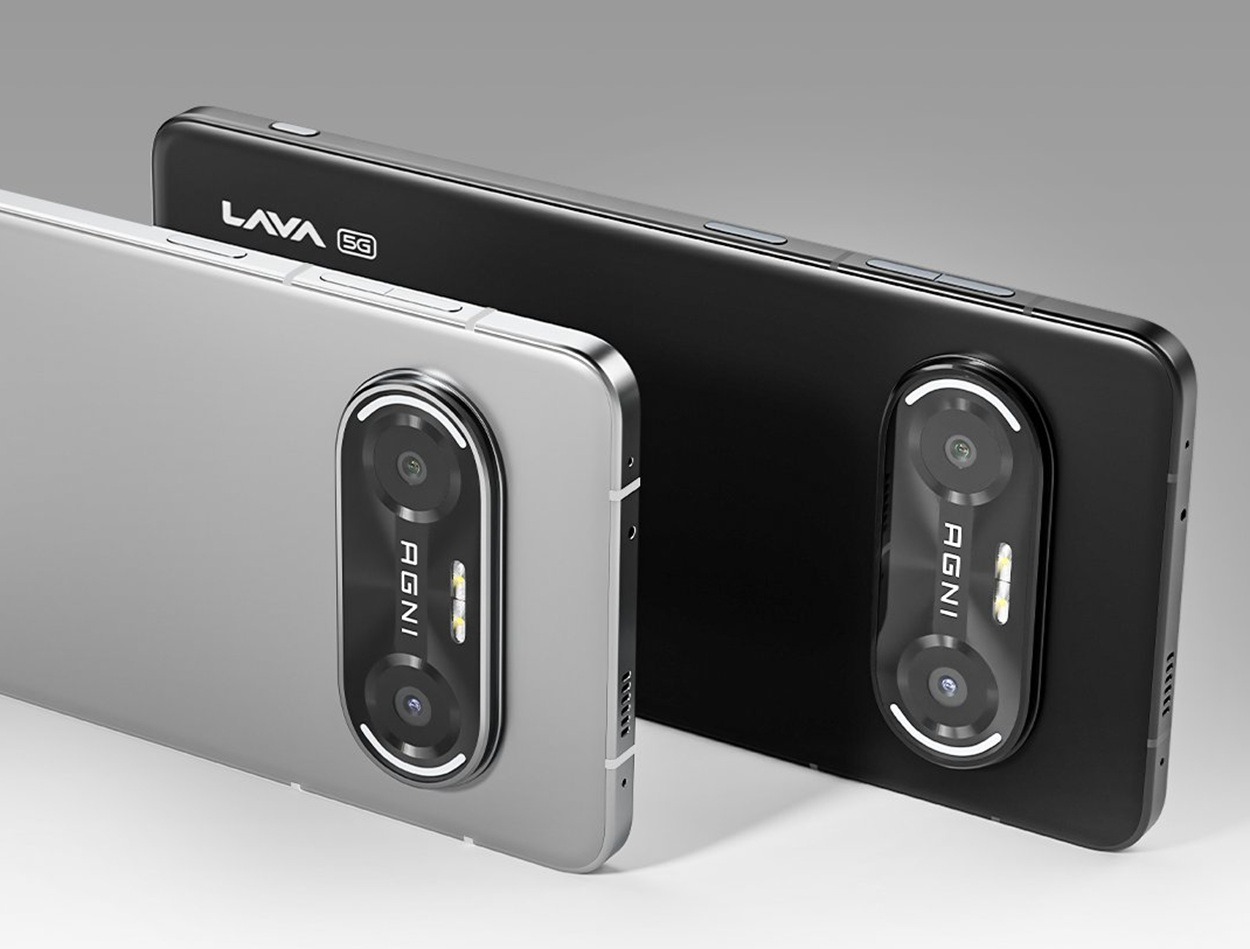
Lava has confirmed that the Agni 4 will be unveiled on November 20, and the company has been drip-feeding details in a steady teaser blitz. The message is clear: this is the most ambitious Agni yet. The rear display from the Agni 3 has been retired, replaced by a cleaner glass back, a rigid metal frame, and a distinctive LED light strip ringing the camera island. It looks more mature, less gimmicky – and purpose-built for performance.
Display and biometrics
Front and center is a 6.67-inch AMOLED panel with impressively uniform 1.15 mm bezels. Lava calls the resolution “1.5K,” paired with a smooth 120 Hz refresh rate and a claimed 2,400-nit peak brightness for better visibility in harsh sunlight. An in-display fingerprint reader keeps the sides clean.
Performance, memory, and connectivity
Under the hood sits MediaTek’s new Dimensity 8350, matched with 8 GB LPDDR5X RAM and up to 256 GB UFS 4.0 storage. On paper, that combo should deliver swift app launches and solid gaming thermals. Network support is broad too: 14 5G bands, Wi-Fi 6E, Bluetooth 5.4, plus a surprisingly handy IR blaster for controlling TVs and ACs.
Cameras
The rear setup is pragmatic: a 50 MP main camera with OIS and an 8 MP ultrawide. Selfie duties are handled by another 50 MP sensor. If tuning lands right, this could be the first Agni to truly compete at night and in video stabilization – two places where OIS tends to matter most.
Software and updates
Lava hasn’t named the launch build, but the silence strongly hints at Android 15 out of the box rather than Android 16. The company promises three major OS updates and four years of security patches, finally aligning the Agni line with what shoppers expect in 2025.
Battery, charging, and what’s still rumor
Battery capacity isn’t official yet, but industry chatter points to a 7,000 mAh pack with 66 W wired charging. If true, that’s weekend-friendly endurance without making charging times feel dated. We’ll still need to see how Lava manages weight distribution and heat with a cell this large.
Specs at a glance
| Build | Metal frame, glass back, LED ring around cameras |
|---|---|
| Display | 6.67″ AMOLED, 1.5K, 120 Hz, up to 2,400 nits, 1.15 mm bezels |
| Chipset | MediaTek Dimensity 8350 |
| Memory & Storage | 8 GB LPDDR5X; up to 256 GB UFS 4.0 |
| Connectivity | 14 5G bands, Wi-Fi 6E, Bluetooth 5.4, IR blaster |
| Biometrics | In-display fingerprint sensor |
| Cameras | 50 MP OIS main + 8 MP ultrawide; 50 MP selfie |
| Battery | Rumored 7,000 mAh; 66 W wired |
| Software | Likely Android 15; 3 OS updates + 4 years security |
| Launch | November 20 |
Early read: momentum with measured optimism
Community sentiment so far mirrors Lava’s trajectory: “they’ve come a long way” and “finally aiming high”, tempered by cautious “let’s see build quality and tuning first.” On balance, the Agni 4 looks like the first model to marry grown-up design with modern memory and storage standards, broad 5G support, and a capable primary camera. If the rumored battery and thermal handling check out – and if the company nails polish on the software side – the Agni 4 could be Lava’s most convincing step into the upper-mid segment yet. We’ll know more once full reviews land after launch.
2 comments
ngl this looks like Lava finally leveled up. metal frame + OIS? about time 👀
I’m hyped but also burned before – optimize thermals and we good. Otherwise nope