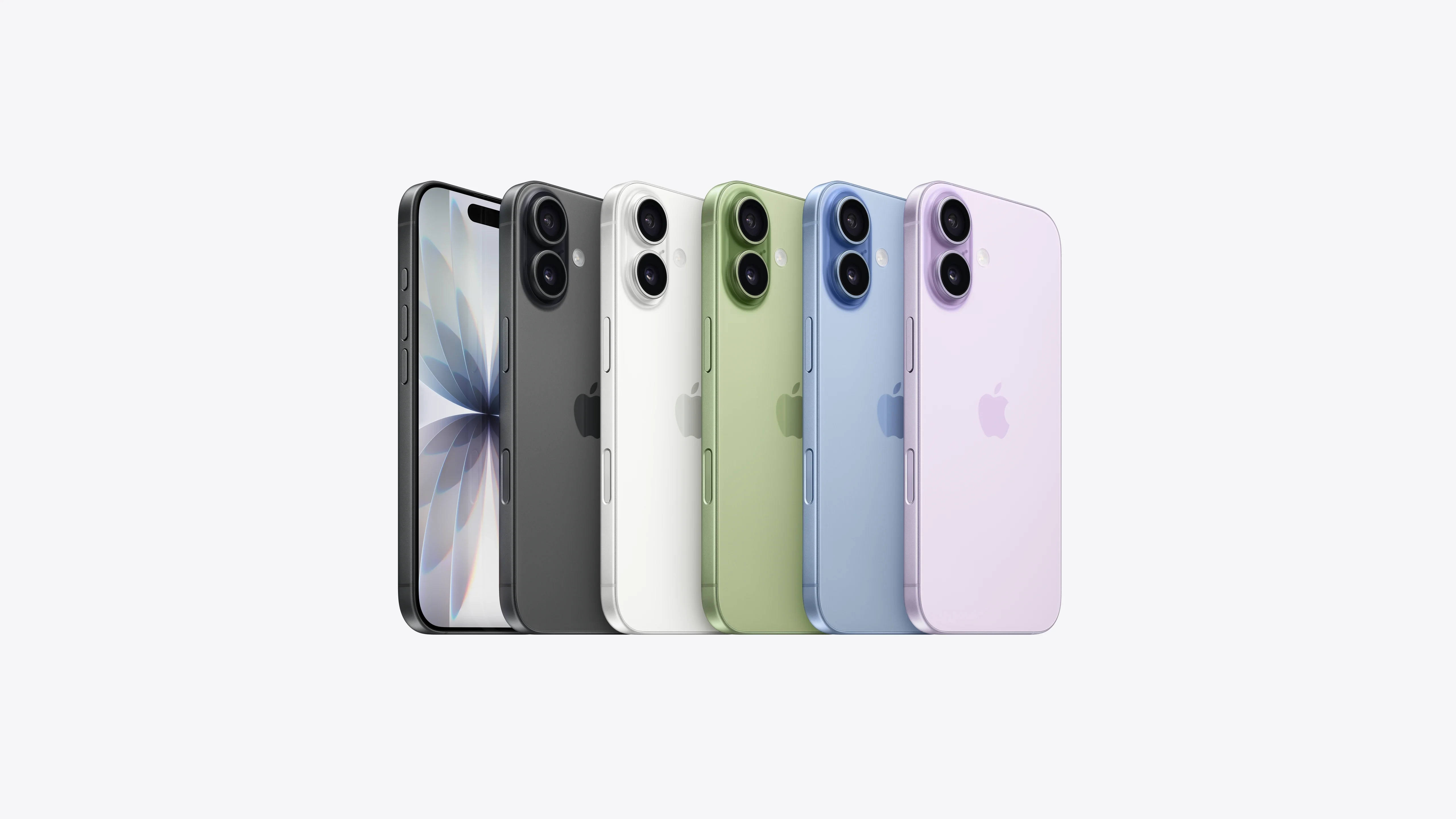
iPhone Air 2 Delayed as Apple Winds Down iPhone Air: What Went Wrong and What’s Next
Apple’s thinnest mainstream iPhone experiment is reportedly running out of runway. After a brief burst of launch excitement, the iPhone Air’s demand cooled quickly, and multiple supply-chain signals now point to Apple winding down production earlier than expected. According to industry reports, one manufacturing partner, Luxshare, has already stopped building the device, while Foxconn is said to be maintaining roughly one-and-a-half assembly lines that are expected to go idle soon. That aligns with veteran analyst Ming-Chi Kuo’s projection that Apple would slash iPhone Air output by around 80%, a rare mid-cycle correction for a flagship-adjacent model.
The retrenchment has immediate consequences for the roadmap. Internally codenamed V62, the iPhone Air 2 was tentatively penciled in for a fall 2026 debut. Now, sources say the project is off the near-term schedule, with fewer engineers actively assigned. Apple has not canceled development outright, but any revival looks distant: the earliest speculative window being spring 2027, when the company is expected to unveil the iPhone 18 family, including a rumored iPhone 18E tier.
Why did the sleek new branch of the lineup stall so fast? The answer appears to be a mismatch between positioning, price, and hardware priorities. The iPhone Air was introduced as the thinnest take on a modern iPhone, a design-forward alternative that traded some components for a razor-slim profile. In practice, those trade-offs cut into perceived value. Buyers quickly noticed the single 48MP rear camera – capable, but limiting compared to dual-camera peers – and a modest 3,149mAh battery that undercut confidence in all-day endurance. When the novelty of thinness faded, these compromises loomed larger, especially at a reported $999 starting price.
Compounding the problem was Apple’s own portfolio. Shoppers weighing an iPhone Air against a $799 iPhone 17 (positioned as the mainstream default in the same rumors) could see an extra rear camera and a bigger battery for fewer dollars. The Air’s design advantage was undeniable, but the value story was harder to tell at the shelf. Historically, Apple’s four-model strategy hinges on each device owning a clear, defensible lane – Pro for camera and performance, standard for balance, and a fourth that must either be the entry value play or a specialized crowd-pleaser. The Air tried to be the ultra-thin style icon; the market, for now, voted for utility.
Ironically, the rumored specification targets for iPhone Air 2 seemed tailored to fix those pain points. Reports pointed to a lighter chassis with a bigger battery, a dual-camera system, and a vapor chamber thermal solution similar to what’s used in the iPhone 17 Pro – a move that could sustain performance while preserving a slim frame. A visual refresh was also said to be on the table. In other words, Apple knew what the sequel needed to win back hesitant buyers. But with first-gen demand lagging and production already trimmed to 10–15% of overall iPhone capacity at launch (and then cut further), pushing a follow-up without a sharpened market pitch would be an expensive gamble.
So what happens next? Two scenarios stand out. In the first, Apple euthanizes the Air concept and redistributes its design innovations – materials, internal architecture, thermal tricks – into the mainstream and Pro lines. That’s not unprecedented; Apple often incubates ideas in one model before normalizing them elsewhere. In the second scenario, Apple re-introduces the Air as a properly tiered third model that slots below the standard iPhone, not above it. At a lower price, the Air’s minimalism becomes a feature, not a flaw, and the thinner build can shine without competing head-on with multi-camera endurance champs.
Pricing, in particular, will decide the Air’s fate. At $999, thinness alone doesn’t carry the narrative against devices offering more lenses, bigger batteries, and near-Pro performance. Reframed at a friendlier price, with the rumored dual cameras and larger battery, an Air 2 could be the elegant everyday iPhone – the one that feels featherlight without feeling like a compromise. That repositioning would also clarify Apple’s four-phone ladder: Pro Max for the enthusiasts, Pro for creators, standard for the crowd, and Air for design-first users who want sheer lightness and a clean feature set.
For now, though, the message out of Cupertino’s orbit is caution. The project lives, but on a dimmer switch. Suppliers are stepping back, engineering resources have shifted, and the calendar has slipped from 2026 to, optimistically, 2027. If – and only if – Apple can pair a thinner profile with the core features buyers consider non-negotiable (two good cameras, reliable battery life, steady thermals) and a more approachable price, the iPhone Air 2 might yet earn its place. Until then, the thinnest iPhone is an idea in search of a market, not a line in need of a sequel.
Bottom line: Apple is rethinking the role of its fourth model. The iPhone Air showed there’s appetite for thinness – but not at the expense of value. If the Air returns, expect it to be lighter, longer-lasting, and – crucially – priced to fit the ladder.
1 comment
Spring 2027? By then it’s just iPhone 18 era anyway