All signs point to Microsoft blurring the line between PC and console in its next Xbox. We still don’t have official hardware specs or an on-sale date, but the latest Xbox Game Development Kit (GDK) – the October 2025 update – looks like a blueprint for a PC-console hybrid ecosystem. The headline additions aren’t flashy graphics demos; they’re connective tissue: shared saves, cross-platform invites, streamlined packaging, and unified input. 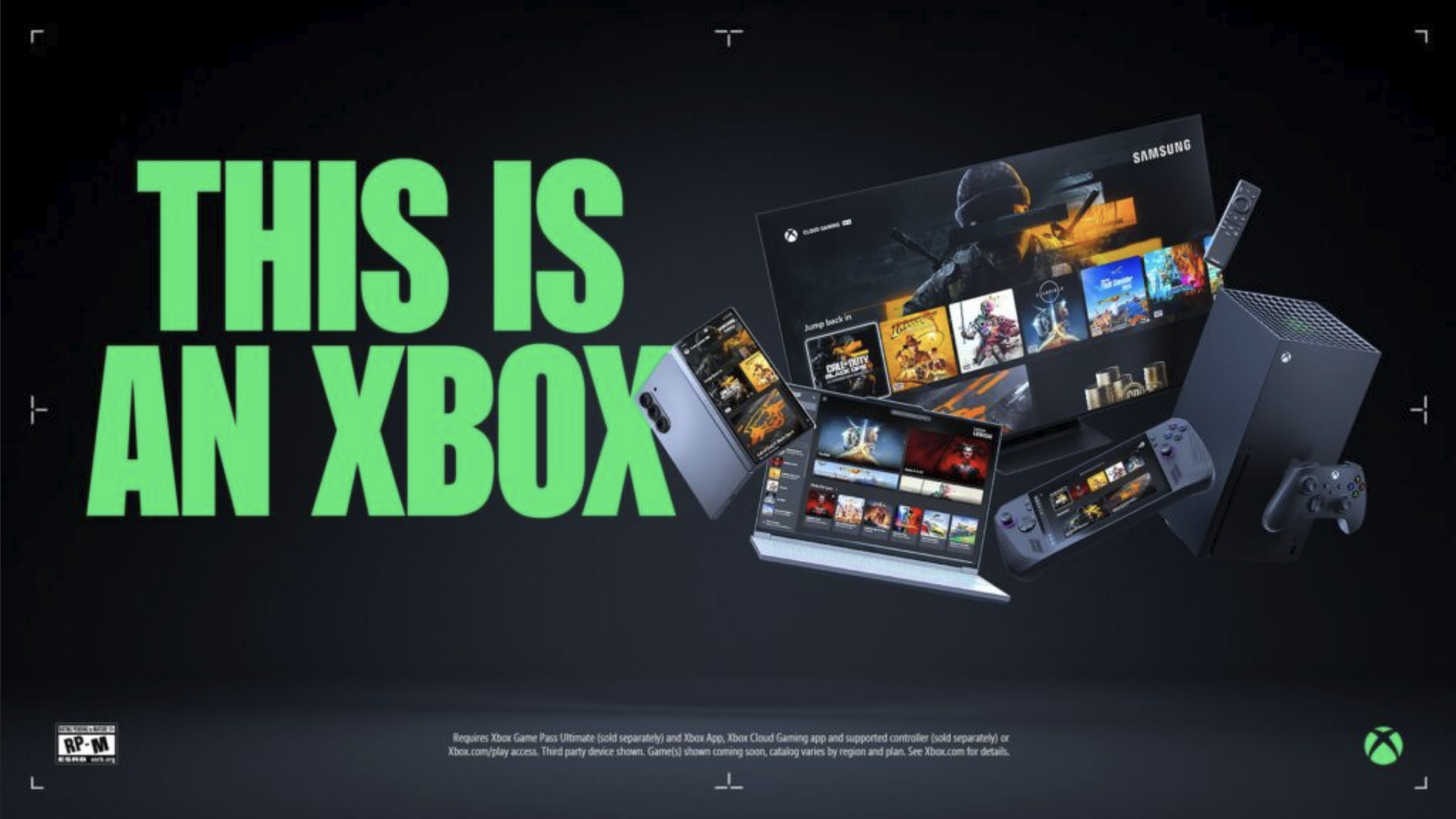
Put together, they describe a future where your library, progress, and friends list follow you from a living-room console to a Windows desktop and even to handheld PCs.
What’s new in the October 2025 Xbox GDK
The update video for this GDK drop highlights several features that matter less to marketing slicks and more to real players and busy dev teams.
- PlayFab Game Saves: Think of it as a platform-level bridge for progression. Rather than every studio rolling its own cloud-save solution, PlayFab now enables save data to be accessed between Xbox and Steam, with more storefronts slated for inclusion. It’s effectively an expansion of traditional Xbox Cloud Saves to recognize that players don’t live on a single launcher anymore. The practical upside: pick up a campaign on PC after a night on console without juggling third-party account links or hoping a custom backend hasn’t gone offline.
- Xbox Game Package Manager: This is the grease that makes Xbox Play Anywhere less of a promise and more of a pipeline. It standardizes how developers prep builds, entitlements, and content across console, PC, cloud, and emerging PC handhelds. Instead of parallel processes that diverge and drift, studios can maintain one packaging flow that targets multiple surfaces – the way modern CI/CD works for software, now applied to games.
- Cross-Platform Gaming Runtime: Social features are finally getting platform-agnostic glue. With the runtime in place, developers can enable players on other platforms – like Steam on PC – to send and receive Xbox invites. Party up with your Xbox friends from a non-Xbox client, and keep the friction low. The deeper implication: Xbox services are being treated like a network layer that rides alongside whatever storefront you happen to be using.
- GameInput with PC parity: One input abstraction for controllers, keyboard, and mouse, designed to behave consistently across console and Windows. That reduces edge cases, weird input maps, and “works-on-PC-but-not-on-console” bugs. For players, it means better support for mixed setups; for devs, fewer code paths to test and maintain.
Why this screams “PC-console hybrid”
None of these features, in isolation, declares a radical new box. Together, they strongly suggest Microsoft is engineering the experience first and letting hardware become just one of several endpoints. PlayFab Game Saves treats platform boundaries as temporary; Cross-Platform Gaming Runtime treats the Xbox social graph as a service that reaches beyond the console; Package Manager and Play Anywhere suggest a deployment model where the same purchase – or at least the same identity – unlocks play on console, desktop, cloud, and handheld PCs like the ROG Ally. Even input is being unified so the same game feels predictable whether you’re on a couch controller or a desk with a mouse.
If the next Xbox boots into a console-simple interface while quietly leaning on Windows-friendly components under the hood, this GDK lays the groundwork. You keep the plug-and-play reliability and “it just works” updates of a console, while enjoying the portability and openness PC players expect. Libraries from multiple launchers, shared progression, and cross-platform invites only make sense if Microsoft anticipates your next Xbox will coexist – even overlap – with your PC life.
What developers gain right now
For studios, these are productivity features as much as player perks. A shared packaging pipeline shrinks release engineering overhead. Unified input reduces QA matrices. A first-party save bridge lowers customer-support tickets about lost progress and account linking. Cross-platform invites cut social friction and lift engagement. The net effect: more time on content and performance, less on plumbing.
Potential hurdles to watch
Cross-launcher saves raise thorny questions: which version wins in a conflict, and how are modded PC saves handled? Anti-cheat and entitlement checks must be robust when identities roam. And while unified input is welcome, games will still need careful UX to avoid burying players in binding menus. None of these are deal-breakers, but they demand platform-level guardrails – exactly the kind a GDK can provide.
Where this could go next
Expect broader storefront support beyond Steam, deeper integration with cloud streaming for instant resume, and a more explicit handheld-friendly mode that trims power use while preserving social and save features. If Microsoft’s hardware roadmap includes a console that looks comfortable docking beside a desktop GPU or travelling in a backpack, the software stack is getting ready for it.
Bottom line: The October 2025 Xbox GDK doesn’t announce the next console, but it paints a clear silhouette. By prioritizing portability of progress, social interoperability, lean packaging, and input parity, Microsoft is building toward a world where the next-gen Xbox behaves like a console when you want simplicity – and like a PC when you want freedom.