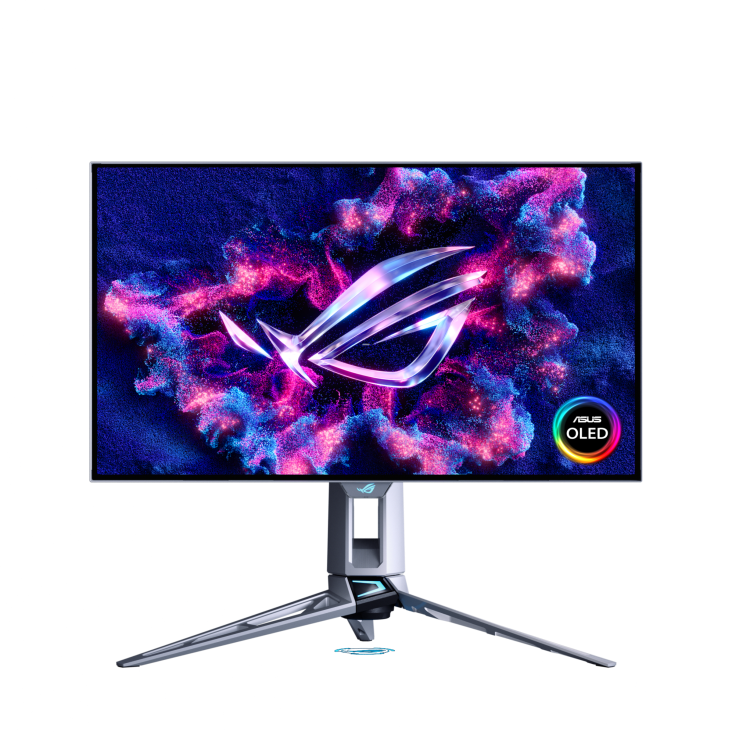
ASUS brings LG’s RGB Tandem OLED to gaming monitors – and debuts the world’s first 720Hz display
ASUS has kicked off a new phase for competitive displays by shipping its first gaming monitors built around LG’s RGB Tandem OLED tech. The headline act is the ROG Swift OLED PG27AQWP-W, a 27-inch speed demon that offers a dual-mode refresh configuration: 540Hz at 2560×1440 for high-resolution esports and an outrageous 720Hz at 1280×720 when every millisecond counts. Alongside it comes the more attainable ROG Strix OLED XG27AQWMG, which pairs the same next-gen OLED panel concept with a still-elite 280Hz at 1440p.
What “RGB Tandem OLED” means for brightness and clarity
Traditional OLED monitors rely on a single stack of organic emitters per subpixel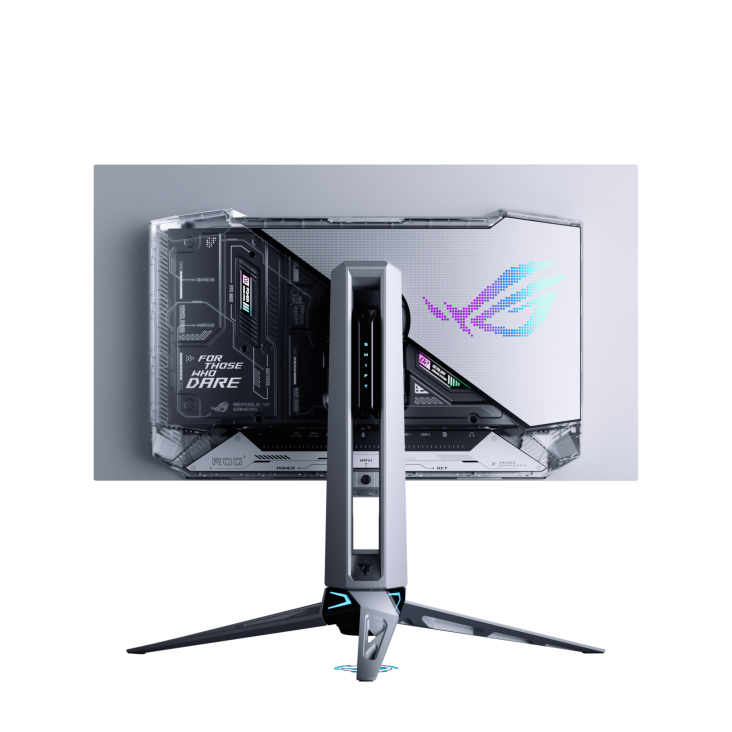
. LG’s RGB Tandem OLED uses a multi-emitter stack (four emission layers for each of the Red, Green and Blue subpixels), effectively multiplying light output while distributing electrical load. The practical upside is familiar to OLED TV fans: higher peak brightness, improved sustained luminance, and potentially better longevity under static UI elements. For creators and competitive players, that translates into punchier highlights, fewer aggressive ABL (auto-brightness limiter) dips during bright scenes, and cleaner fine detail.
Both ASUS models arrive with a glossy surface – a choice enthusiasts have been asking for because it preserves perceived contrast and avoids the hazy look of heavy anti-glare coatings. ASUS rates color coverage at 99.5% DCI-P3 and 135% sRGB, with Delta E < 2 factory calibration targets. Peak HDR brightness is listed at 1500 nits, while SDR brightness isn’t specified; based on panel behavior, expect something in the ~300–350-nit range for desktop use.
ROG Swift OLED PG27AQWP-W: speed without apology
The flagship PG27AQWP-W is the fastest OLED gaming monitor on the market today. 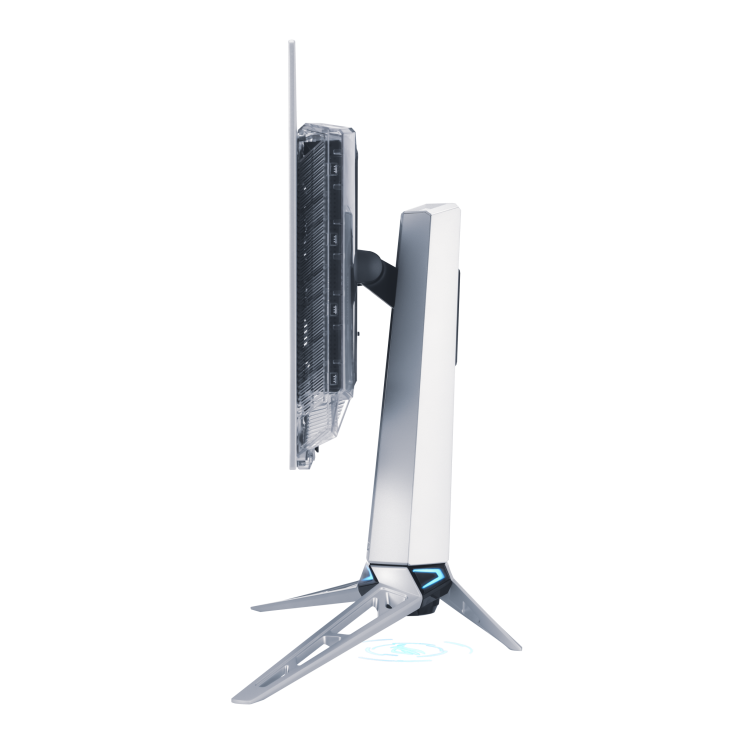
Its dual-mode design lets you choose how to allocate performance headroom: run at 540Hz in 1440p when you want resolution and clarity, or switch to 720Hz in 720p for the lowest possible latency and the cleanest sample-and-hold motion you can currently get from a consumer panel. Competitive titles that already scale down to simplified settings for maximum FPS (think arena shooters, MOBAs, and rhythm games) are natural beneficiaries.
- Panel: 27-inch LG RGB Tandem OLED, glossy
- Refresh/Resolution: 540Hz @ 2560×1440 or 720Hz @ 1280×720
- Color: 99.5% DCI-P3, 135% sRGB, Delta E < 2
- Brightness: up to 1500-nit peak HDR (SDR not listed)
- Ports: HDMI 2.1, DisplayPort 2.1 UHBR20, plus USB-A for peripherals
- Alias: launched in China earlier as “ROG Super Kill 27 Pro” with full global specs now published
There’s an obvious trade-off in the 720Hz mode: 720p is soft by modern desktop standards. But for esports purists chasing the absolute minimum perceived blur and input latency – and already running low-detail presets – the option is meaningful.
ROG Strix OLED XG27AQWMG: 1440p at 280Hz for the many
The XG27AQWMG targets a broader audience: it keeps the Tandem OLED advantages and glossy finish but caps out at a very healthy 280Hz at 1440p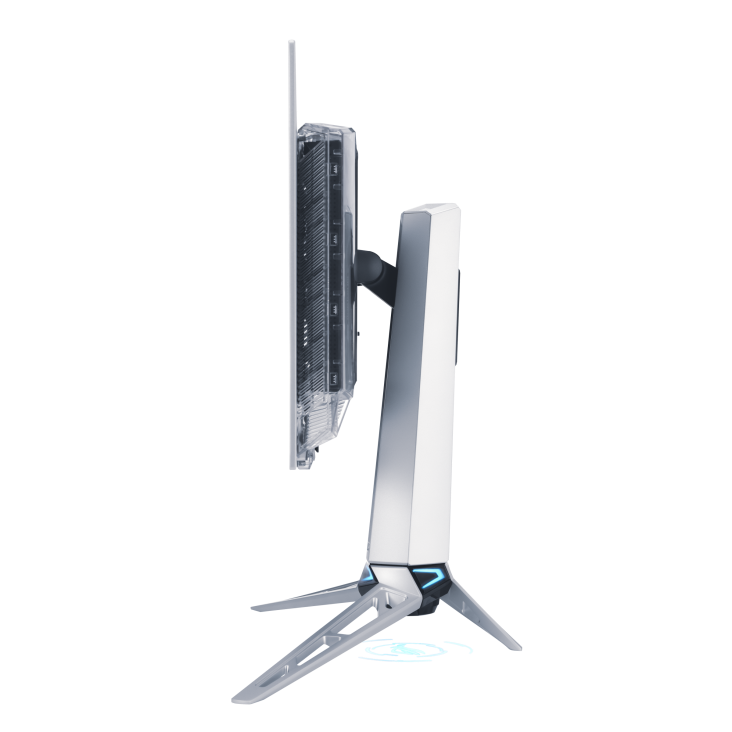
. That’s enough headroom for pro-level play in most games while preserving the pixel density and crispness that make day-to-day desktop work comfortable.
- Panel: 27-inch LG RGB Tandem OLED, glossy
- Refresh/Resolution: 280Hz @ 2560×1440
- Color & HDR: same wide-gamut targets and 1500-nit HDR peak
- Ports: DisplayPort 1.4 (not DP 2.1), plus USB-A; a step down versus the flagship’s cutting-edge link options
If you value plug-and-play simplicity with today’s GPUs and want the OLED “wow” factor without chasing a four-figure graphics pipeline, this is the sane sweet spot.
Pricing, positioning, and the LG twist
ASUS hasn’t finalized street pricing yet. 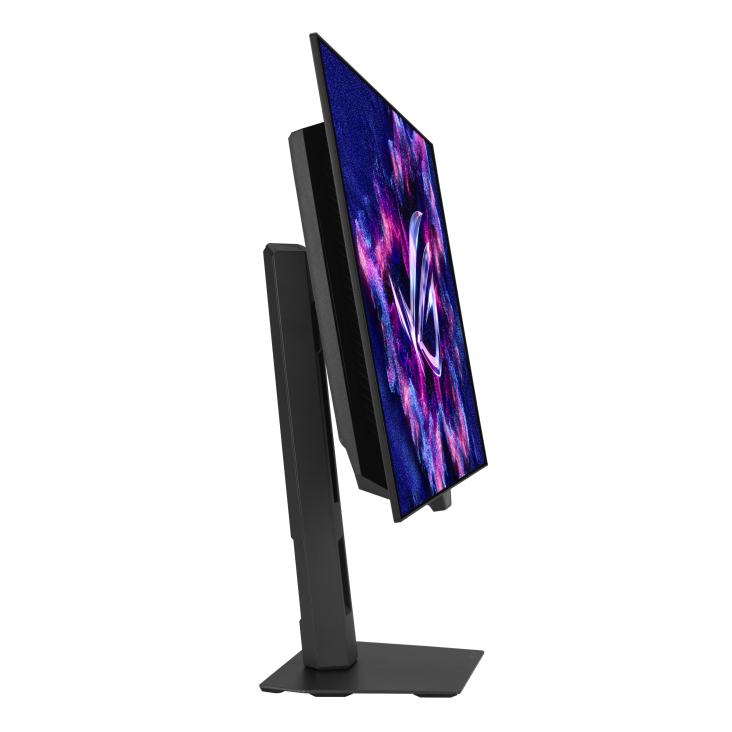
Prior reporting pegs the flagship around $1100, which aligns with what we’ve seen from premium high-refresh OLEDs. What’s fascinating is who shipped first: enthusiasts have noticed that ASUS is debuting LG’s latest monitor-class OLED tech – features TV watchers associate with LG’s G-series such as ultra-deep glossy blacks and a multi-stack RGB emitter – before LG’s own PC monitors. Panel by LG Display, integration by ASUS; the result is a genuinely new class of speed-plus-brightness OLEDs for desks, not living rooms.
Who should buy which?
- Aim for PG27AQWP-W if you’re an esports-first player willing to toggle to 720p for 720Hz in certain titles, and you want DP 2.1 UHBR20 for next-gen bandwidth.
- Pick XG27AQWMG if you want a simpler, more affordable OLED that still delivers top-tier motion at 1440p/280Hz and you can live with DP 1.4.
Either way, you’re getting the core benefits of OLED – instantaneous pixel transitions, perfect blacks, and superb HDR highlights – now paired with meaningful boosts to brightness and sustained luminance courtesy of the Tandem stack. ASUS’s glossy finish seals the deal for users who prefer maximum contrast and color pop in controlled lighting.
Bottom line: these are not incremental spec bumps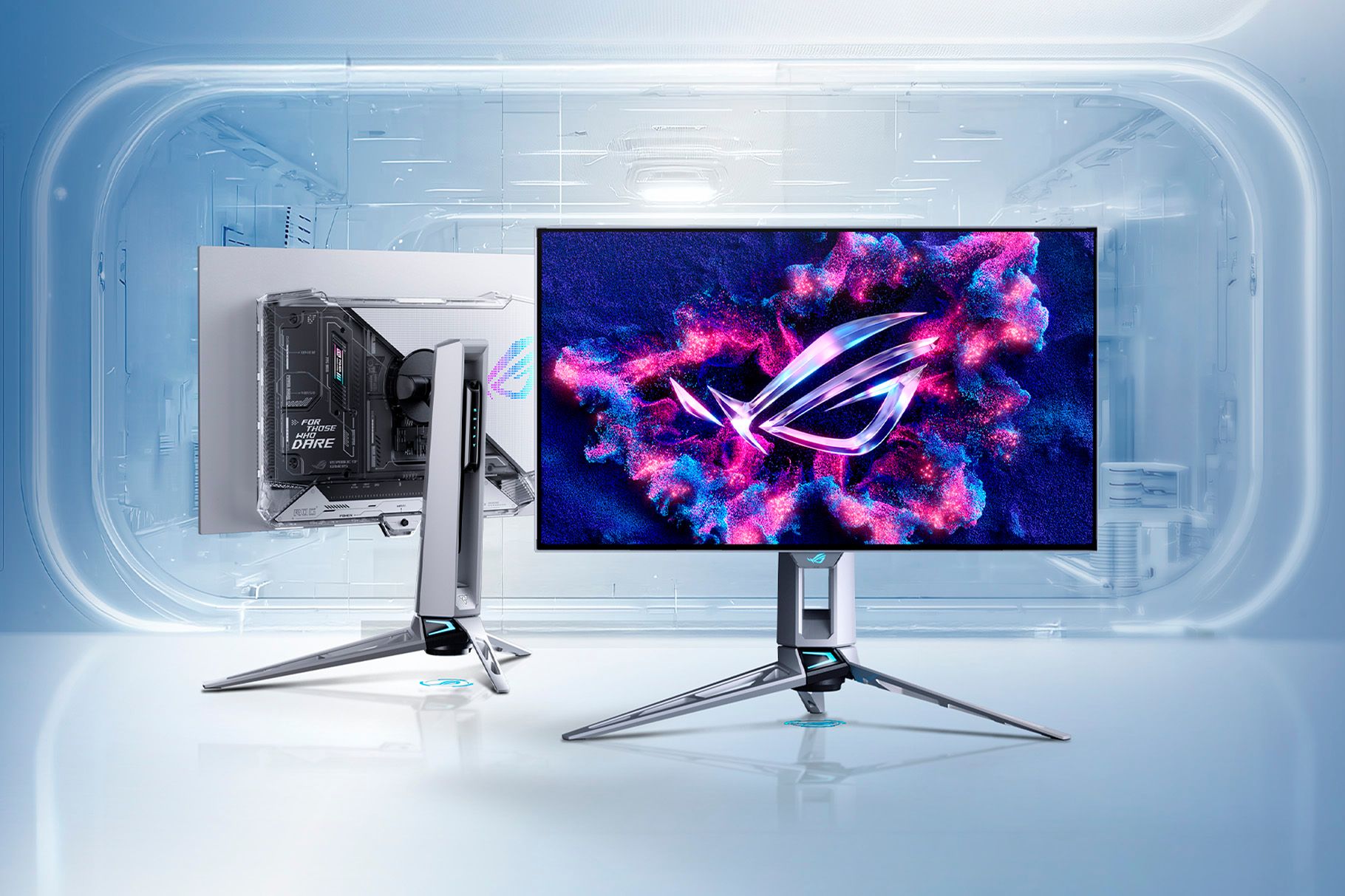
. By marrying unprecedented refresh rates with LG’s multi-emitter OLED architecture, ASUS has reset what “fast” and “bright” can mean on a 27-inch gaming monitor.