
AYANEO NEXT 2: Ryzen AI Max+ 395 Power Lands in a Sleek Windows Handheld
AYANEO has finally lifted the curtain on the NEXT 2, a Windows handheld aimed squarely at players who want PC-grade performance without a backpack full of compromises. The headline is simple: this is AYANEO’s Strix Halo–class entry built around AMD’s Ryzen AI Max+ 395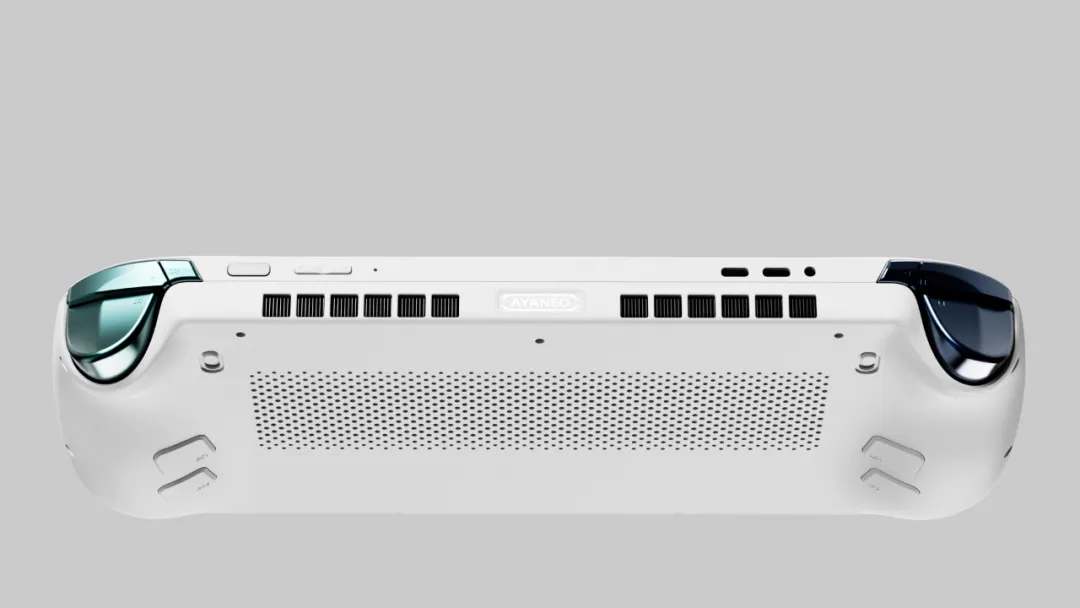
. The details, however, are more nuanced – and in some areas, still under wraps.
What’s confirmed: the silicon and the control DNA
At the heart of NEXT 2 is AMD’s Ryzen AI Max+ 395, a 16-core/32-thread Zen 5 mobile APU paired with an RDNA 3.5 Radeon 8060S iGPU. On paper, that iGPU is the fastest in the mainstream handheld segment and is pitched as approaching GeForce RTX 4060–class performance in many scenarios – serious headroom for modern titles if paired with sensible power limits and cooling. AYANEO has also shown a lot of love to input: dual-mode triggers let you flick between hair-trigger behavior and precise Hall-effect analog control, while the company’s large “TMR” joysticks are designed to enhance accuracy and longevity. The layout is classic Xbox – ABXY cluster, a circular D-pad, and dedicated utility buttons – so you’ll be at home the moment you boot into Windows.
The screen, battery, and thermals: big promises, few numbers
AYANEO calls the display “top-tier,” but is holding back the hard facts for now – no size, resolution, panel type, or refresh rate yet. In a market where high-refresh IPS and OLED panels are redefining expectations, that omission is notable. Early imagery suggests tight bezels and a premium fit, but we’ll reserve judgment until the specs land.
Powering everything is an “extra-large” built-in battery. Unlike GPD’s Win 5, which embraces a removable pack, AYANEO is betting on a sealed design – typically a win for rigidity and internal volume, but a trade-off for field-swaps. Keeping the 395 cool is a dual-fan thermal module, a logical step given the APU’s potential. If AYANEO dials the fan curves and heatpipe mass correctly, the NEXT 2 could avoid the throttling spikes that plague thin handhelds.
Positioning against rivals – and lessons from the community
With GPD and OneXPlayer already shipping Ryzen AI Max+ 395 flagships, the NEXT 2 becomes the third serious Windows handheld to leverage this silicon tier. That means AYANEO isn’t just racing specs; it’s racing expectations. The community has been vocal: detachable controllers that double as a mouse on some rivals have genuinely surprised users in FPS mode, while big, high-quality displays are becoming the new baseline. At the same time, buyers are tired of half-baked software layers that drop settings between reboots or conflict with Windows’ own controller mappings. If AYANEO nails its launcher, input profiles, and power-plan handoff, it can turn those pain points into a selling point.
Memory, storage, and configurations: reading the room
AYANEO hasn’t published RAM or storage options yet. Look across the aisle and you’ll notice that 32 GB of LPDDR and 1 TB NVMe have become the “don’t embarrass yourself” starting point for premium handhelds. It would be surprising if AYANEO started lower. Expandability, SSD accessibility, and microSD behavior under sustained heat will matter just as much as raw capacity, especially for players juggling massive game libraries.
Price and availability: premium signals
Pricing and launch timing remain unannounced, but the signals suggest another premium entry. Given component costs and where direct competitors have landed, expect an MSRP north of $1,500 for higher-end trims. Whether AYANEO introduces a more affordable base configuration – or simply differentiates with display and storage tiers – will determine how broad the NEXT 2’s appeal becomes.
What we still need to know
- Display specifics: exact size, resolution, panel tech, refresh rate, peak brightness, and color coverage.
- Battery metrics: watt-hours, charge speed, and real-world game time at common TDPs.
- Thermal behavior: sustained clocks, noise profiles, and surface temperatures under RDNA 3.5 loads.
- Software stack: profile persistence, input mapping, and how AYANEO’s utilities cooperate with Windows and Steam.
- Configs: RAM speed/capacity, storage options, and whether user upgrades are painless.
Bottom line
AYANEO’s NEXT 2 reads like a thoughtful fusion of brute-force APU horsepower and enthusiast-grade controls. If the “top-tier” screen lives up to its billing and the dual-fan design keeps the 395 purring without a jet-engine soundtrack, this could be a serious contender in the halo handheld tier. But the final verdict hinges on the blanks AYANEO still needs to fill – display numbers, battery endurance, software polish, and price. In a maturing market where rivals have wowed with clever controller tricks and premium build quality, consistency may be the true killer feature. Deliver that, and the NEXT 2 won’t just keep up – it could set the pace.
3 comments
Hall-effect triggers + big sticks are the move. Drift is the devil
Non-removable battery? Meh. I liked the GPD swap option for long trips
Nice reveal but give us panel specs already. Resolution and refresh decide my wallet