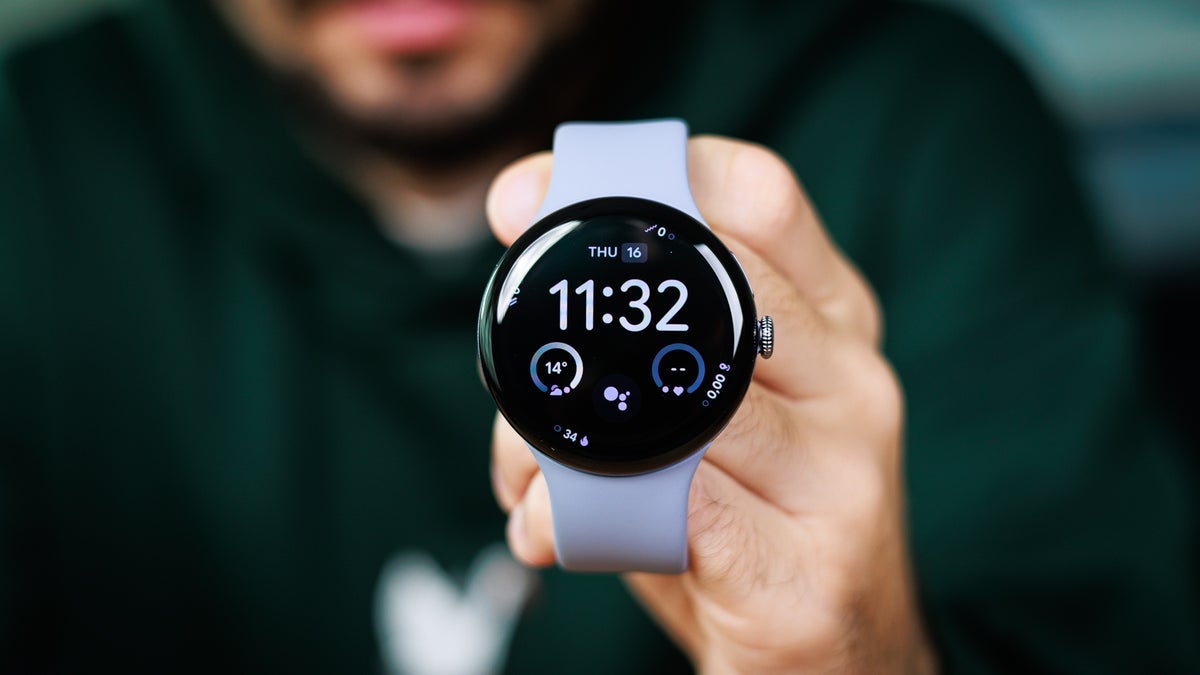
Fitbit Labs is quietly building early-warning health signals for your wrist
Google is expanding its Fitbit Labs program with two experimental capabilities designed to surface early health warnings before you might notice them yourself. The initiatives – Hypertension Study Lab and Unusual Trend Detection – aim to turn everyday smartwatch data into practical alerts and guided suggestions. While these are not medical features and won’t replace a clinician, they point to a future where your watch can nudge you when something looks off and help you capture context so you and your doctor can make sense of it.
What is Fitbit Labs, exactly?
Fitbit Labs is Google’s opt-in testing ground for features that are not yet productized. Participants agree to share relevant metrics and feedback so Google can evaluate accuracy, usefulness, and reliability. Because these projects are research in nature, availability is limited, requirements are specific, and the experience may change or end at any time. In return, early adopters get a glimpse of cutting-edge ideas that could shape the next generation of health tools on Wear OS and Pixel Watch.
Hypertension Study Lab: looking for signs of high blood pressure risk
The Hypertension Study Lab uses data captured by the Google Pixel Watch to explore whether wearables can help identify patterns associated with hypertension. The study currently targets owners of the Pixel Watch 3 in the United States. Google is recruiting up to 10,000 eligible participants who will wear their watch as they normally would for 180 days. The aim is to analyze everyday signals and see if the watch can flag patterns that may correlate with elevated blood pressure risk.
A subset of participants may receive an Ambulatory Blood Pressure Monitoring (ABPM) cuff to wear for 24 hours. That device provides a clinical-style reference point – intermittent, real-world blood pressure readings throughout a day and night – so researchers can compare smartwatch patterns with traditional measurements. After returning the loaned cuff, those selected participants are offered a modest incentive (a $25 gift card) for their time.
Because the study captures more data than usual, Google notes there may be a slight, temporary impact on battery life. Even so, the company says participants should still expect a full day on a single charge. Enrollment is handled in the Fitbit app on Android: open the Fitbit Labs section, review eligibility, and follow the instructions.
It’s important to underline what this study is not. It is not blood pressure monitoring on your wrist. Rather, it investigates whether wearable signals can support risk notifications – alerts suggesting you might be experiencing hypertension and should consider follow-up. Any such notifications, if they eventually ship, would be informational and not a diagnosis or a replacement for a medical device.
Unusual Trend Detection: a heads-up when your baseline shifts
The second experiment is a proactive signal that watches your typical patterns across key health metrics and lets you know when something looks meaningfully different. If the system detects a notable deviation – say your resting heart rate trends higher than normal or your recovery scores slump – it can send a heads-up, prompt you to log possible causes or symptoms, and offer tips for rest and recovery. Just as importantly, it will notify you when your numbers appear to be returning to your usual baseline, closing the loop so you aren’t left guessing.
The value here is the combination of context and timing. It’s much easier to connect the dots between a rough night’s sleep, a stressful week, a new workout block, or seasonal bugs when you capture notes as the change happens. Over time, those cause-and-effect breadcrumbs can help you understand what tends to throw your body off – and what brings it back.
How Google’s approach compares to Apple and Samsung
Apple introduced hypertension notifications this year for Apple Watch Series 9, Apple Watch Ultra 2, and later models. After you set it up, the system builds a 30-day baseline and can then alert you if it suspects you may be experiencing hypertension. Apple’s feature is also not blood pressure measurement – it’s a pattern-based notification.
Samsung, by contrast, offers blood pressure monitoring on select Galaxy Watch models, but it requires periodic calibration with a traditional cuff. Even then, results are framed as wellness information and not a substitute for clinical devices. Across the industry, the message is consistent: smartwatches can provide helpful signals, but they are not medical devices.
Why early warnings matter (with the right expectations)
Hypertension is often called a “silent” condition because many people don’t notice symptoms until blood pressure is persistently high. That’s why an early nudge – “something looks different; consider checking in” – can be valuable. If a watch suggests you might be trending in the wrong direction, you can take practical steps: reduce intensity, focus on sleep, manage stress, and consult a healthcare professional when appropriate.
Still, wearables have limits. Sensors infer, algorithms estimate, and human context matters. Use these signals as a starting point, not a verdict. If you feel unwell or have concerns, seek qualified care. Treat smartwatch notifications as advisory prompts that help you pay attention.
Participation details at a glance
- Availability: United States, opt-in via the Fitbit Labs page on Android.
- Devices: Hypertension Study Lab currently targets Pixel Watch 3.
- Duration: Wear your watch as usual for 180 days.
- Extras: Some participants may receive a 24-hour ABPM cuff for reference measurements; a $25 gift card is offered upon return.
- Battery: Possible minor, temporary impact; should still last a full day per charge.
- Outcome: Research only; not diagnostic. Future notifications, if any, would be informational.
The bigger picture for Pixel Watch owners
For Pixel Watch users, these Labs projects hint at where Google wants to go: personalized, context-aware guidance built on longitudinal trends rather than single snapshots. If Unusual Trend Detection becomes a staple feature, your watch could act like a gentle guardrail – alerting you when you drift from your norm and letting you annotate what was happening in life at that moment.
Meanwhile, the Hypertension Study Lab explores whether those same streams of everyday data can reliably flag potential risk for a serious, common condition. Even a carefully worded notification can be meaningful if it prompts you to check your blood pressure with a validated device or talk to your clinician sooner rather than later.
Bottom line
Google’s expanded Fitbit Labs work doesn’t turn the Pixel Watch into a blood pressure cuff or a medical device – and it doesn’t pretend to. What it does offer is a credible attempt to make trend awareness practical and timely, with guardrails that emphasize context and common sense. If the studies pan out, Pixel Watch owners could see smarter notifications, better recovery guidance, and a tighter feedback loop between how they live and how they feel. For anyone who wants to keep a closer eye on their well-being without obsessing over every data point, that’s a welcome direction.
2 comments
ABPM for 24h sounds annoying but the data would be 🔥
Pixel Watch 3 only? rip my PW2 😭