CD Projekt Red’s next Witcher game is moving forward without fresh input from Andrzej Sapkowski – and that’s not necessarily the red flag some fans fear it is. During a recent appearance to promote Crossroads of Ravens, the Polish author confirmed he hasn’t been asked to contribute new material for what most of us shorthand as The Witcher 4. He added that CDPR rarely reaches out for details these days. That’s a change from earlier entries, where the studio would occasionally check a lore thread or ask for context, but it doesn’t mean the novels stop mattering – or that the relationship has soured.
In fact, Sapkowski described the current contracts as “excellent,” a notable note of détente after a famously lopsided late-1990s deal (a lump sum instead of royalties) snowballed into a 2018 royalties dispute and a 2019 settlement. That reset gave both sides a cleaner runway: the studio retains creative independence while the books remain the bedrock.
What ‘no new Sapkowski’ actually means
CDPR has always adapted rather than transcribed. The Witcher games extend, remix, and reinterpret the book canon with original quests, characters, and timelines, while still aiming to bottle the vinegar-dry humor, moral ambiguity, and lived-in monster ecology that make the Continent feel real. 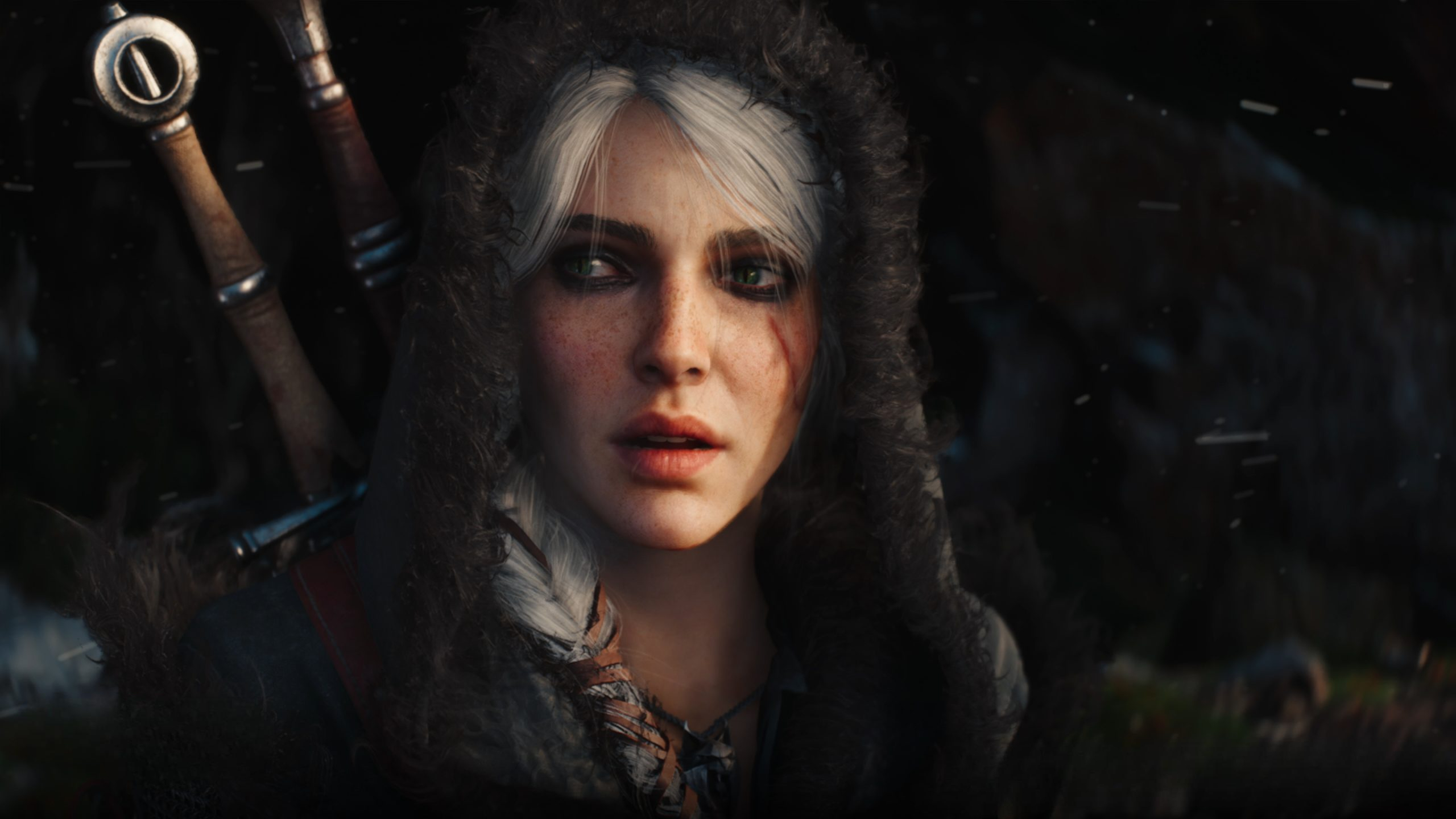
Sapkowski’s confirmation mostly clarifies the process: the team will mine the existing saga – notably threads hinted around Crossroads of Ravens, a prequel-style look at Geralt’s early path – without commissioning fresh authorial scenes or notes.
That approach raises a perennial fandom worry: Will the lore get bent for convenience? History suggests CDPR tends to color inside the lines thematically, even when plotlines diverge. The Witcher 3 wasn’t a verbatim adaptation, but its moral stakes and world logic felt authentically Sapkowskian. Where the studio pushes hardest is in framing – the camera angle on familiar ideas, the agency it grants the player, and how it paces revelations.
The Ciri conversation, again (and why it matters)
Expect renewed debate over Ciri’s role. Some readers bristle at any hint she’ll be positioned like a “gender-swapped Geralt.” It’s worth separating two things. Canonically, female witchers aren’t a thing in Sapkowski’s world, and Ciri never underwent the full mutation trial; her power set and fate are different. Narratively, though, she has always been central – the Child of the Elder Blood whose choices ripple across worlds. Witcher 3 players already experienced this: many endings hinge on Ciri’s growth, not Geralt’s. If CDPR leans further into her importance, that isn’t inherently “wokifying” the IP; it’s acknowledging where the saga itself points.
The creative challenge is less about gender politics than craftsmanship. Can the studio design systems, quests, and companions that express Ciri’s specific strengths and vulnerabilities (mobility, magic, trauma, wit) without flattening her into a reskinned swordsman? Can it show why schools, contracts, and coin logic still matter in a story that may track different power dynamics? If it can, worries about check-the-box representation will fade the moment players lose an hour to an immaculate side quest.
Trust, scars, and expectations
Trust is earned, and CDPR knows it. The spectacular storytelling of Witcher 3 coexists in the public memory with Cyberpunk 2077’s rocky launch and hard-won rehabilitation. That double exposure makes this next Witcher feel like a referendum on the studio’s maturity as much as its imagination. The absence of fresh Sapkowski prose puts the onus on CDPR’s writers’ room, quest designers, and editors to keep the texture of the Continent intact: contracts that start simple and end complicated; monsters that are mirrors; humor that cuts both ways; choices that cost.
Crossroads of Ravens – positioned as a look at Geralt’s earliest forays into the trade – offers useful tonal cues even if no direct scenes are lifted. First hunts are messy, reputations are brittle, and knowledge (potions, bestiary entries, haggling) is the real currency. Those themes translate well into systems design: progression that’s less about raw stats and more about learning the world’s grammar.
So, should fans worry?
Healthy skepticism is fine; fatalism isn’t required. The facts are straightforward: Sapkowski isn’t writing new material for Witcher 4; the legal relationship is stable; the books remain the canon spine; CDPR will continue its adaptation-plus-invention model. The open questions are creative: Who anchors the story? How is power expressed in play? How does the game balance reverence for lore with the surprise that keeps an RPG alive?
If CDPR sticks to its best habits – questlines with moral splinters, monsters that serve themes, and a refusal to tidy up human messes – then the lack of fresh authorial notes won’t be the make-or-break. The Continent has always been bigger than any one witcher, and the studio’s task is to prove, again, that it knows how to guide us through it.
1 comment
CDPR gonna do whatever, lore be damned. After Cyberpunk’s launch I’m not buying the hype again, sry